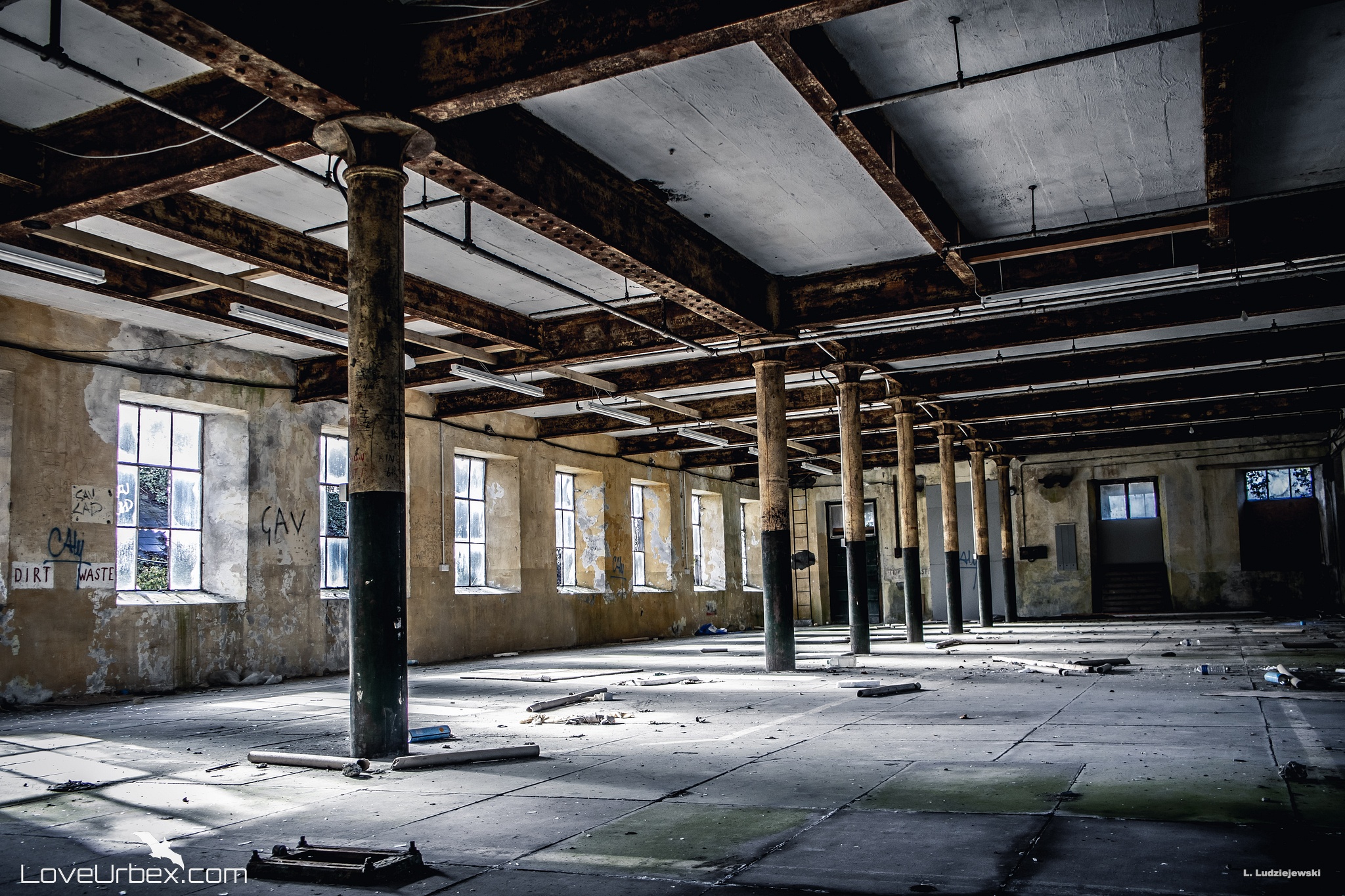
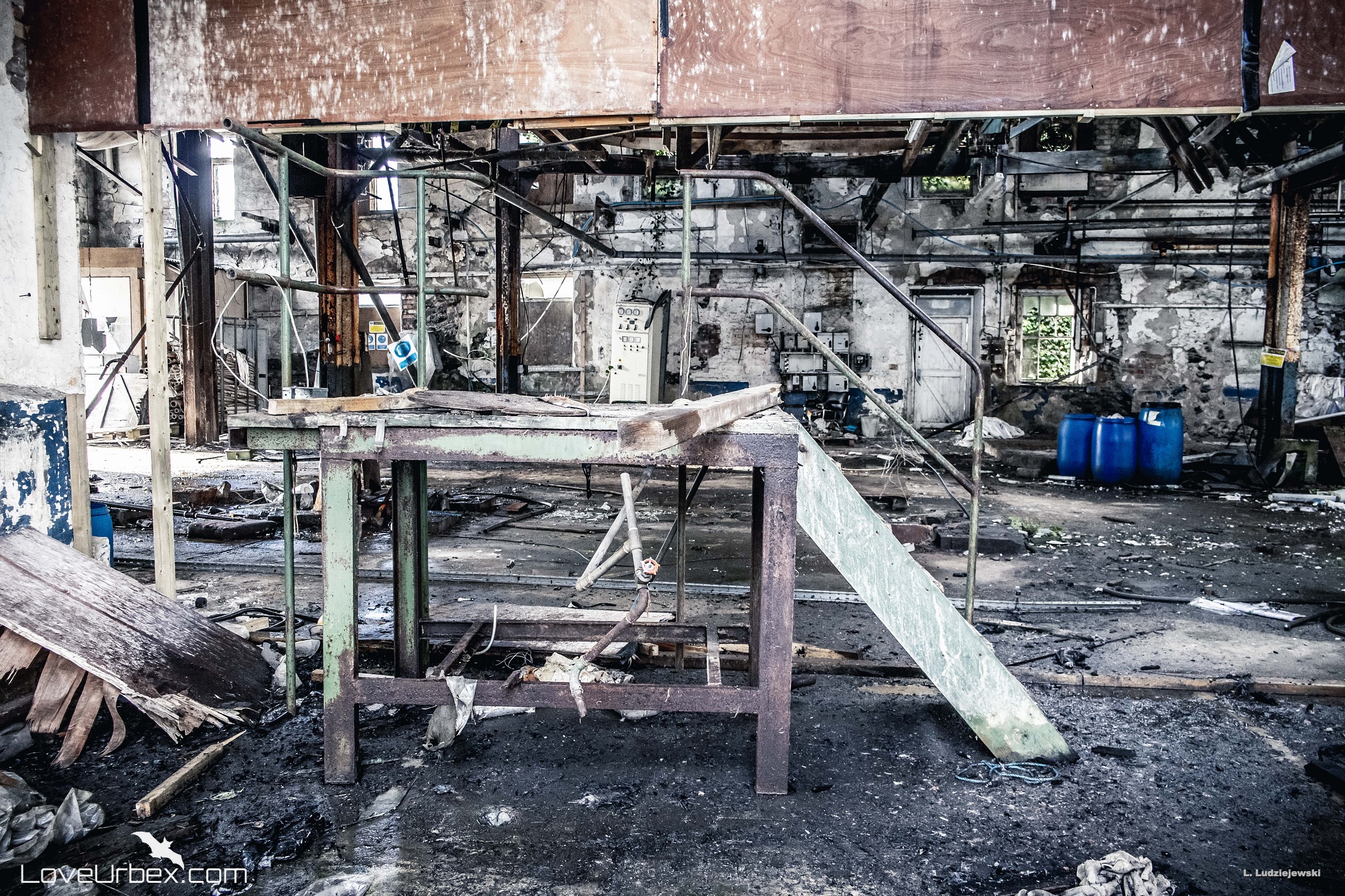
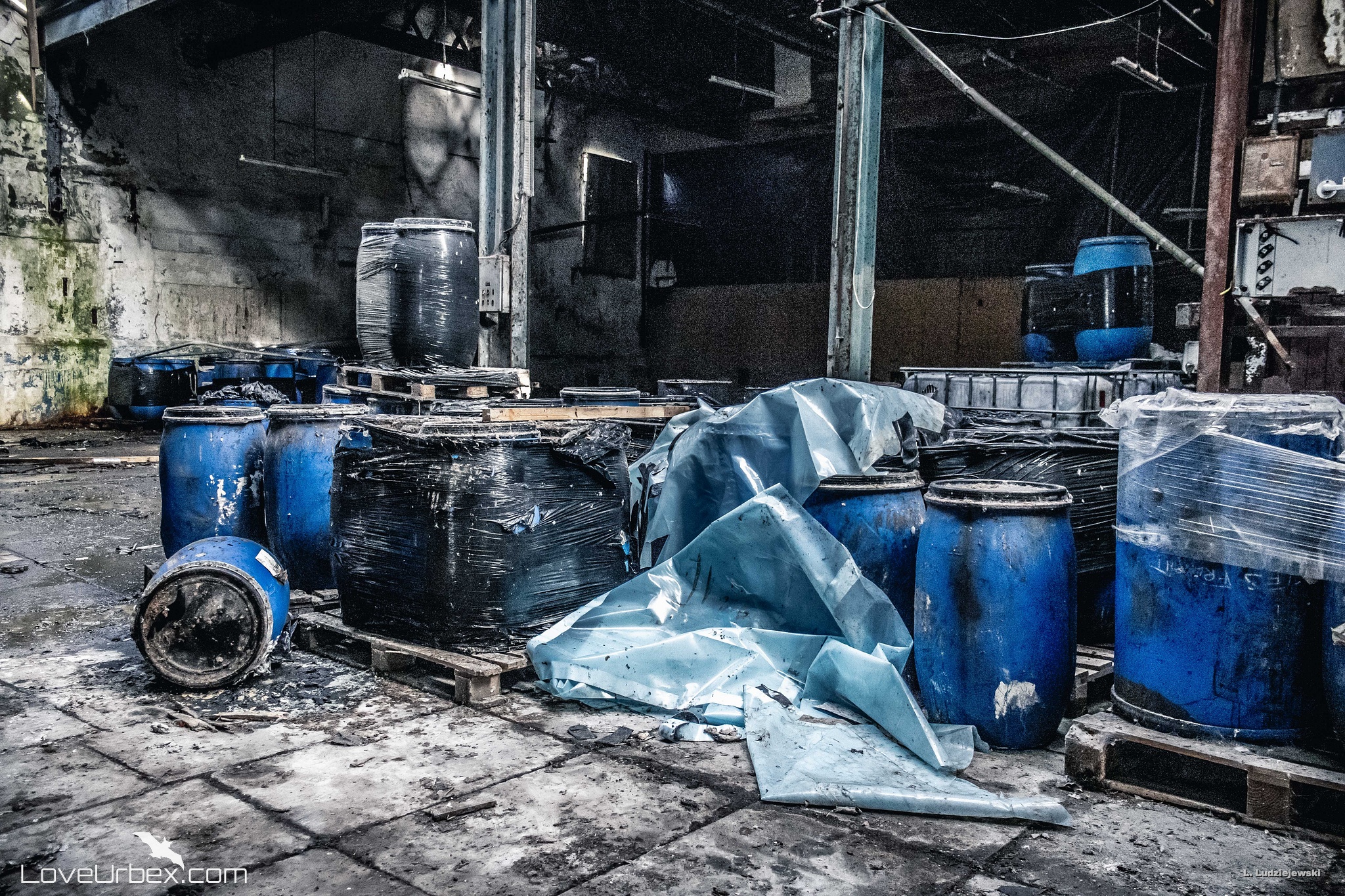
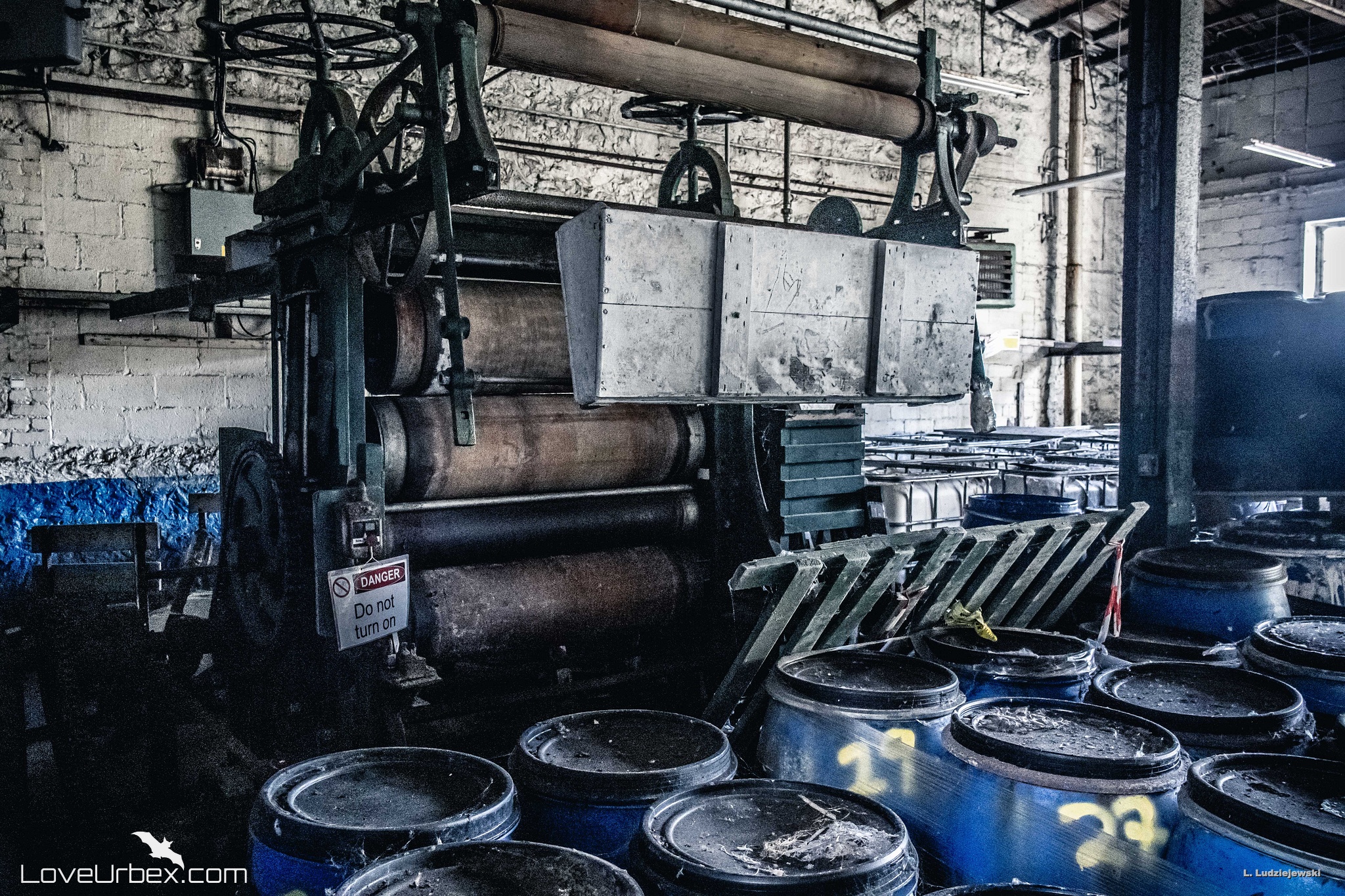
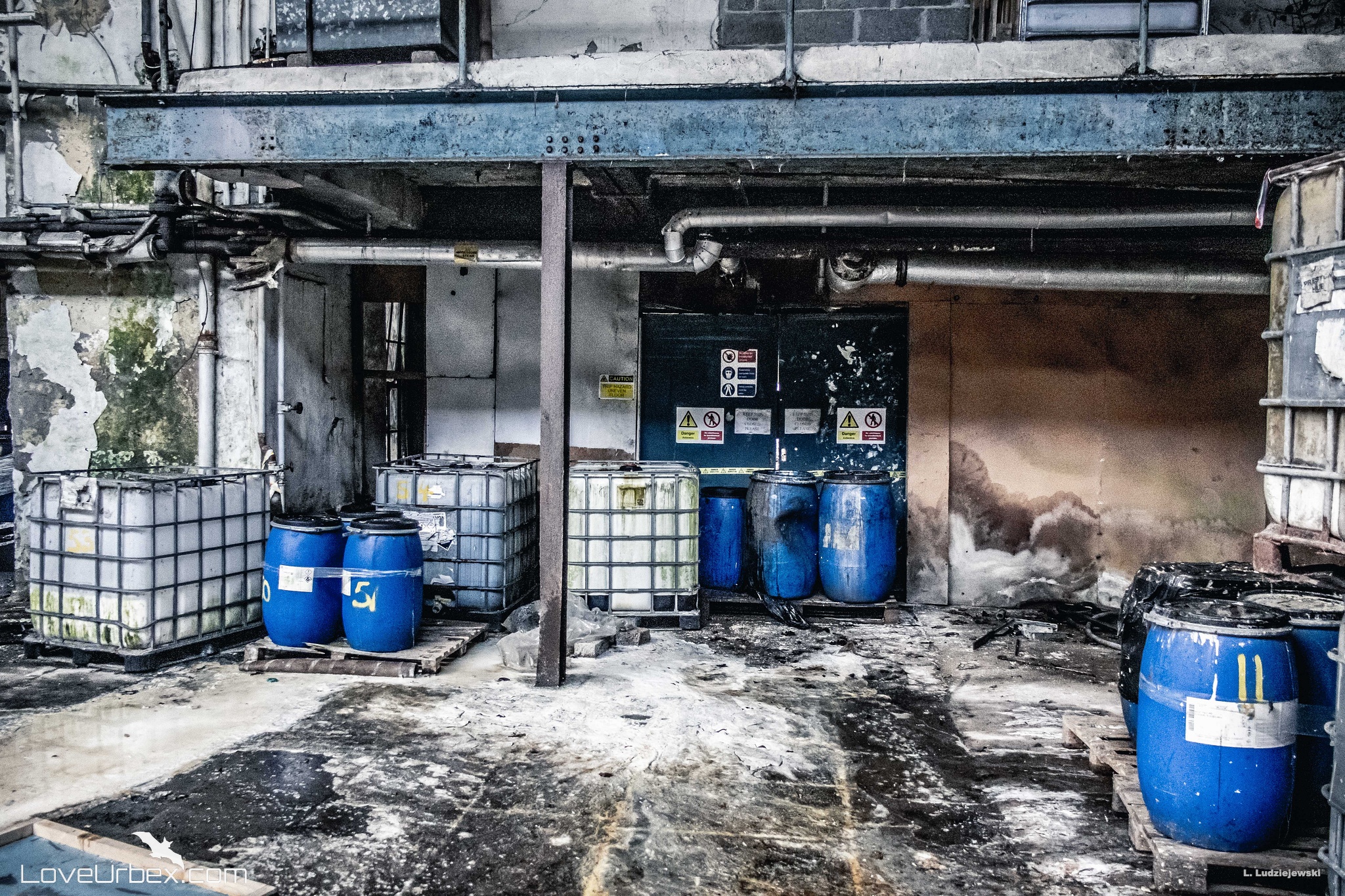
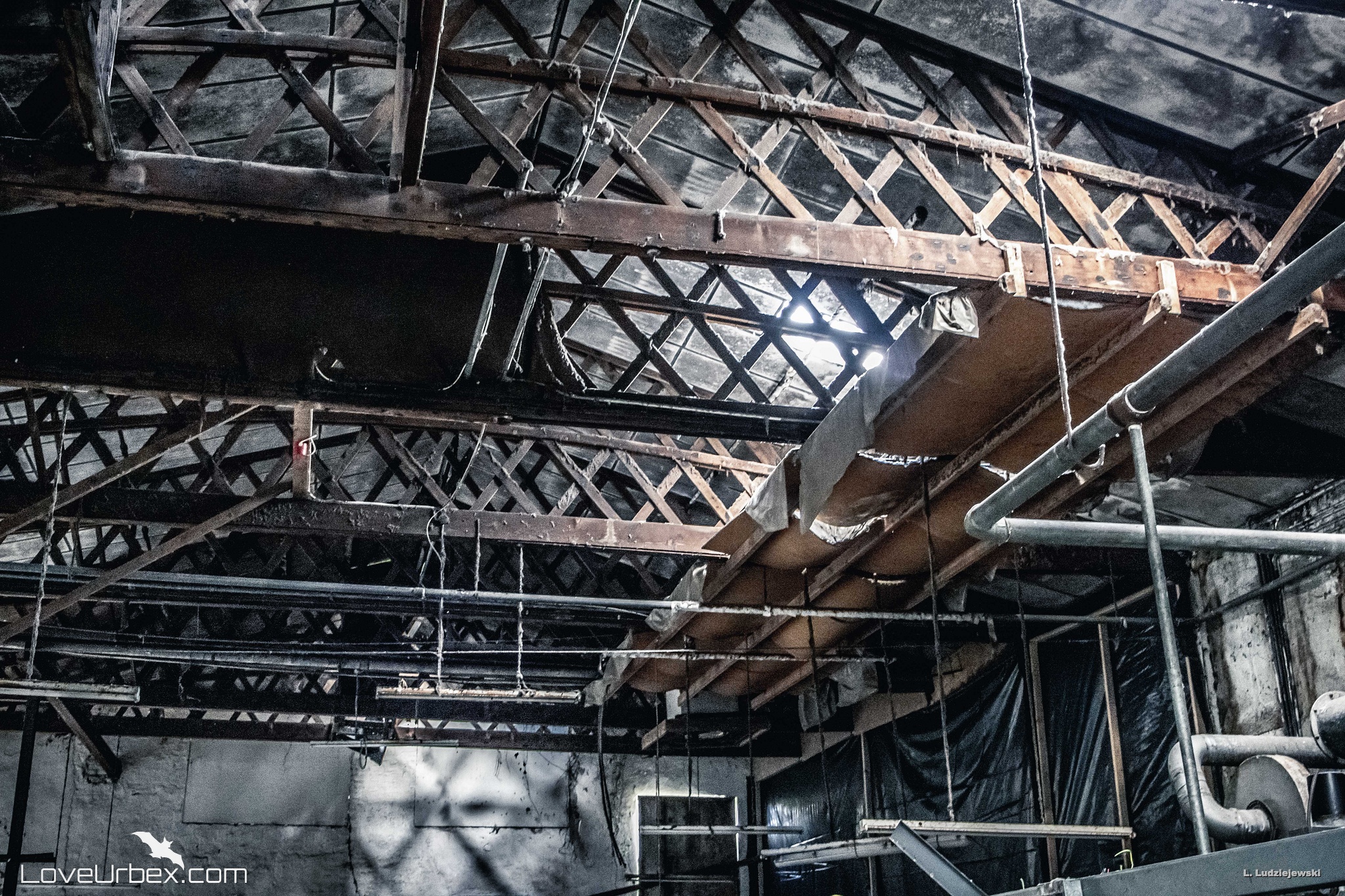
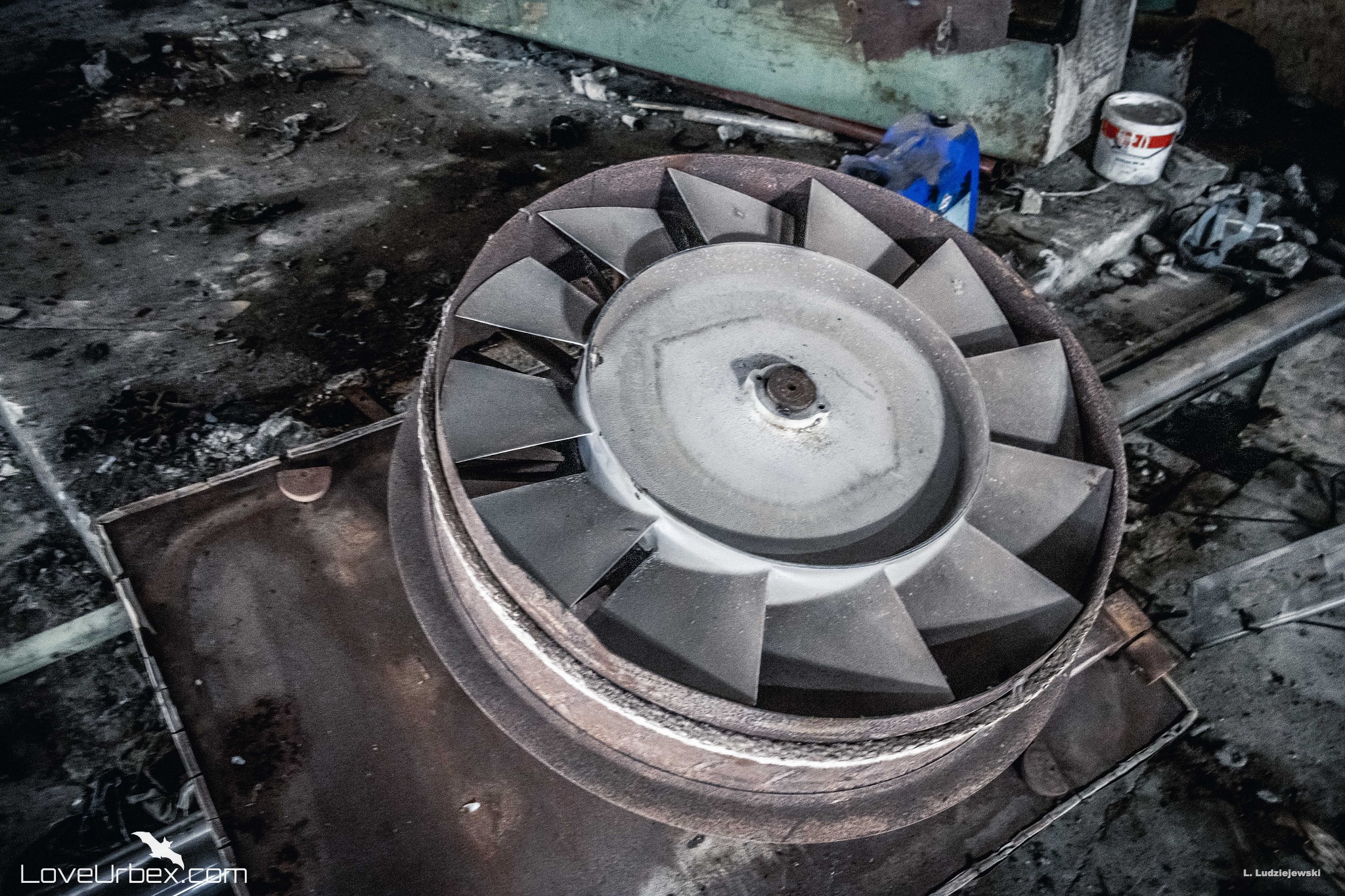
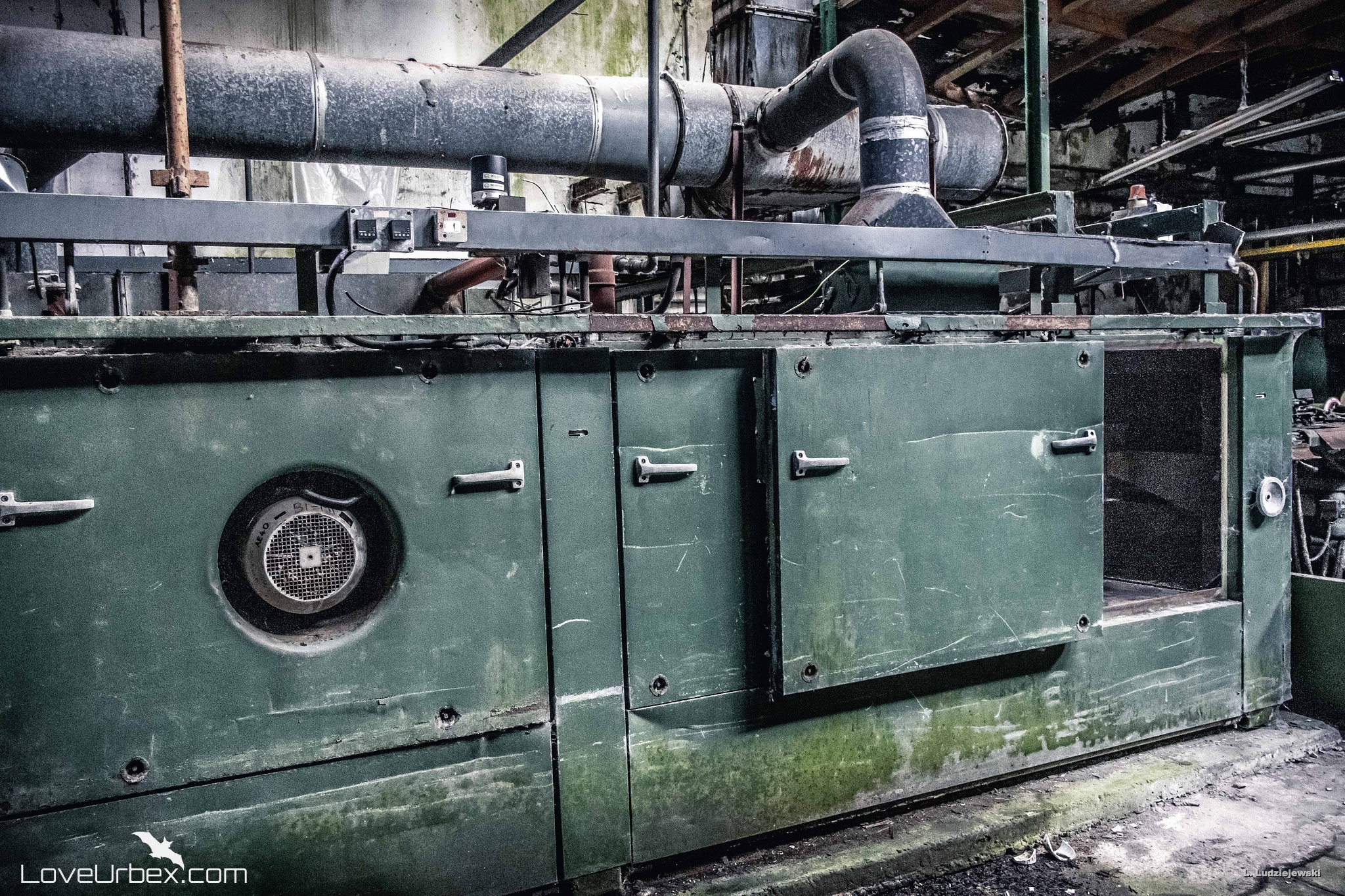
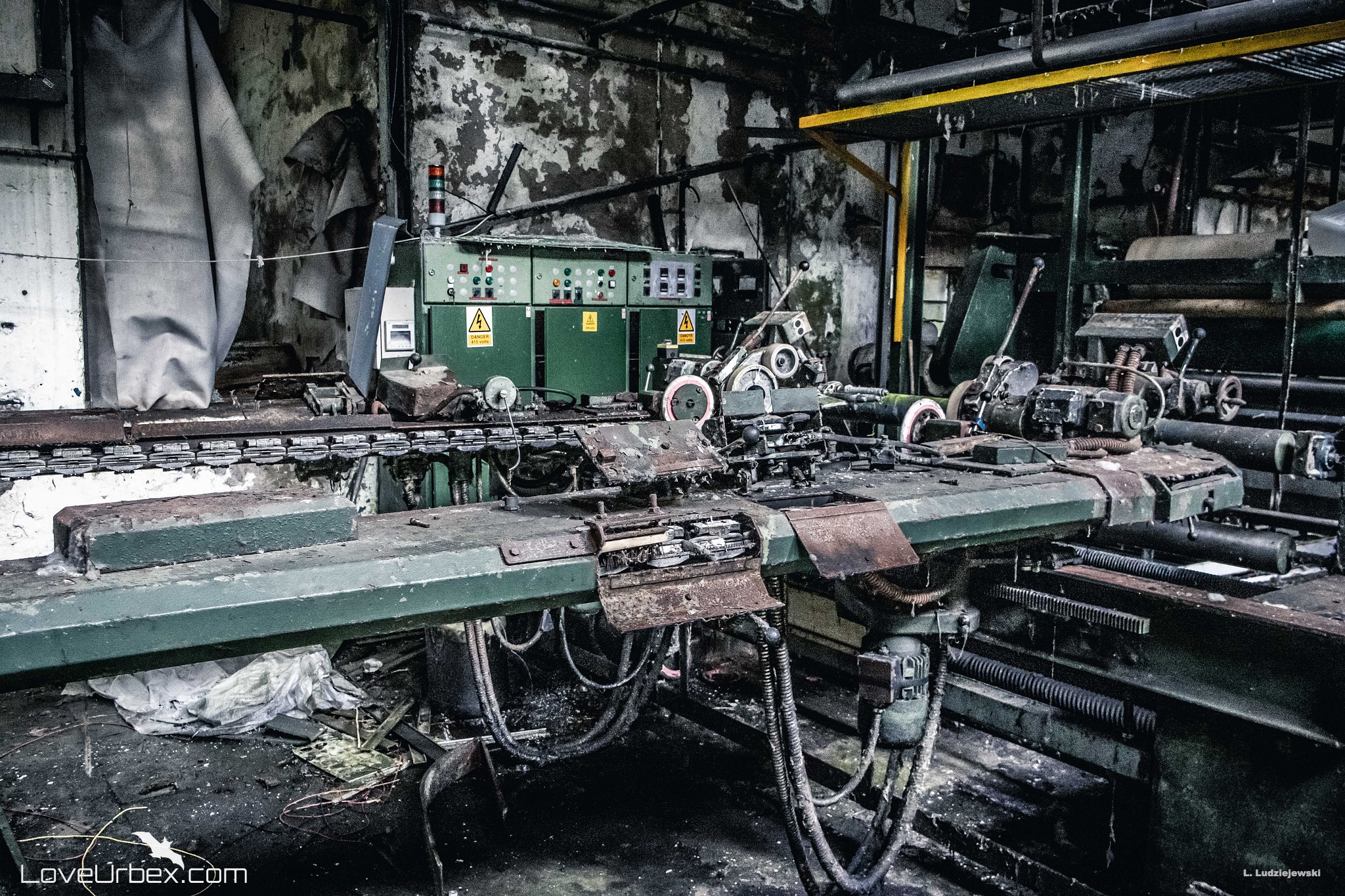
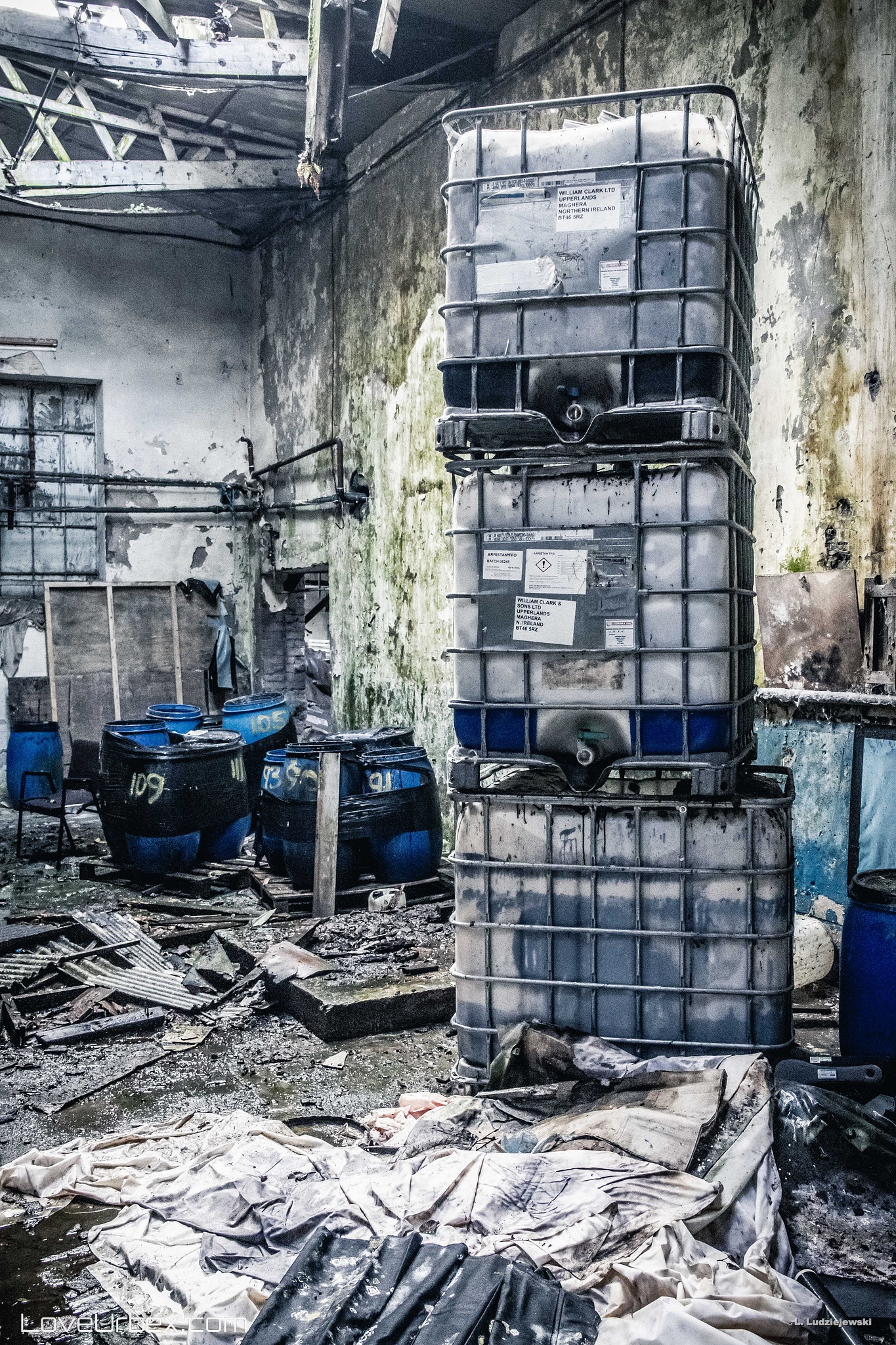
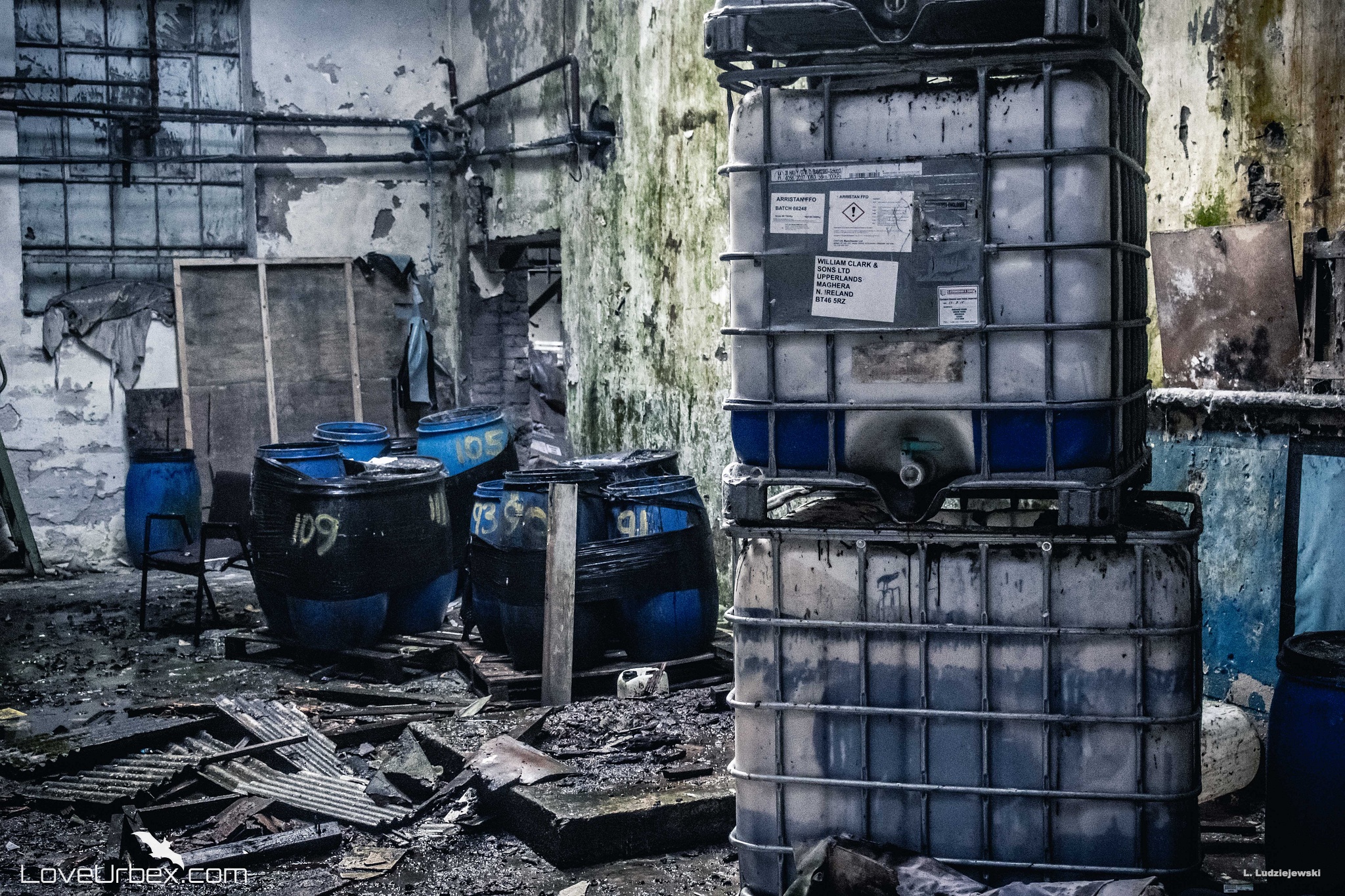
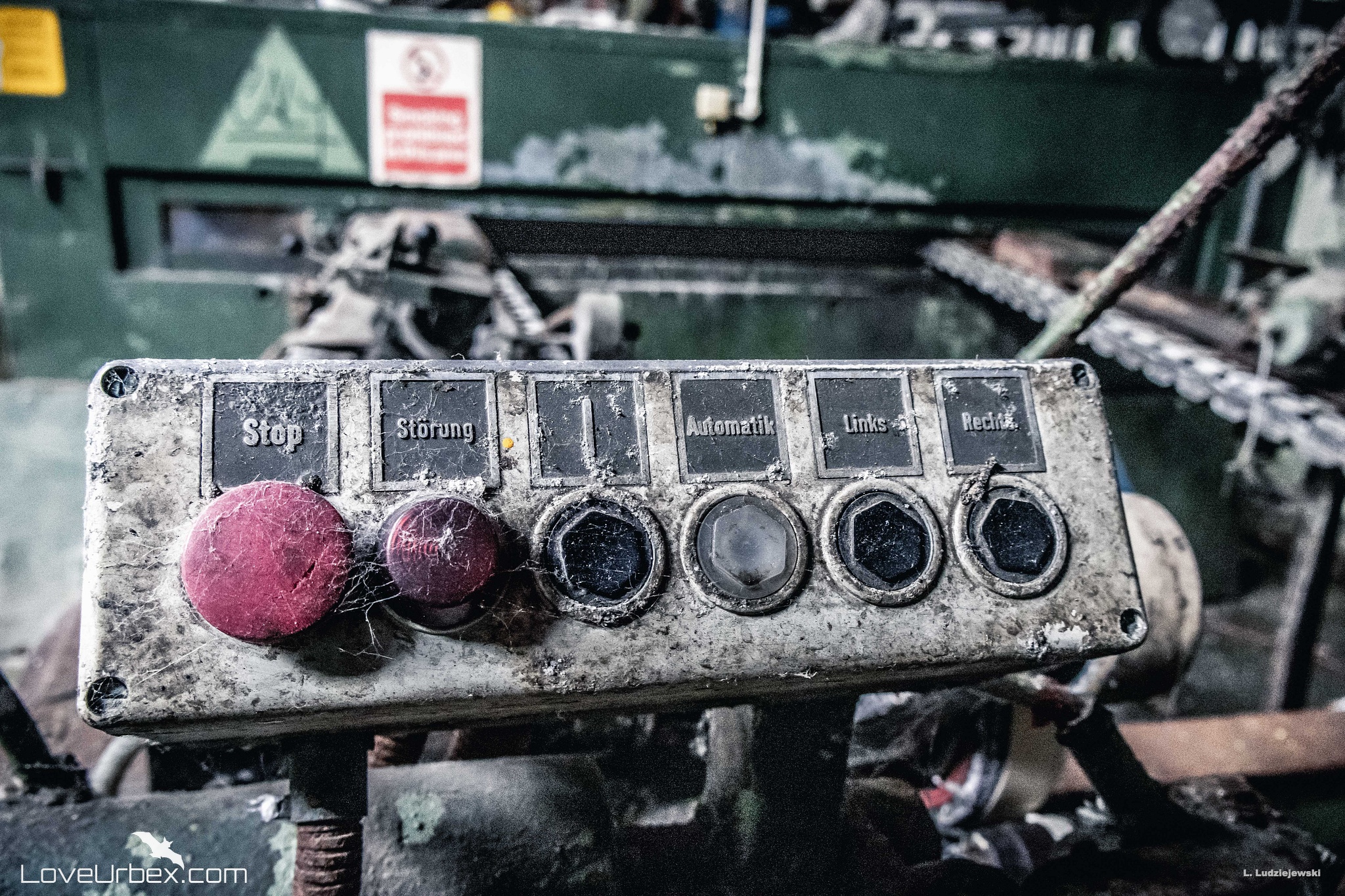
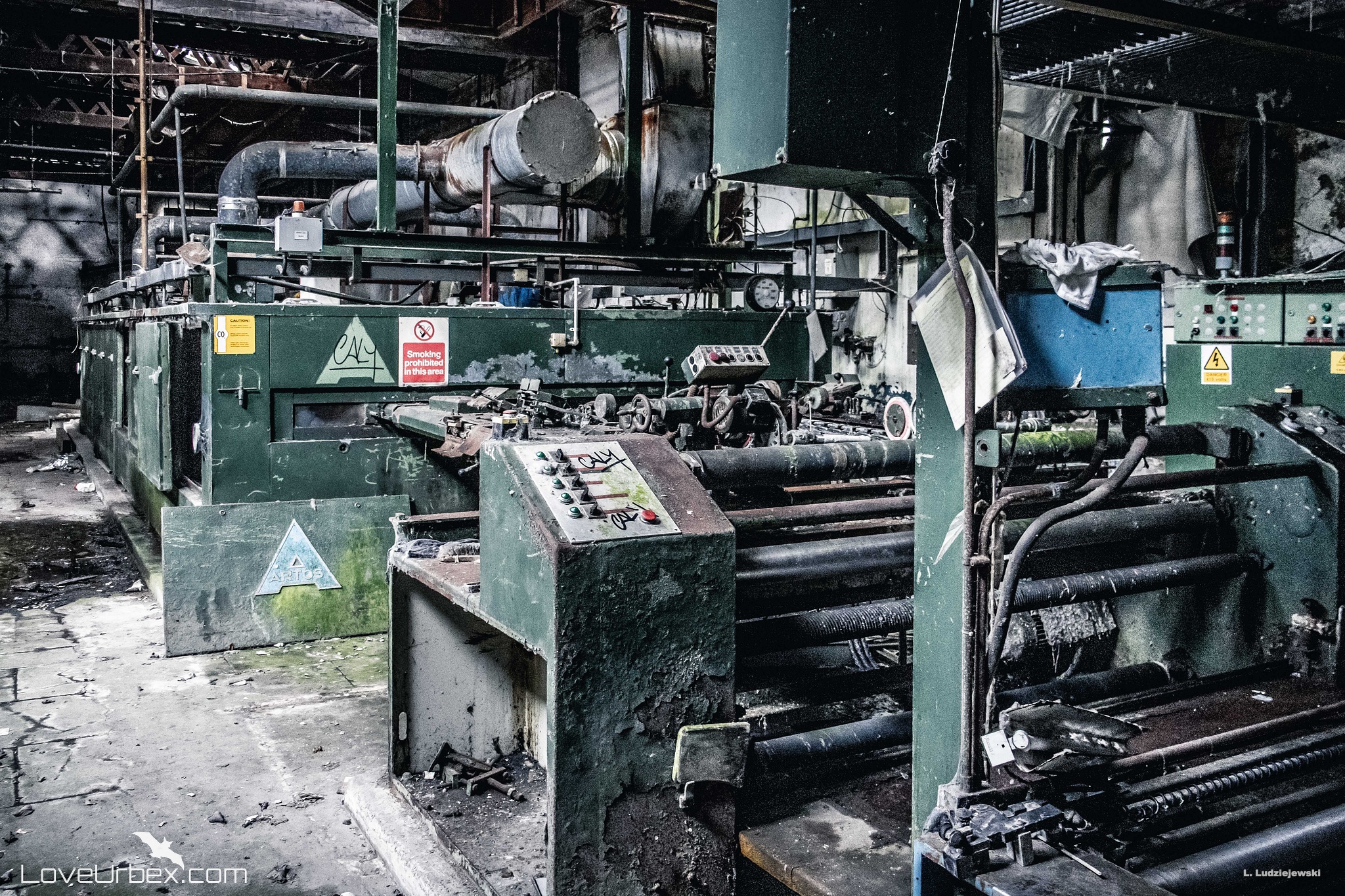
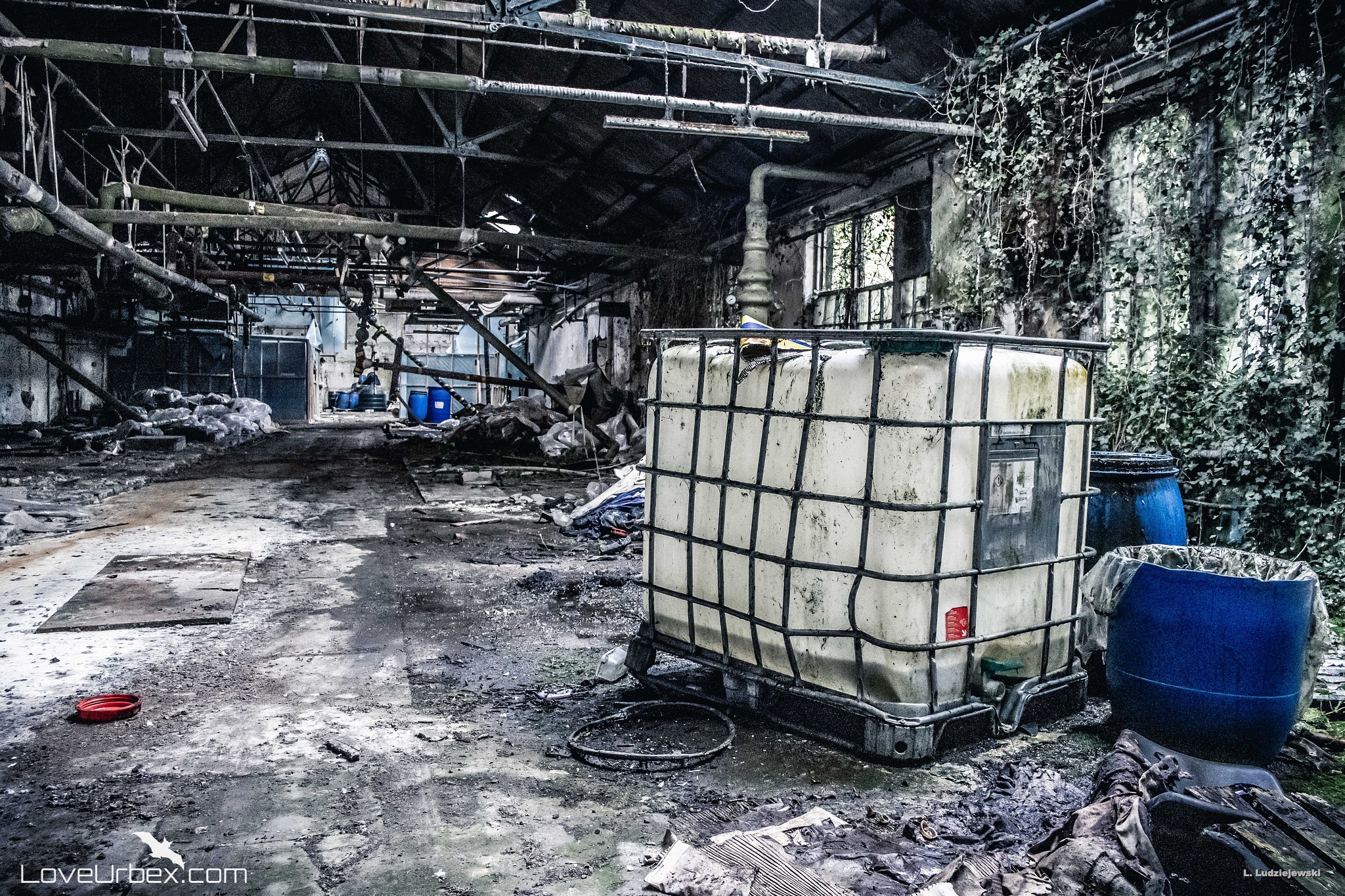
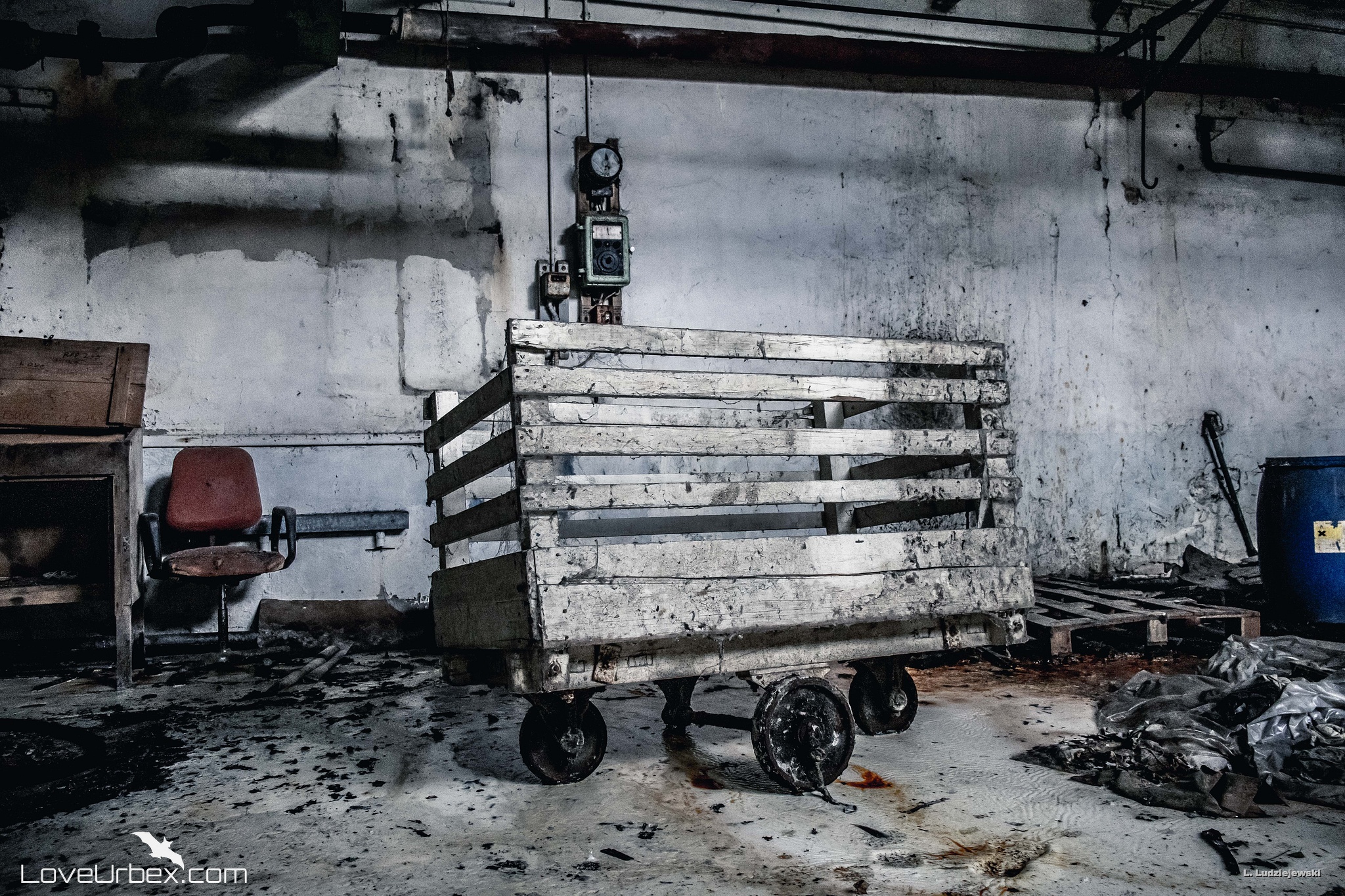
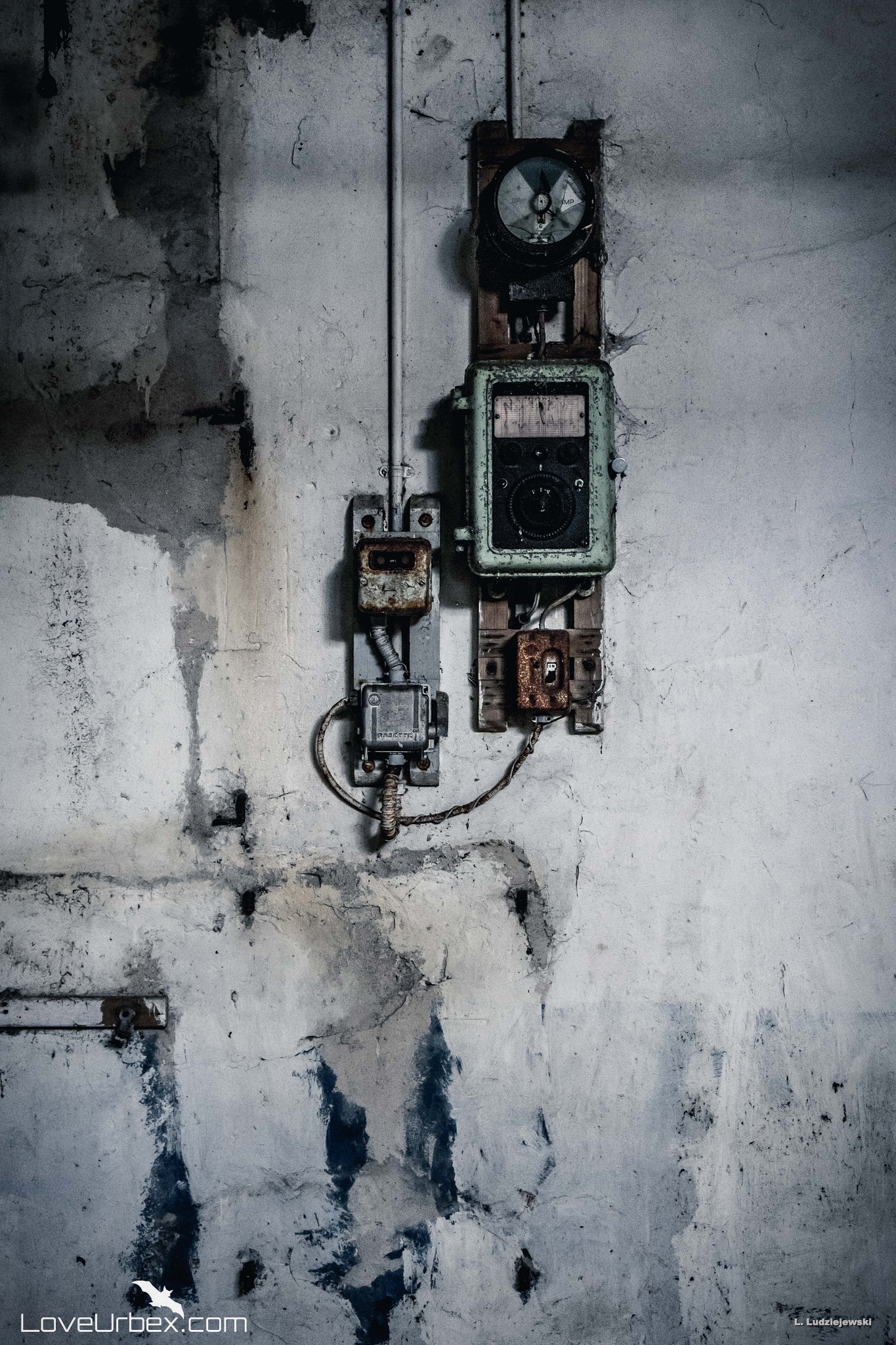
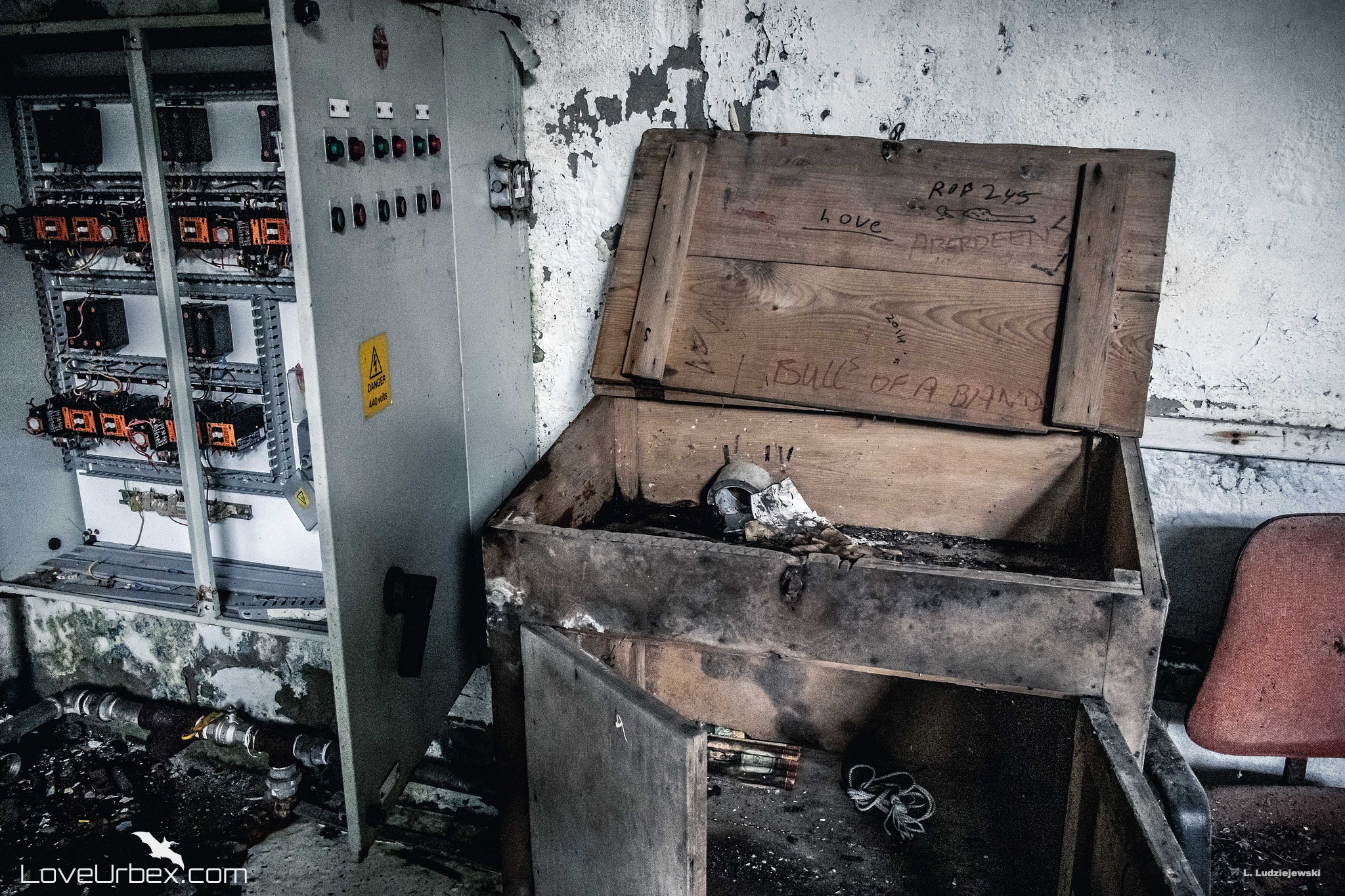
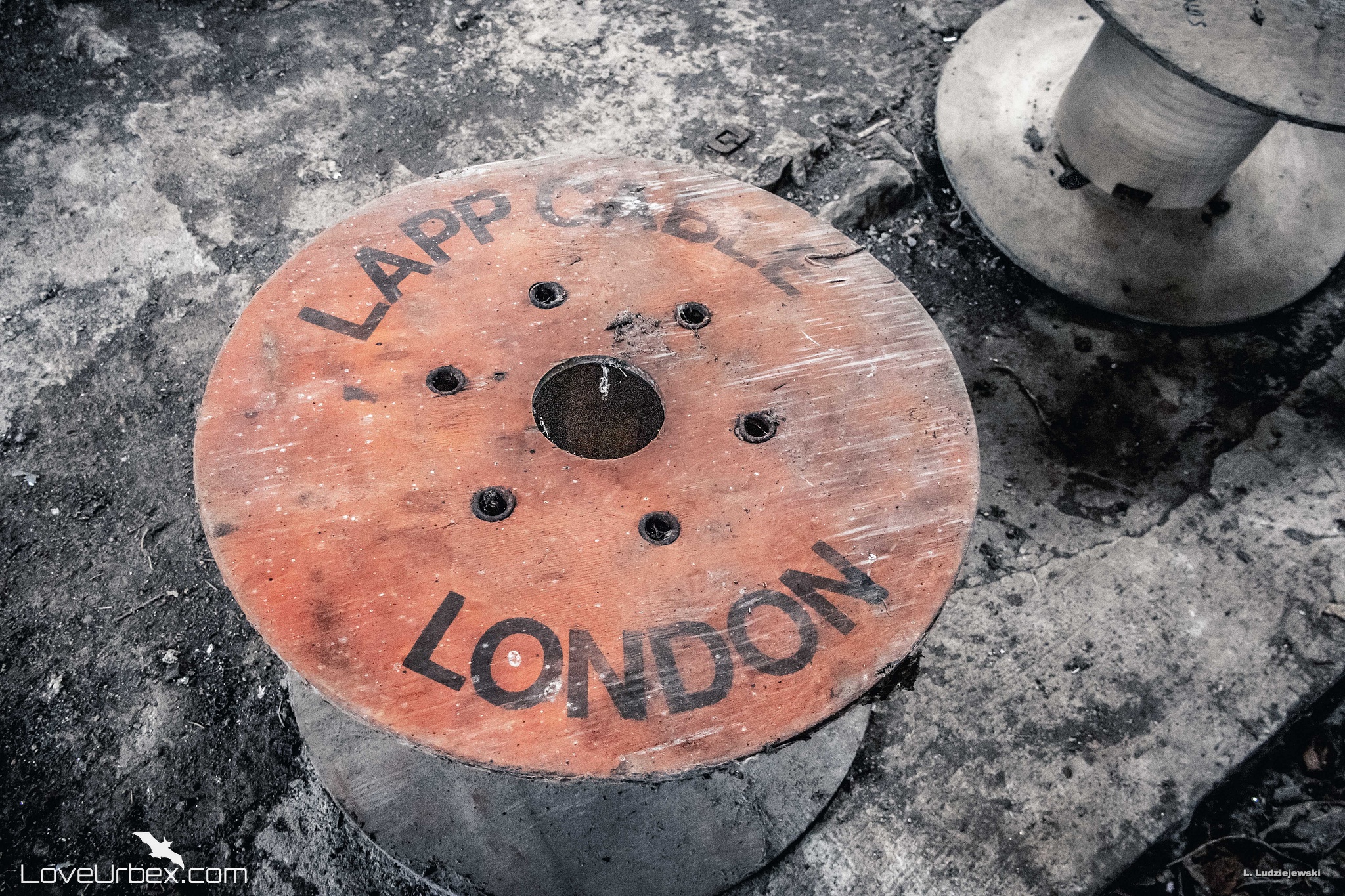
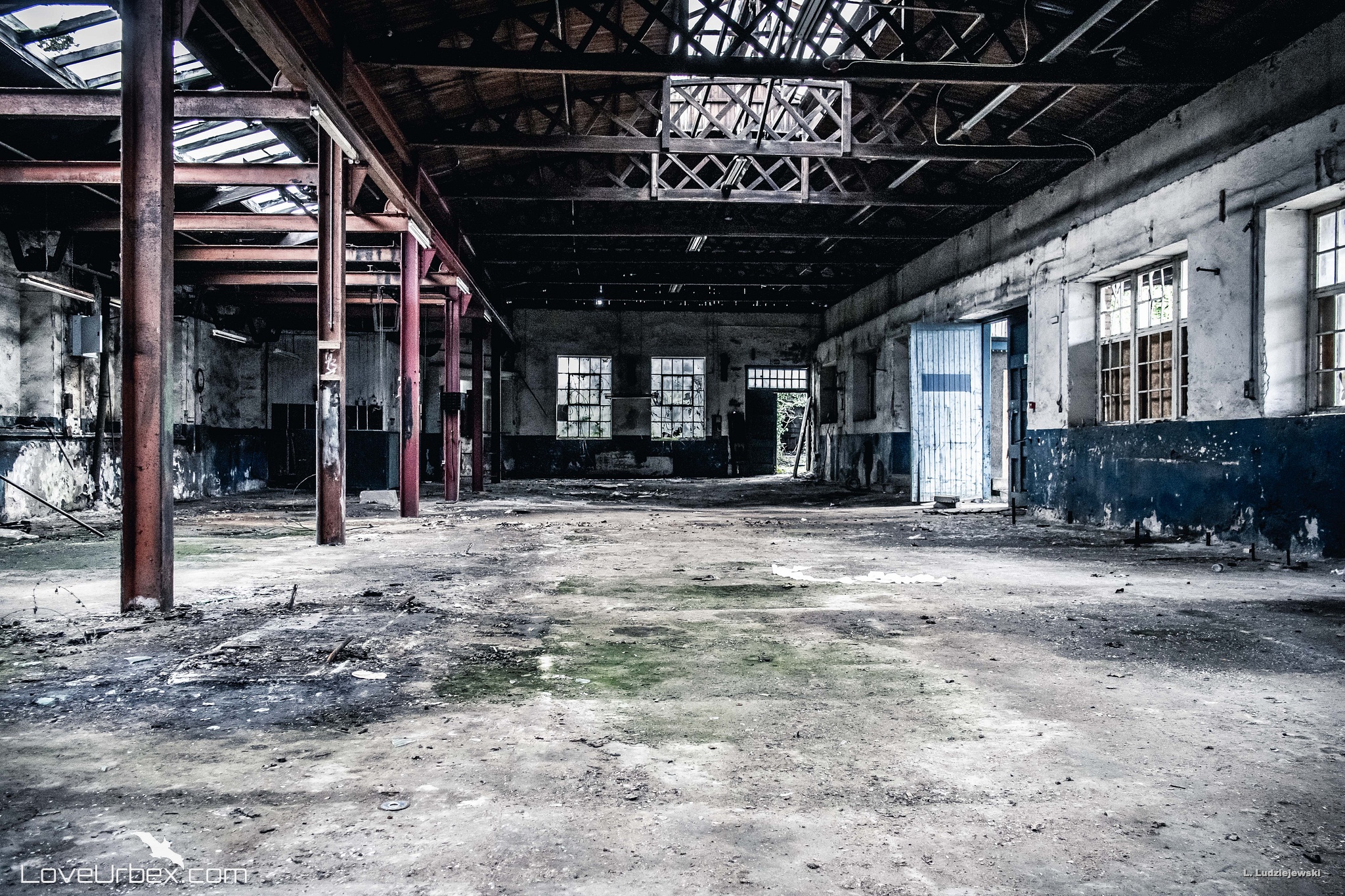
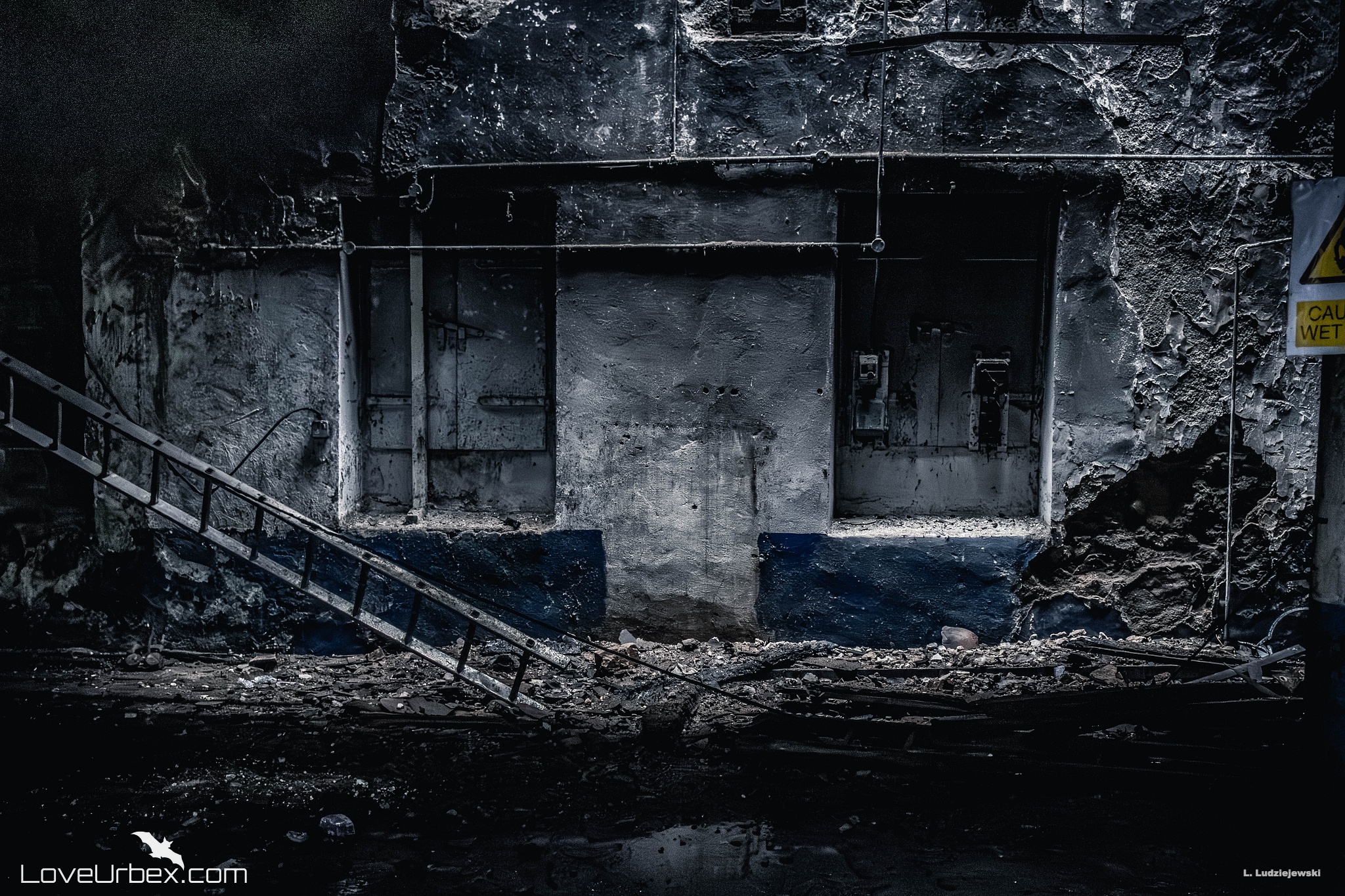
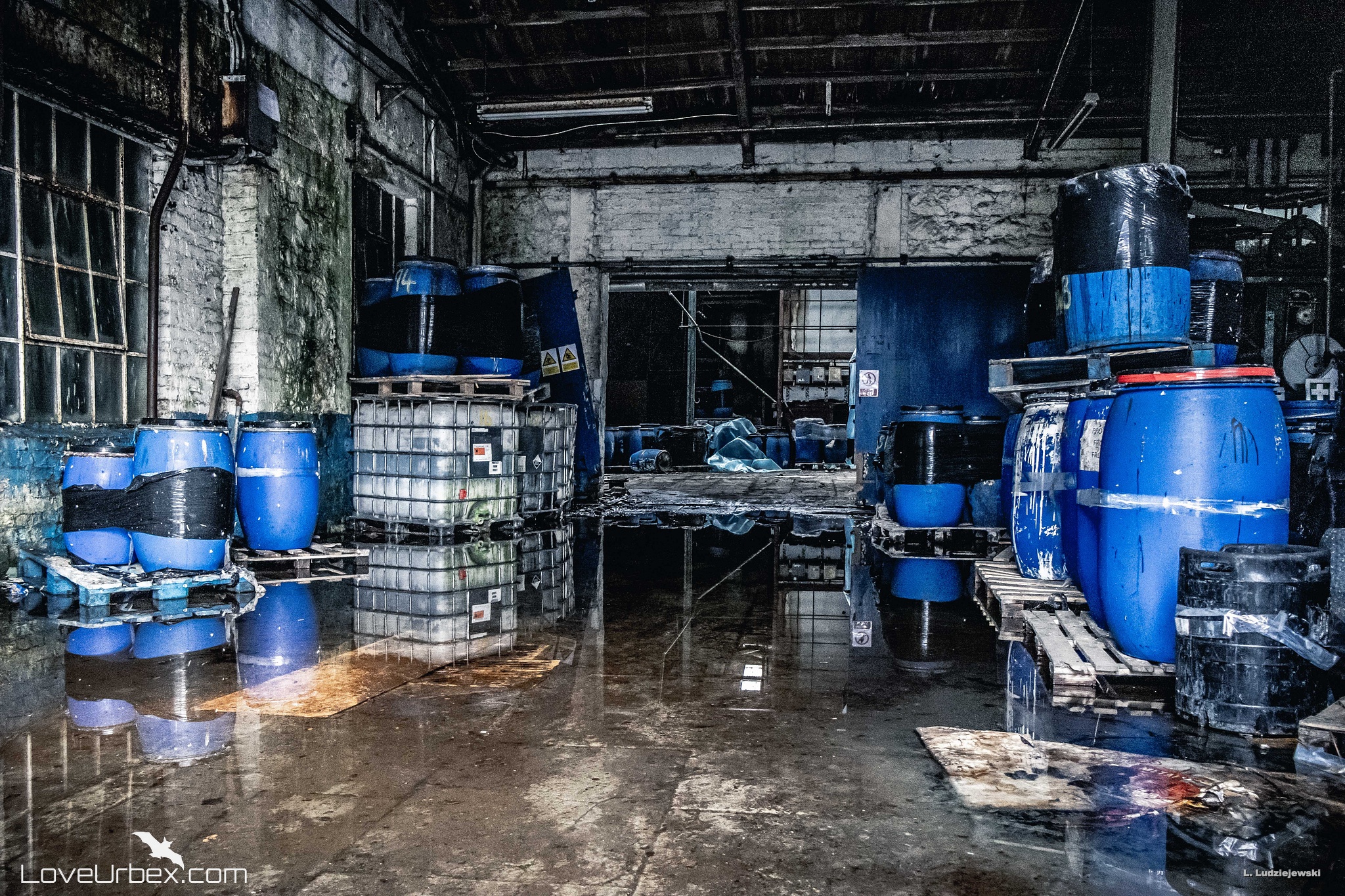
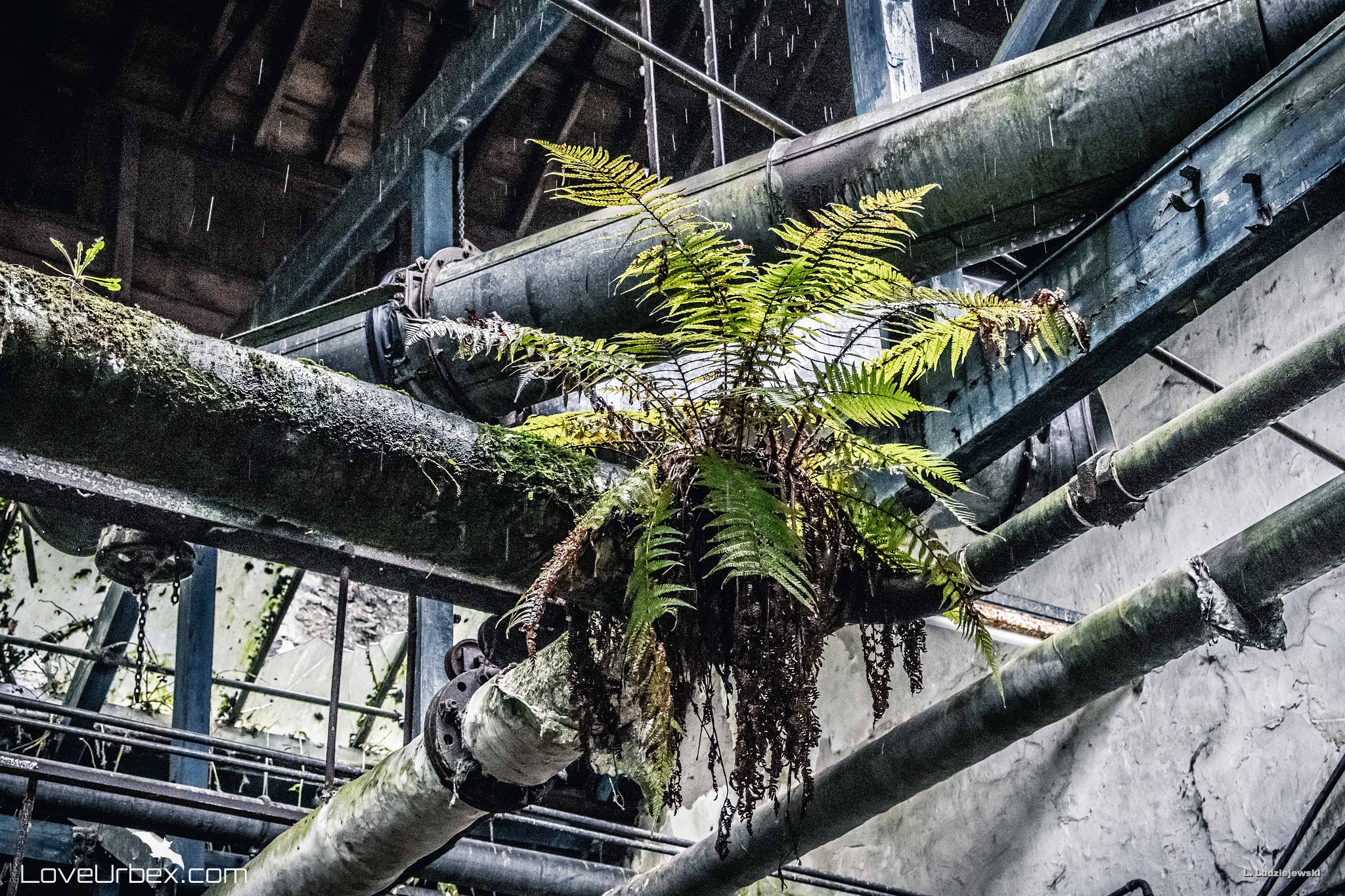
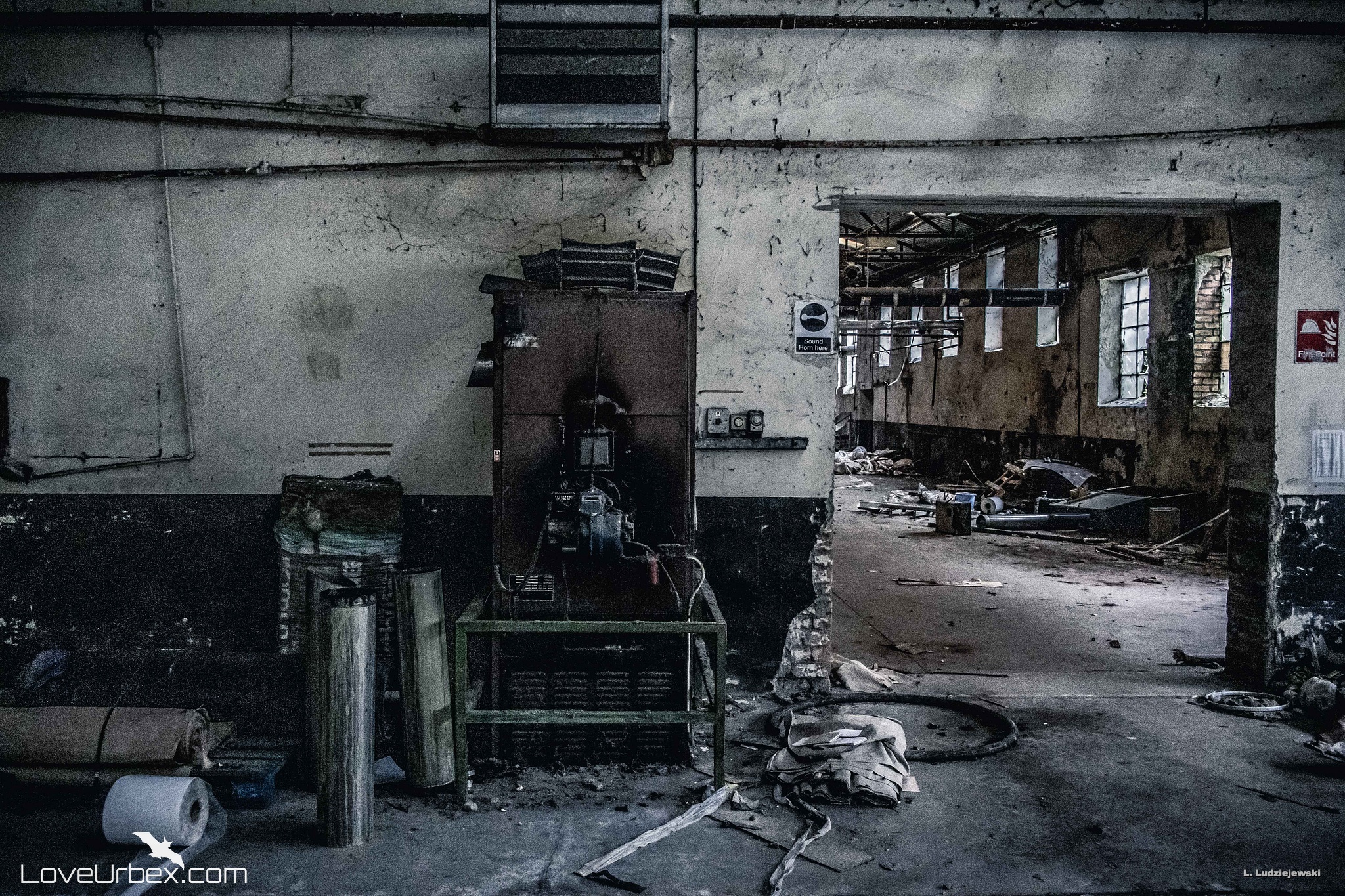
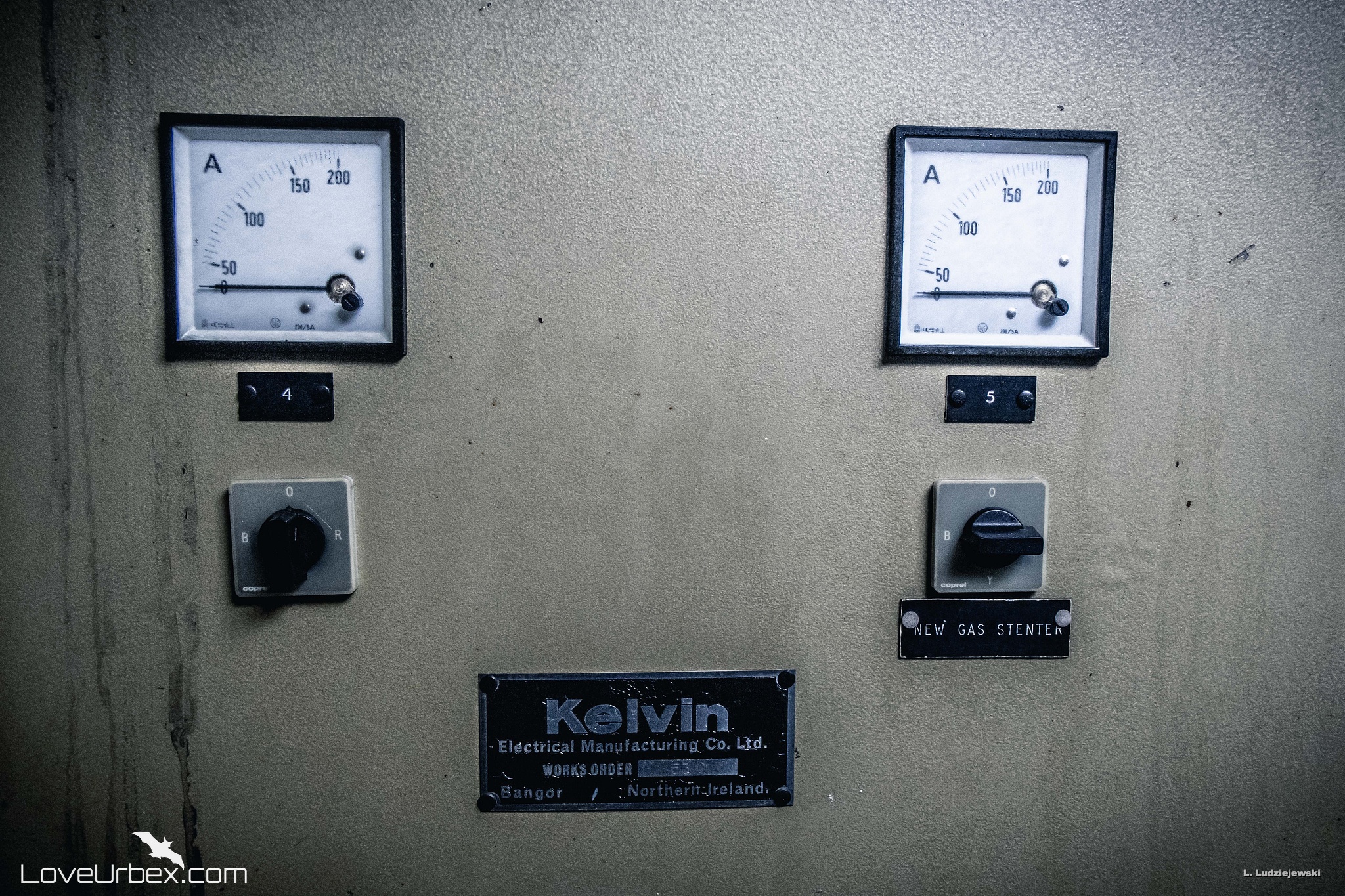
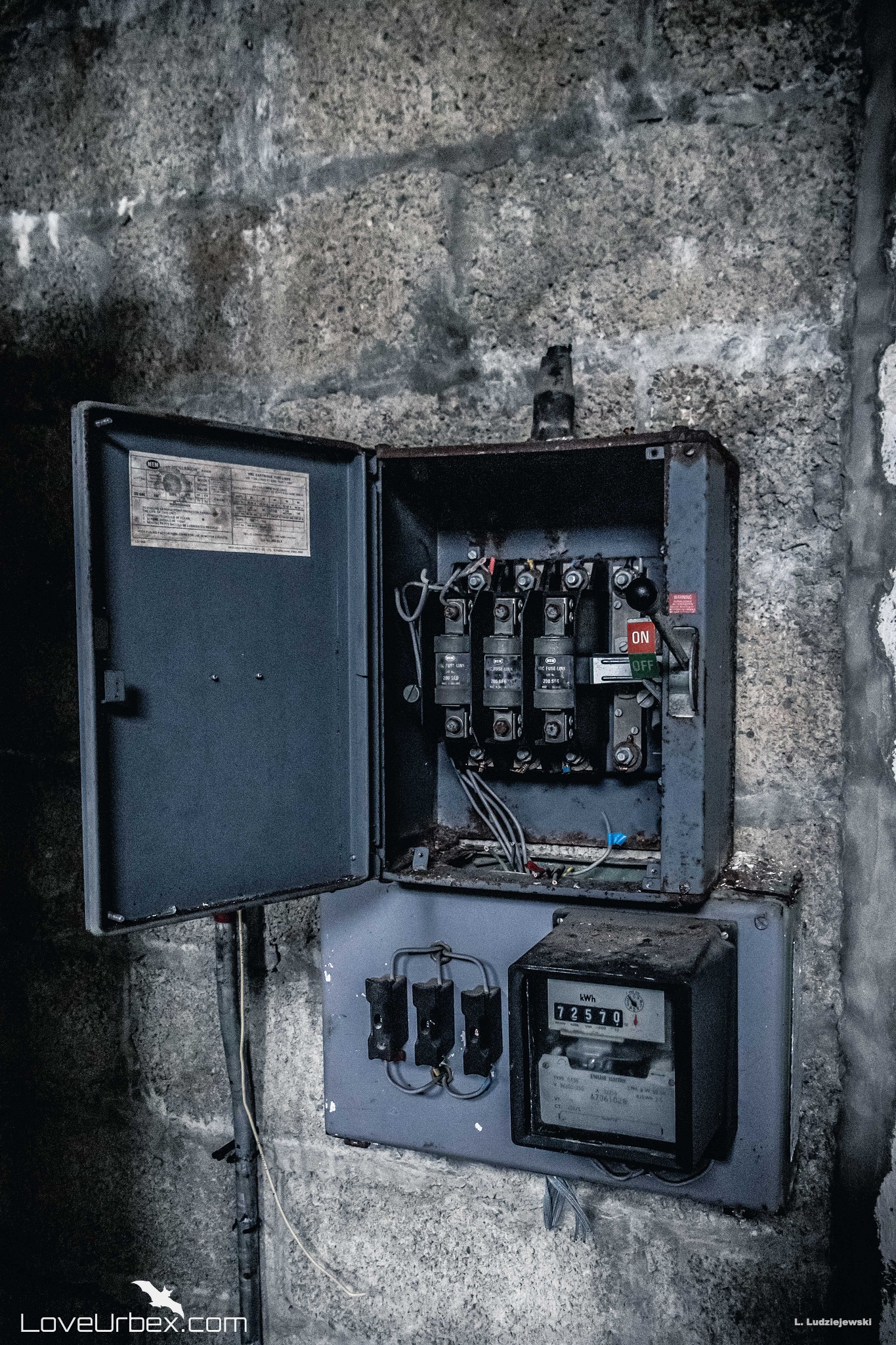
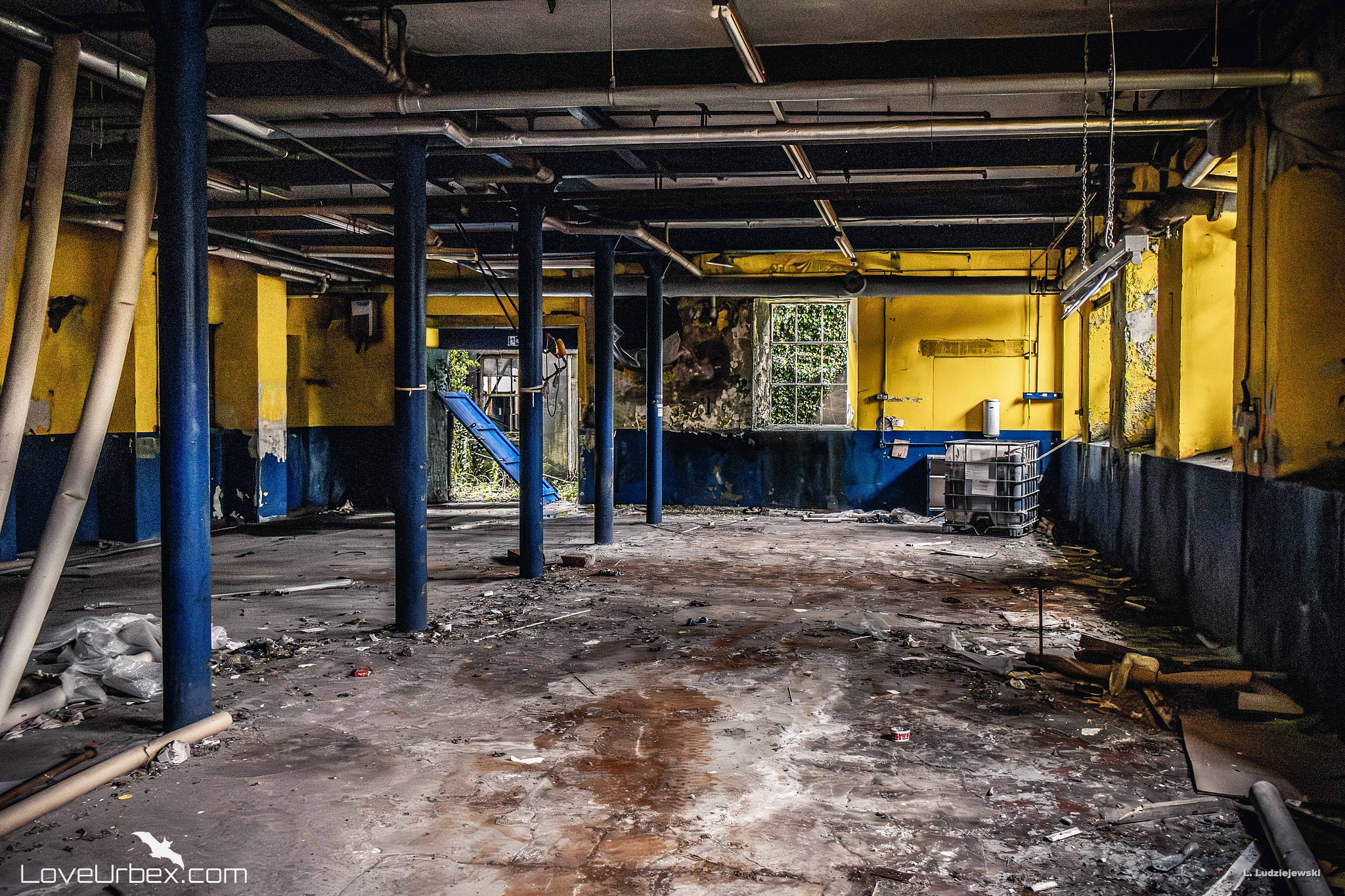
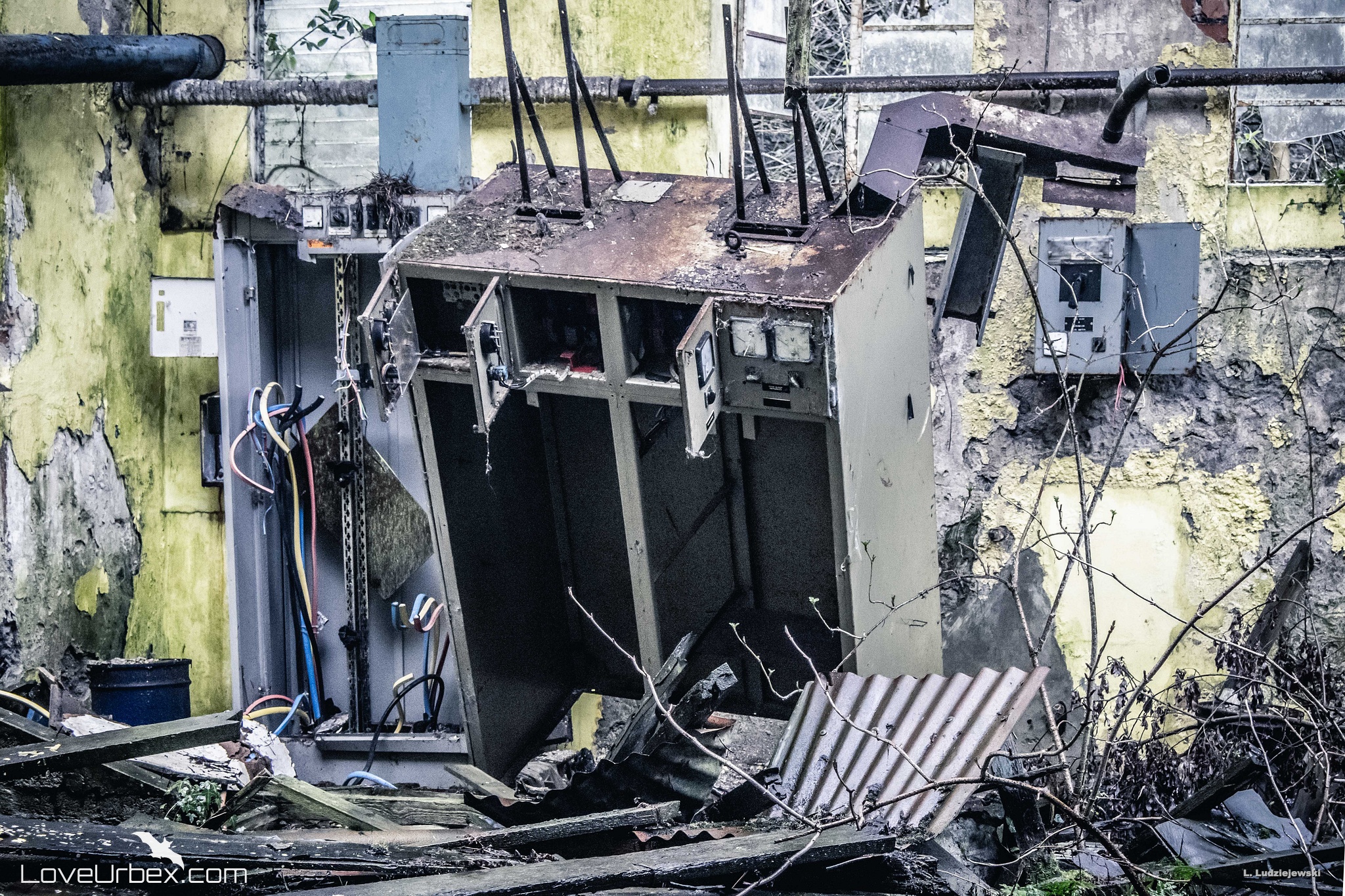
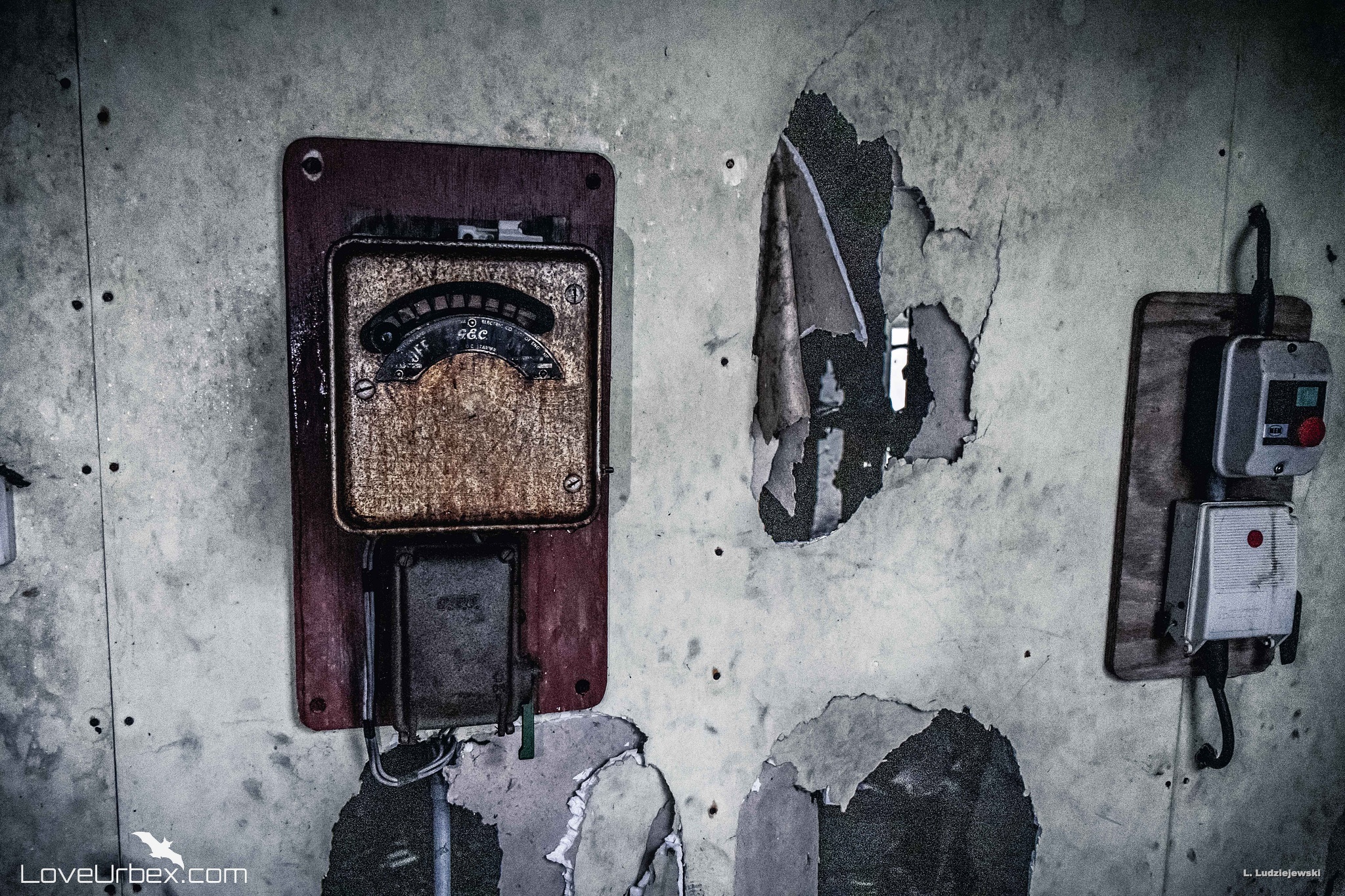
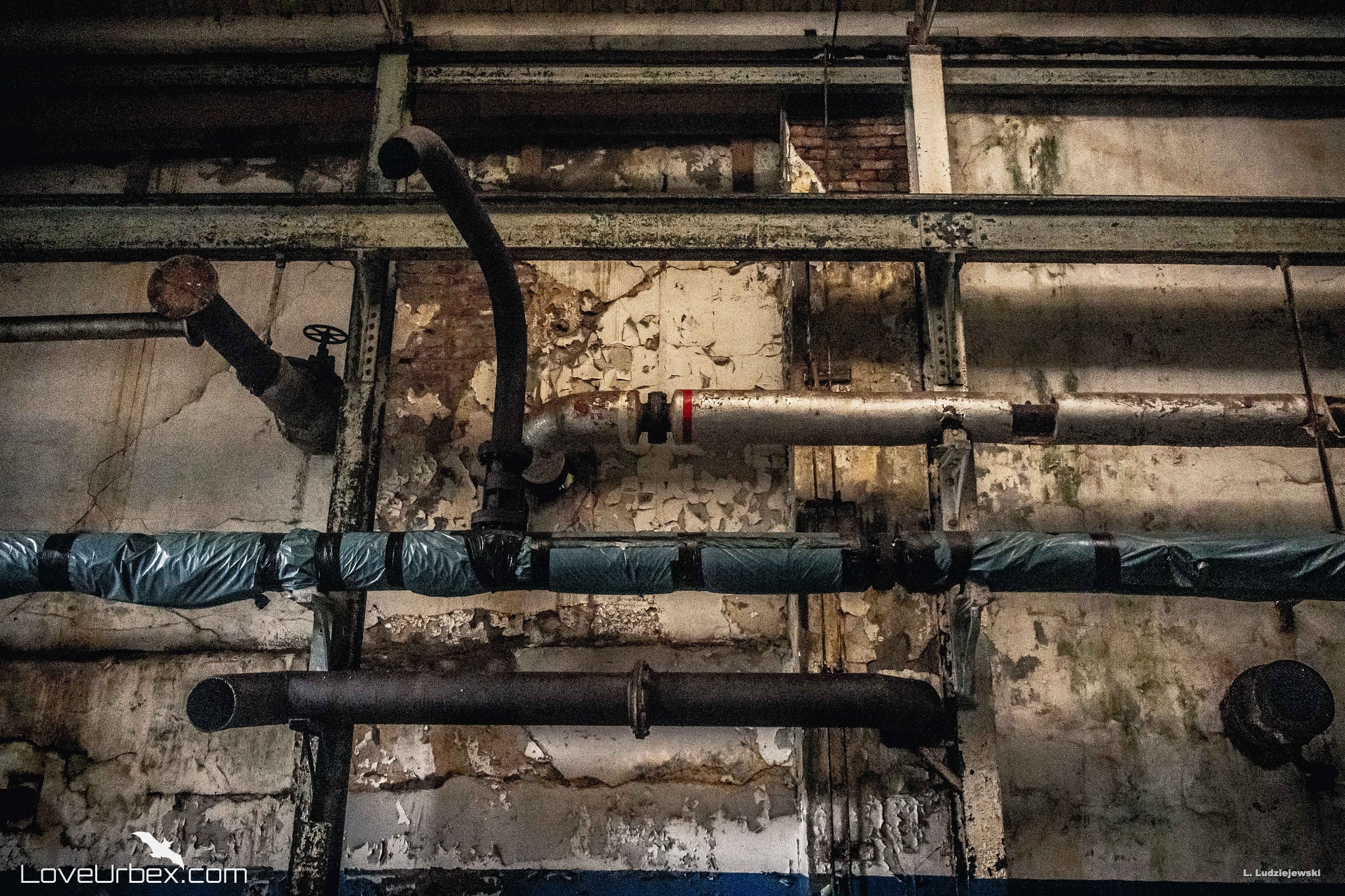
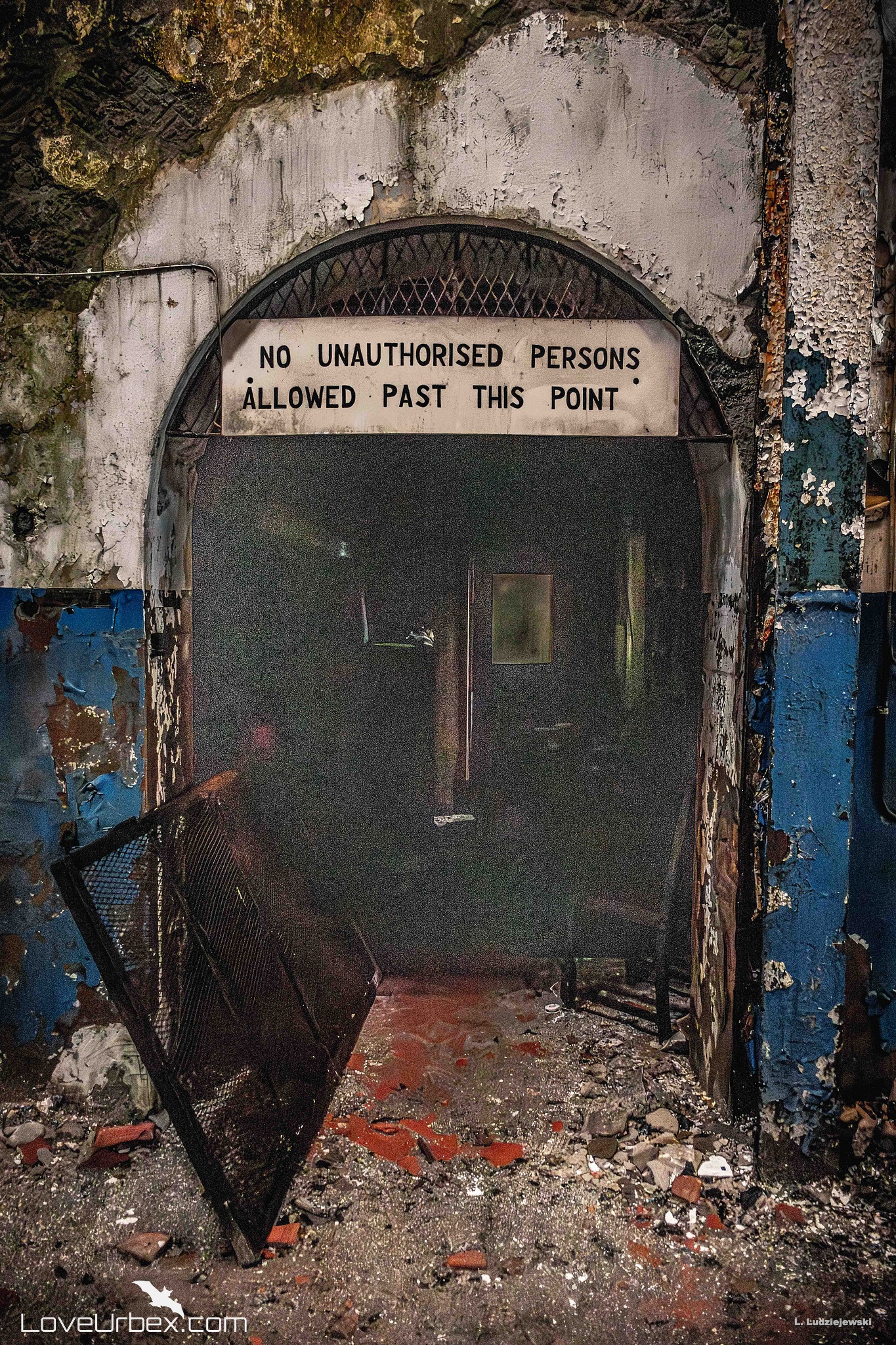
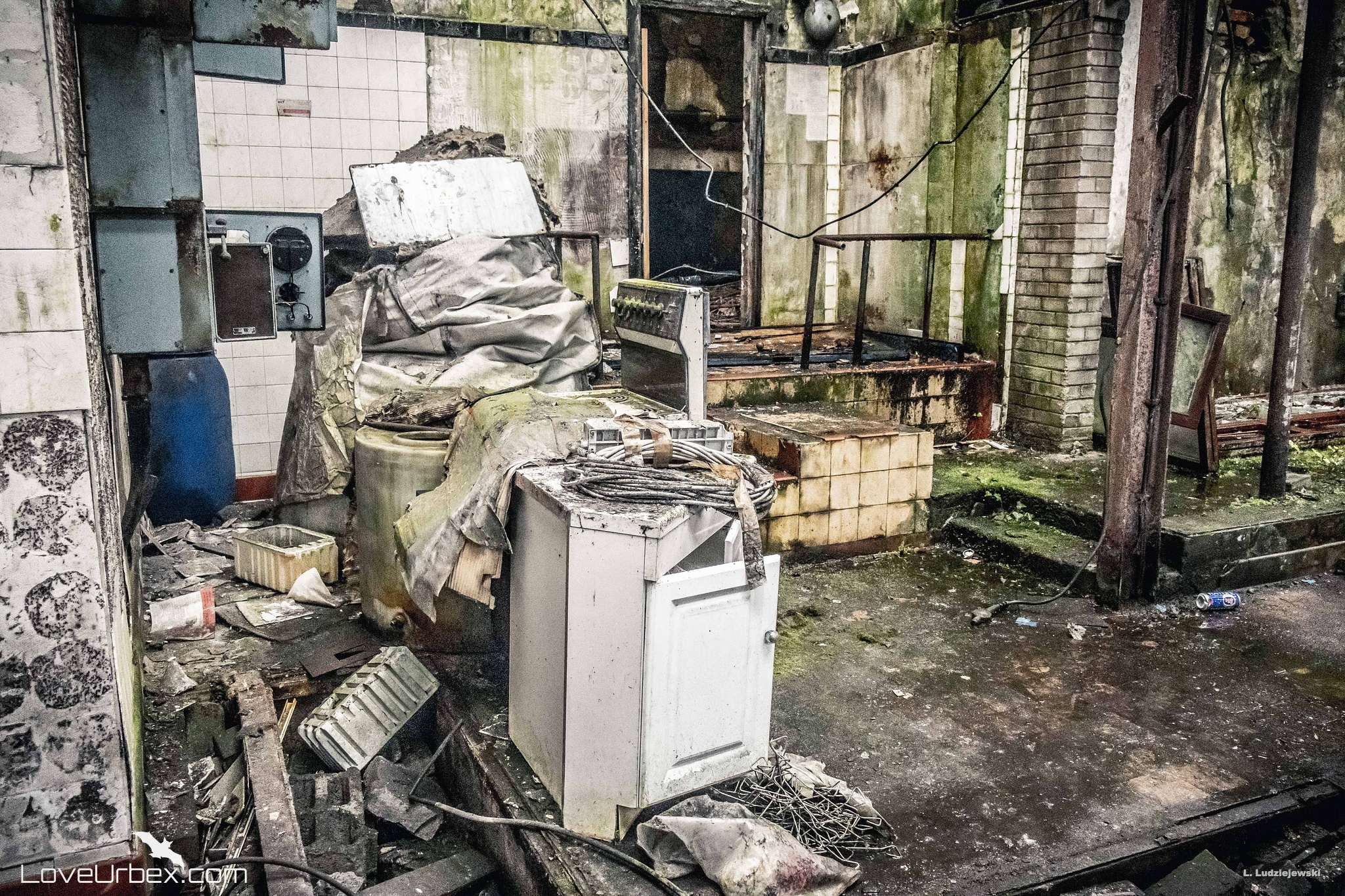
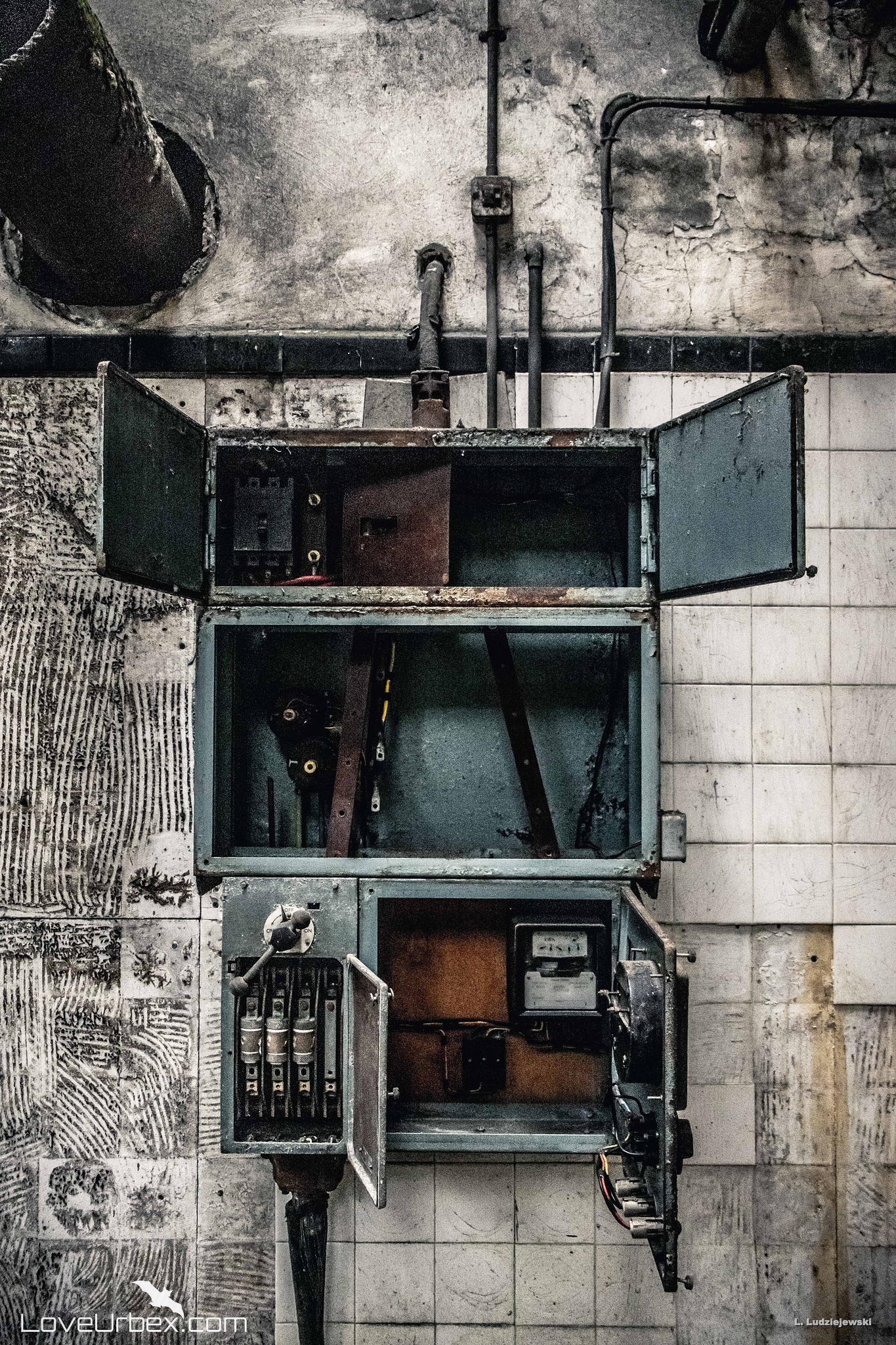
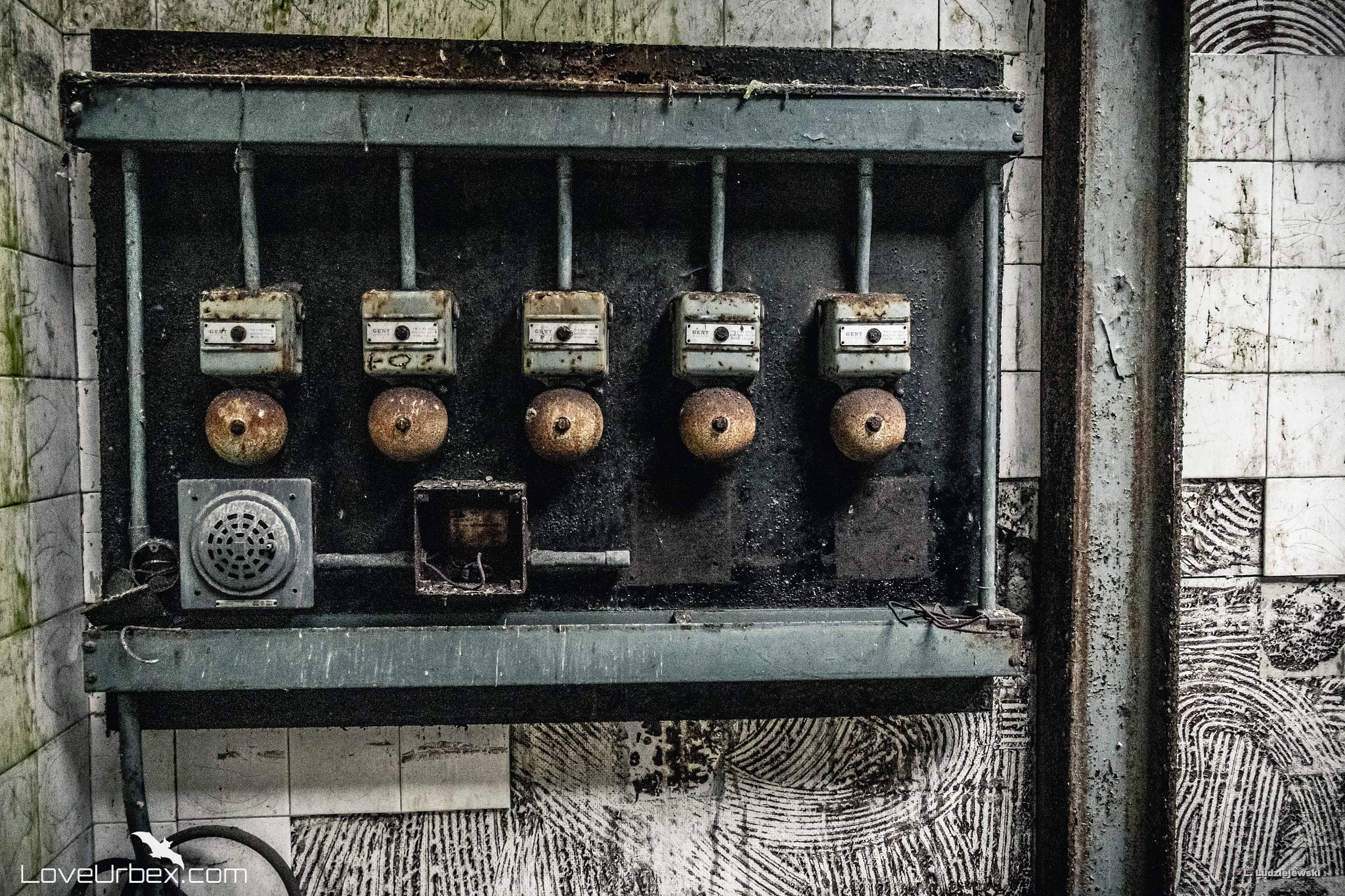
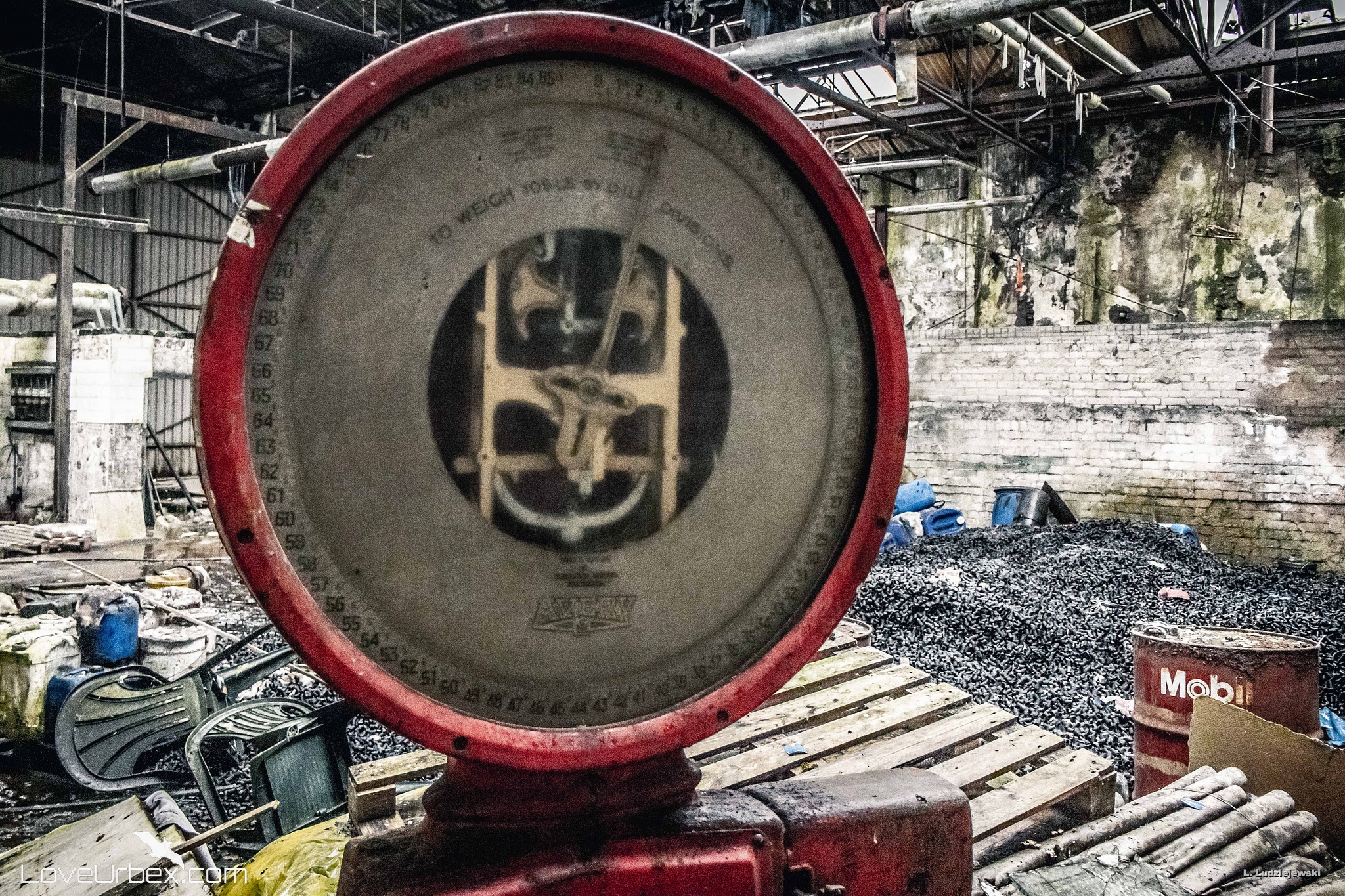
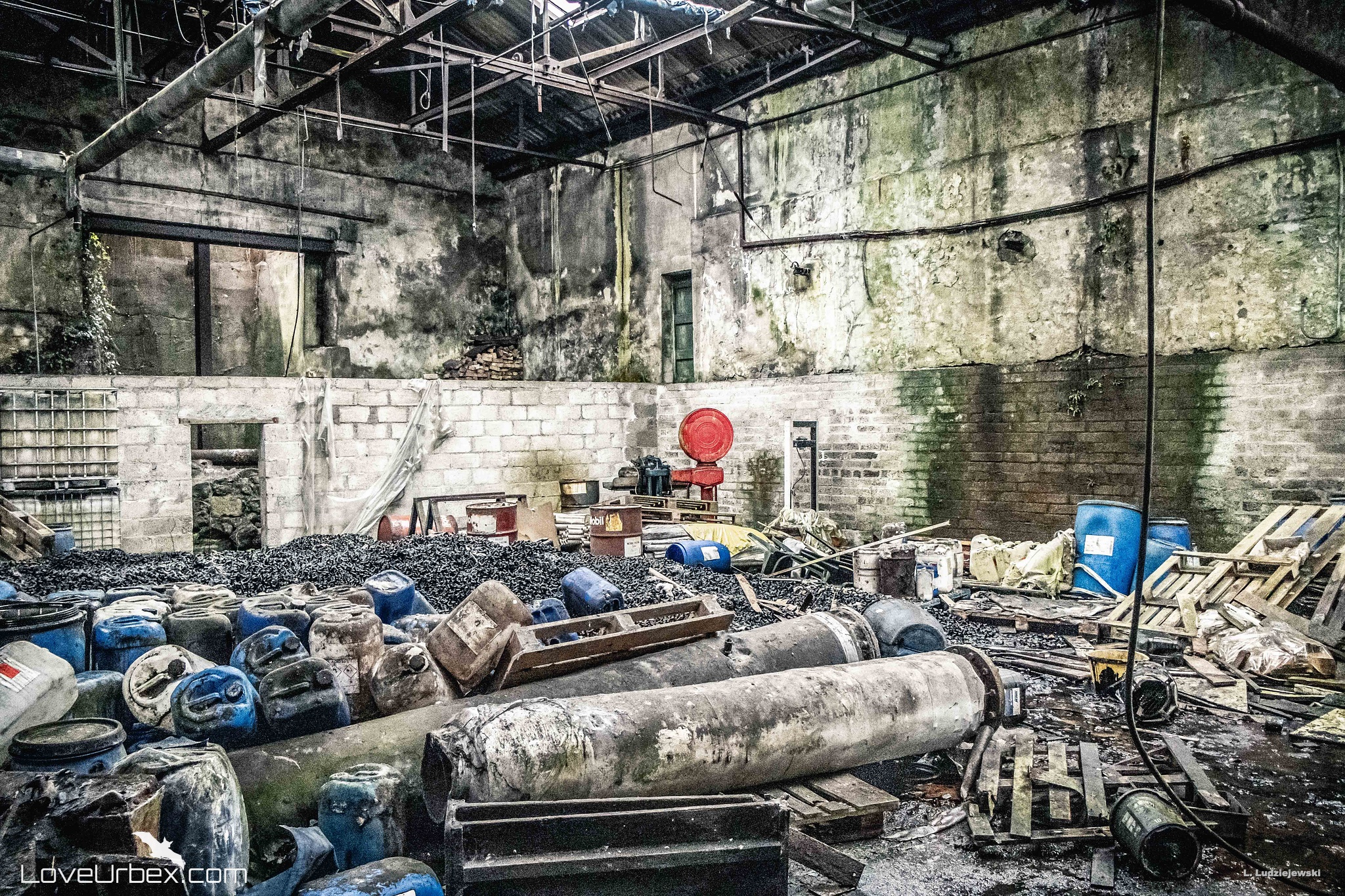
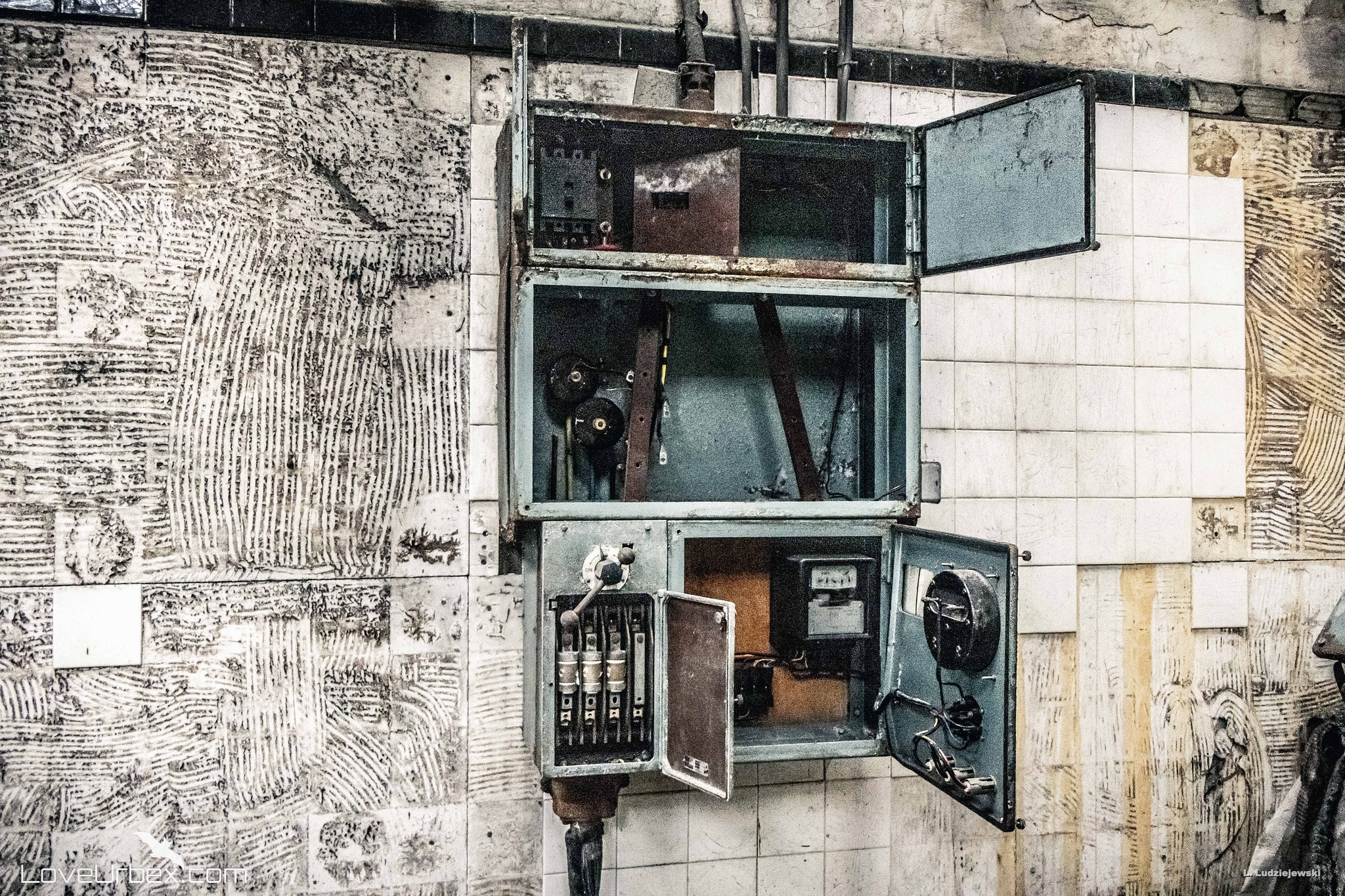
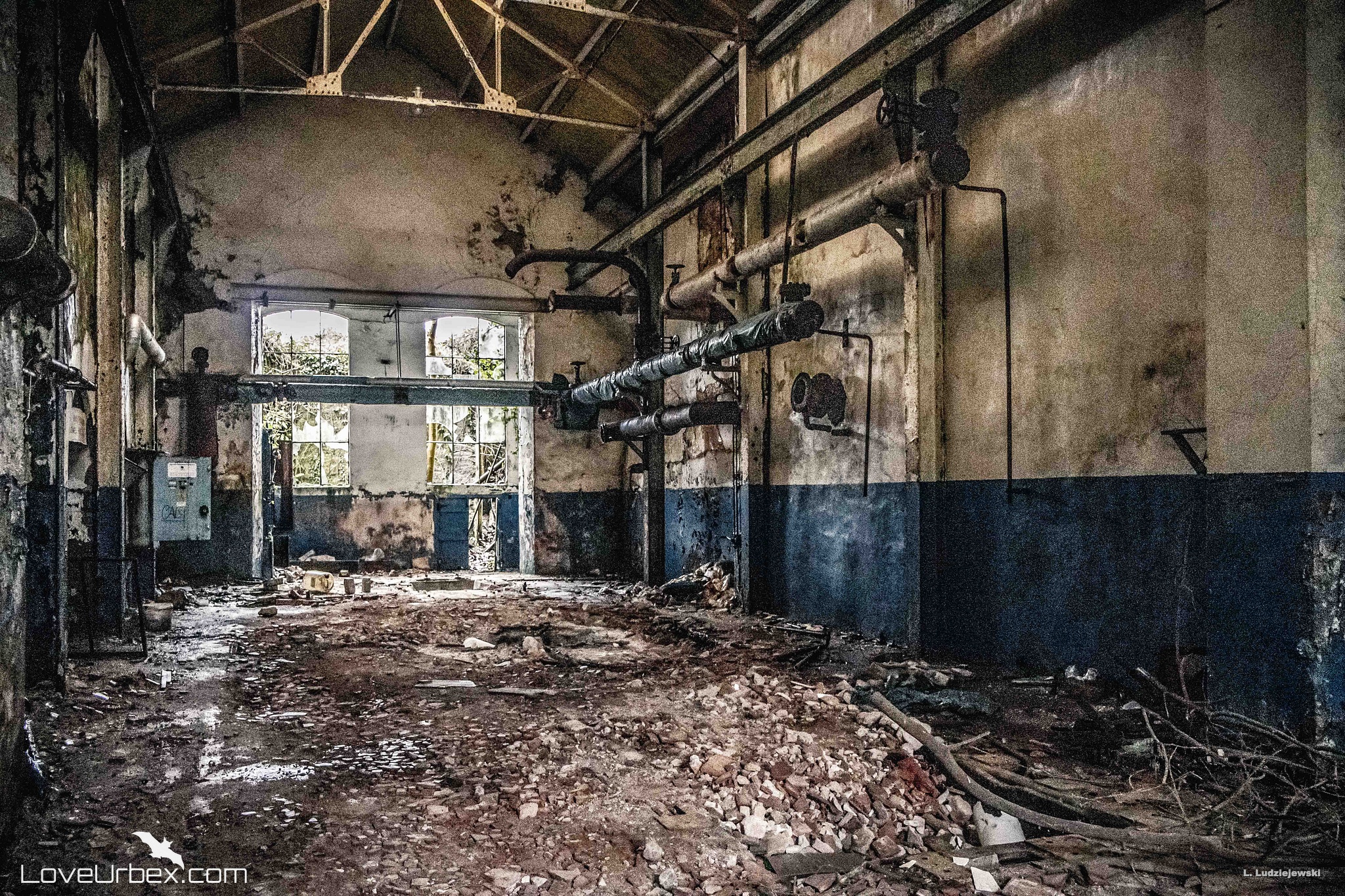
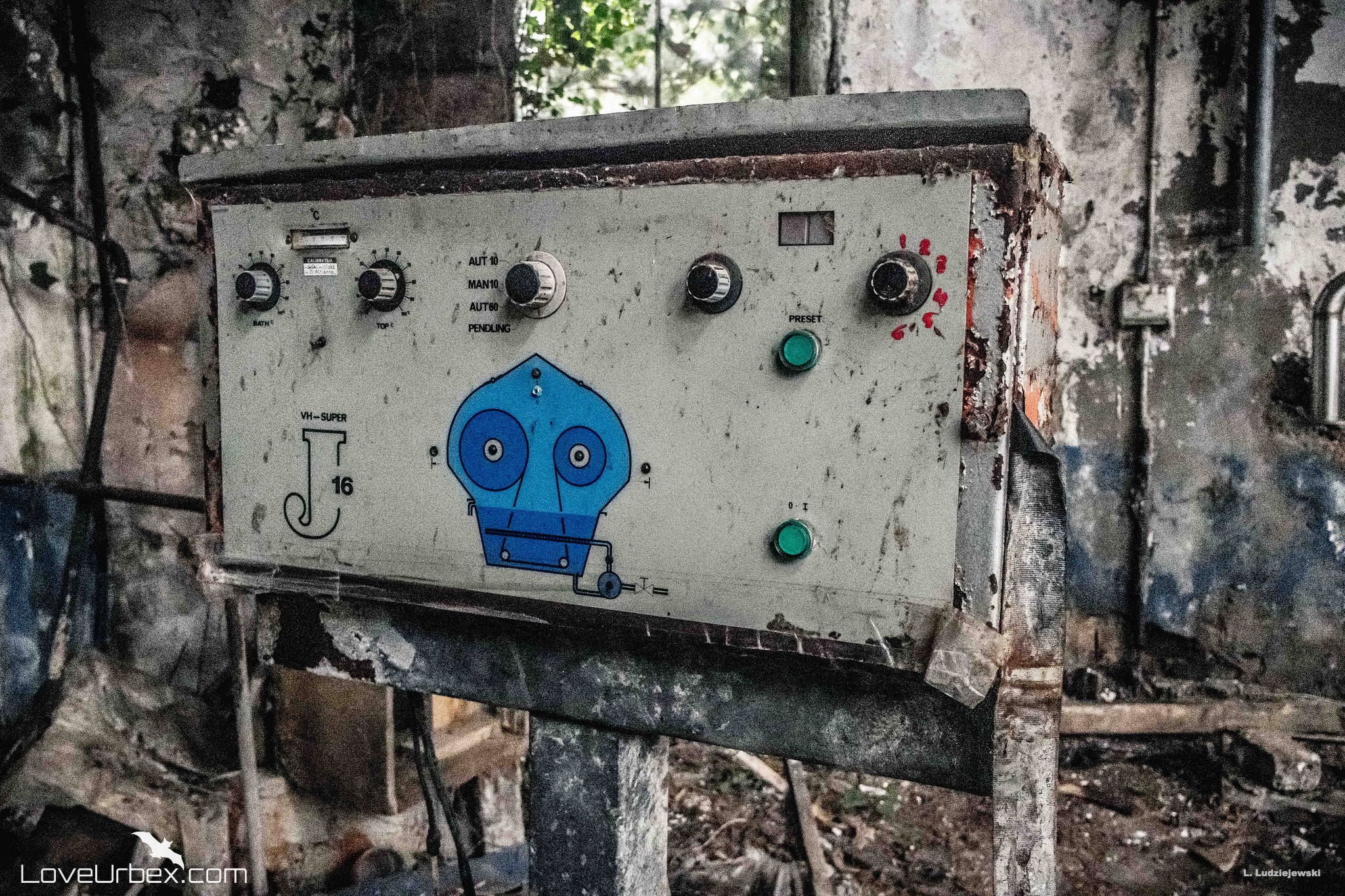
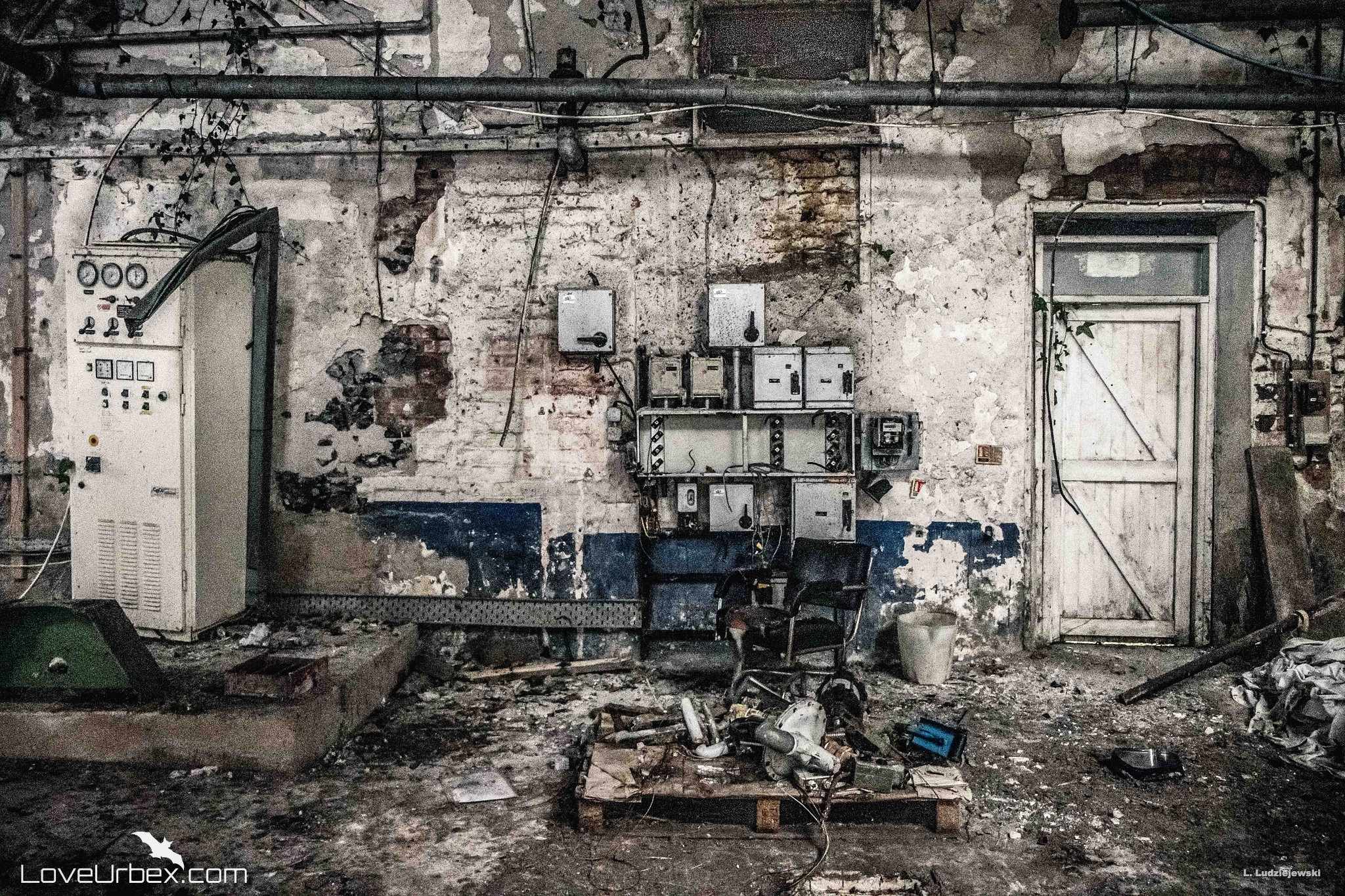
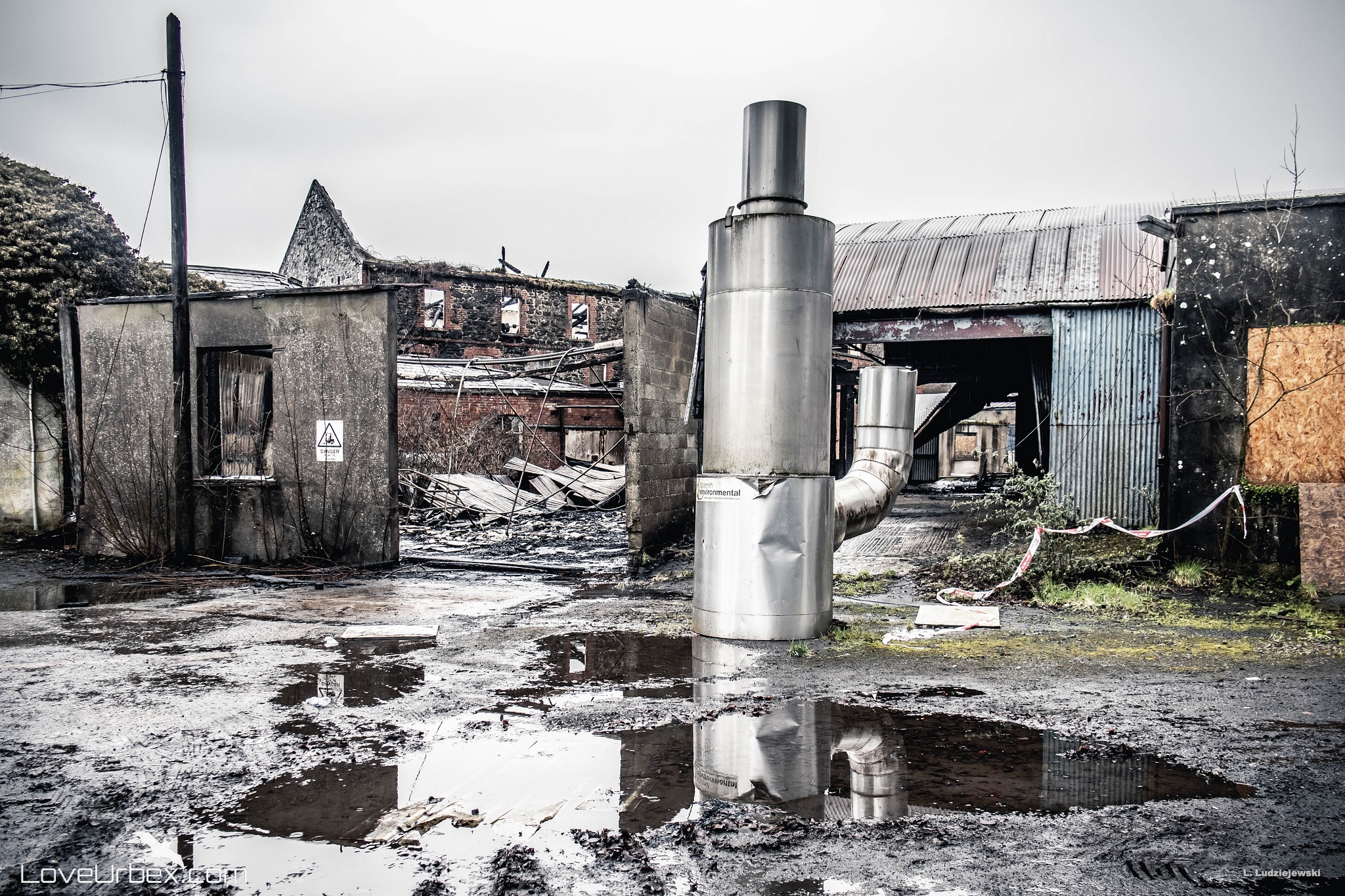
The derelict ruins of one of Northern Ireland’s most storied linen mills stand as a poignant reminder of a once-thriving industry that helped shape local communities for centuries. Founded back in the early 18th century, the mill was home to one of the world’s oldest linen fabric manufacturers, where the rare and traditional beetling process turned flax into flat, lustrous cloth using heavy water-powered hammers — a craft now critically endangered and intimately tied to the region’s heritage.
Despite its rich history, the mill struggled through decades of decline as global competition, changing markets and reduced demand took their toll. After nearly 300 years of producing cloth and supporting local families, the company that once operated there entered liquidation at the end of 2024, with the remaining workforce made redundant and operations coming to an end.
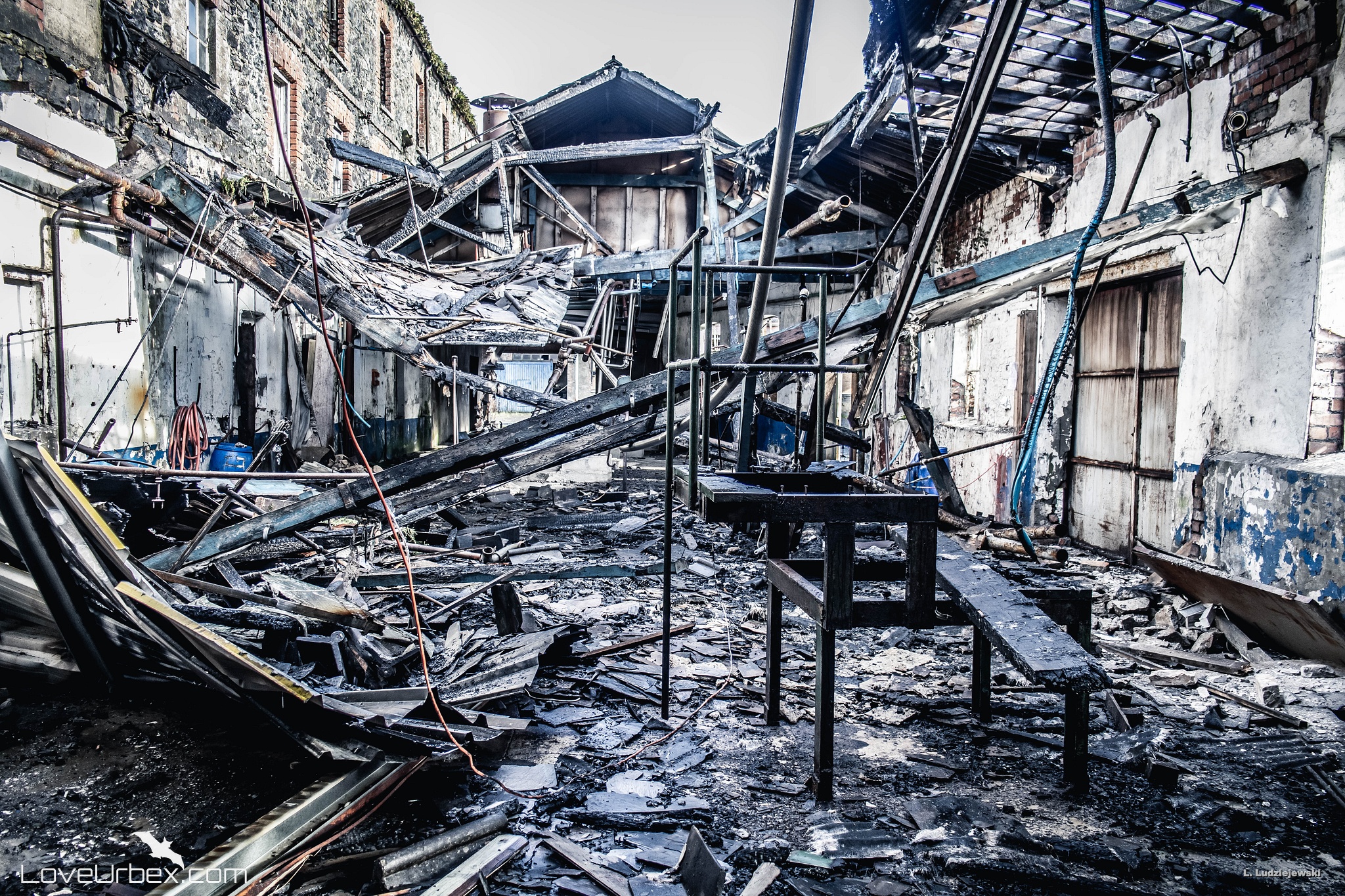
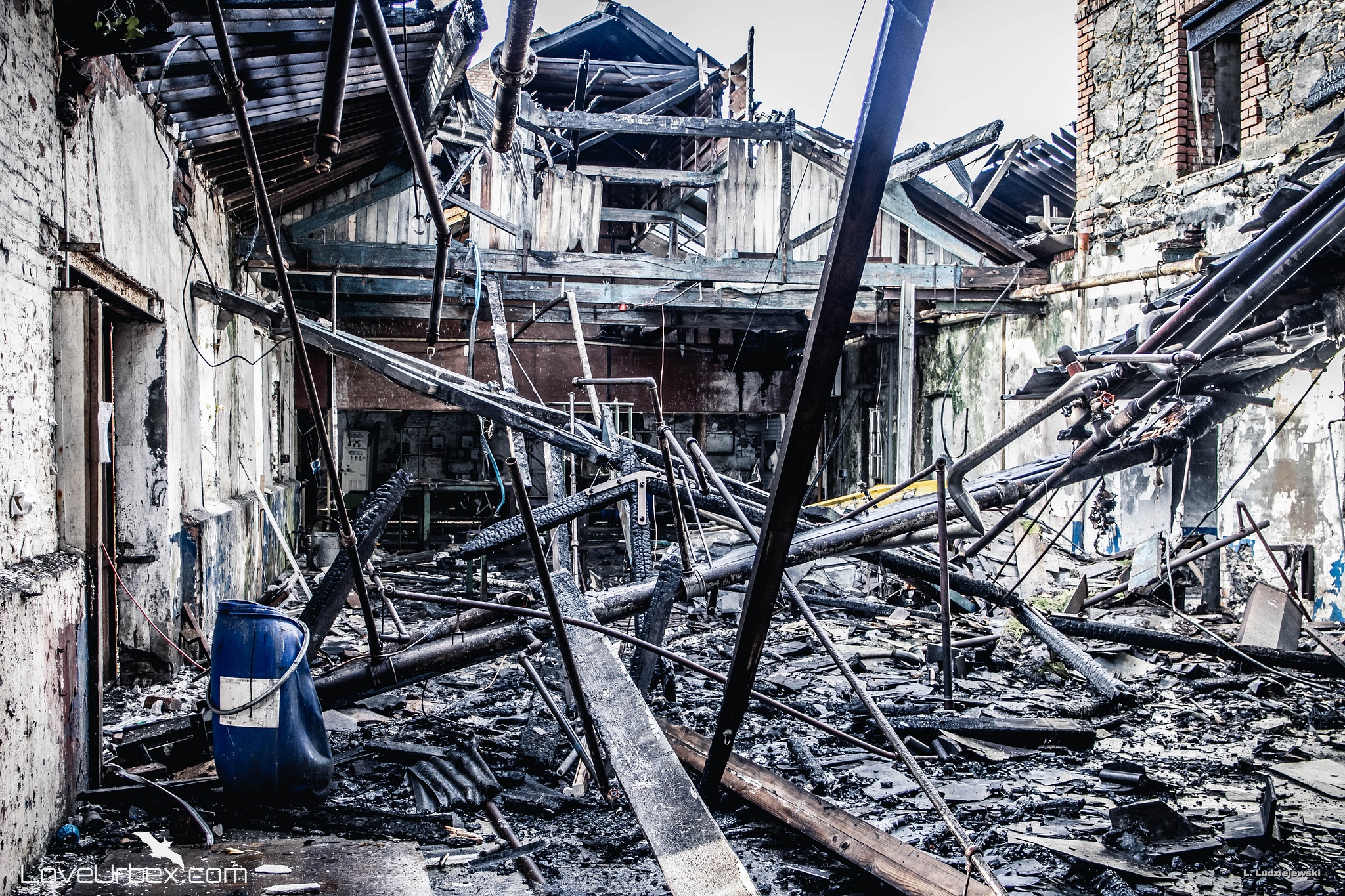
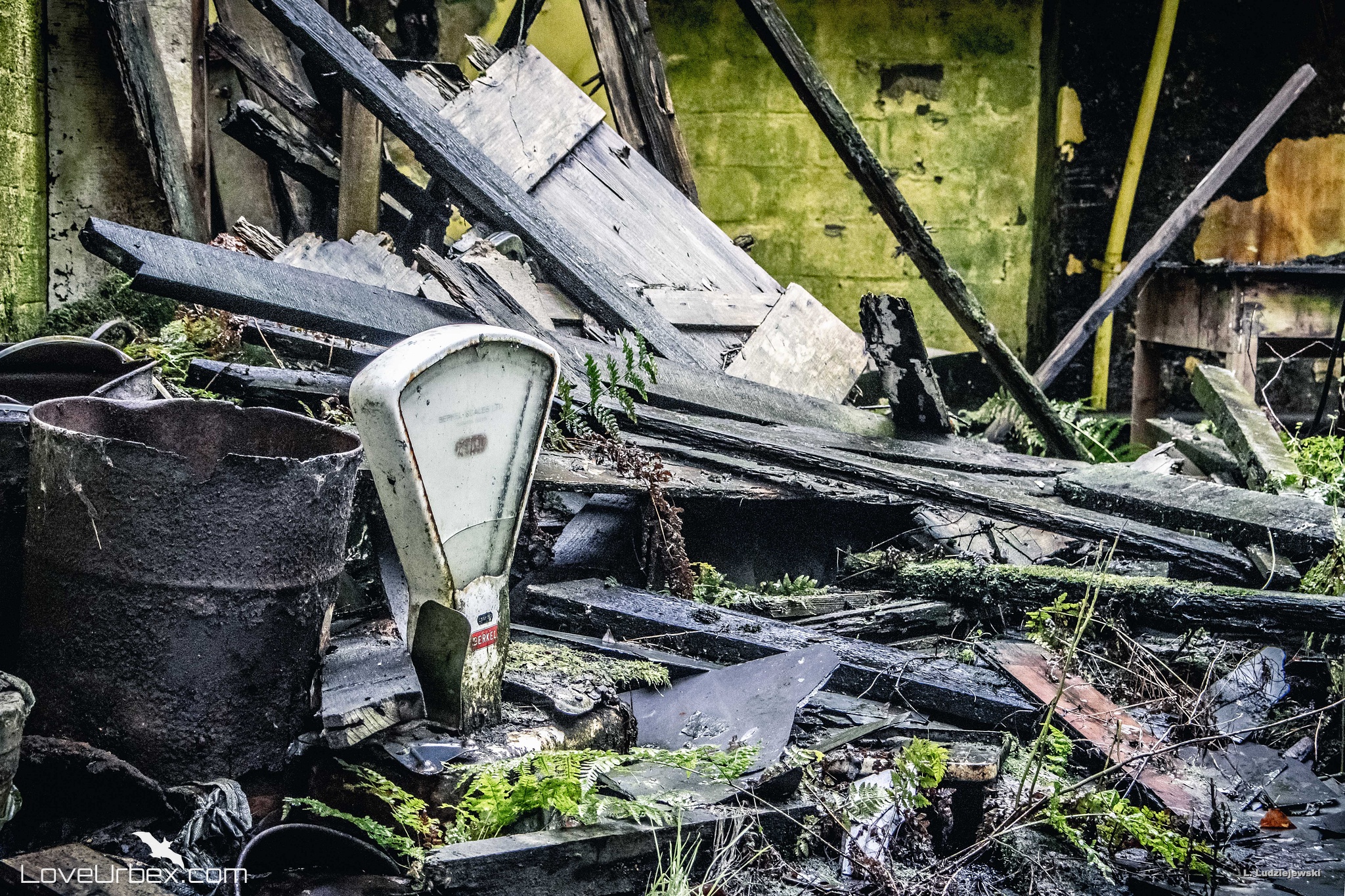
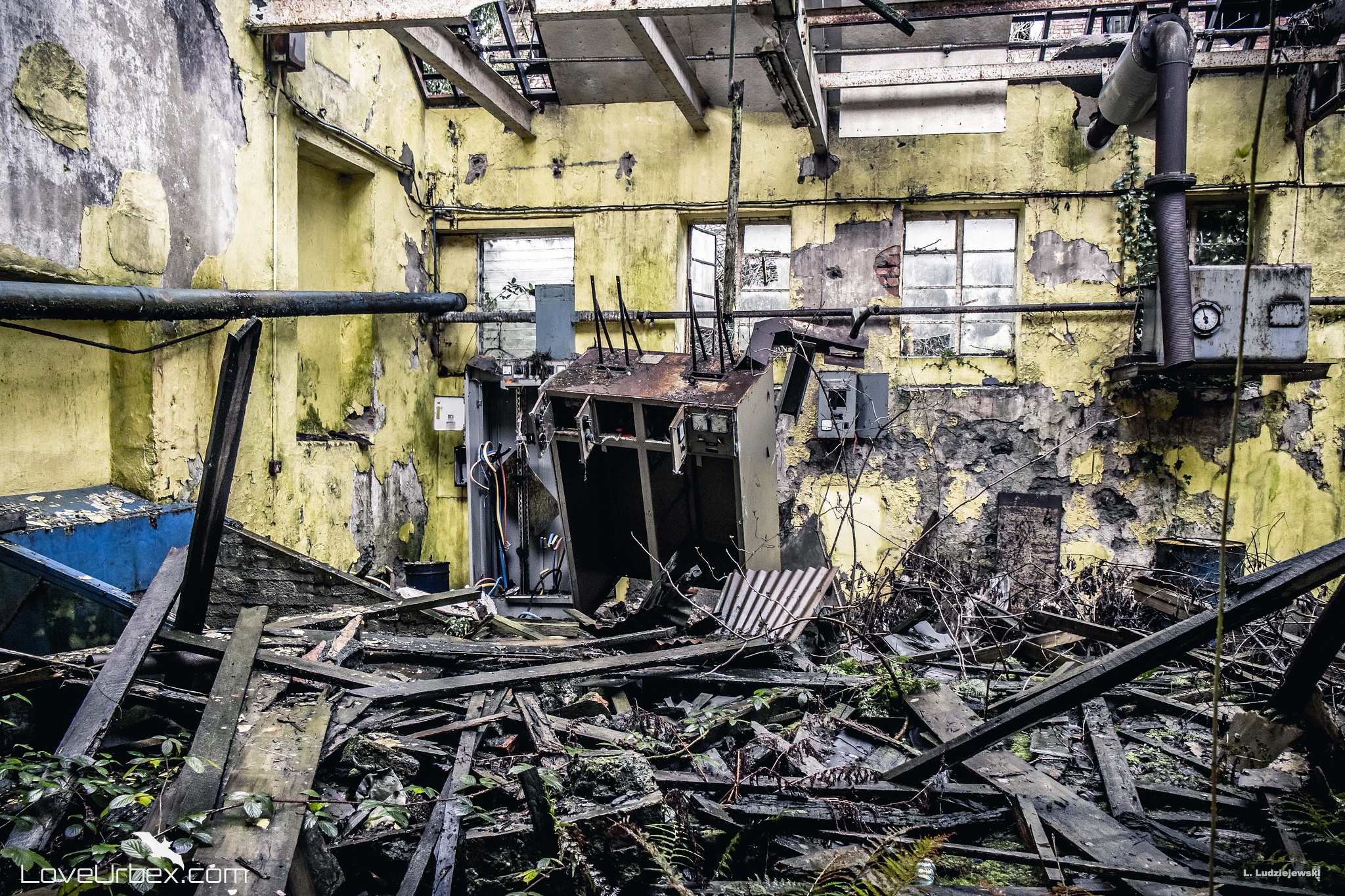
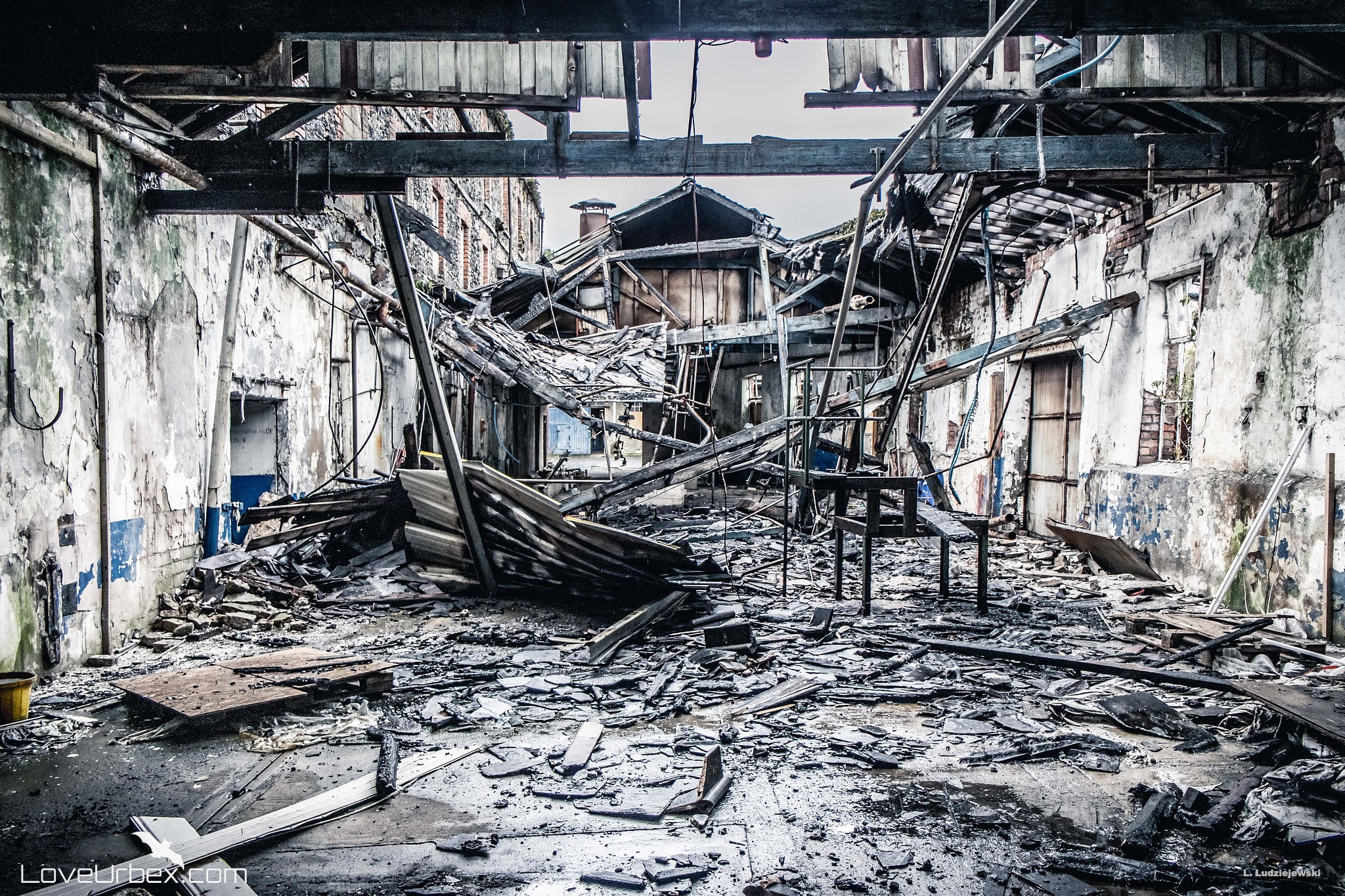
The site has suffered major fire damage more than once. In 2017, a blaze destroyed a 150-year-old mill building, a dramatic chapter in its long history that, at the time, was confined to only part of the complex but nonetheless a significant loss. In February 2026, another large fire broke out in a derelict structure on the old mill grounds. Fire crews worked for hours to bring the blaze under control, with over 50 firefighters attending; the incident, believed to be deliberate ignition, dealt another blow to what remains of the industrial heritage there.
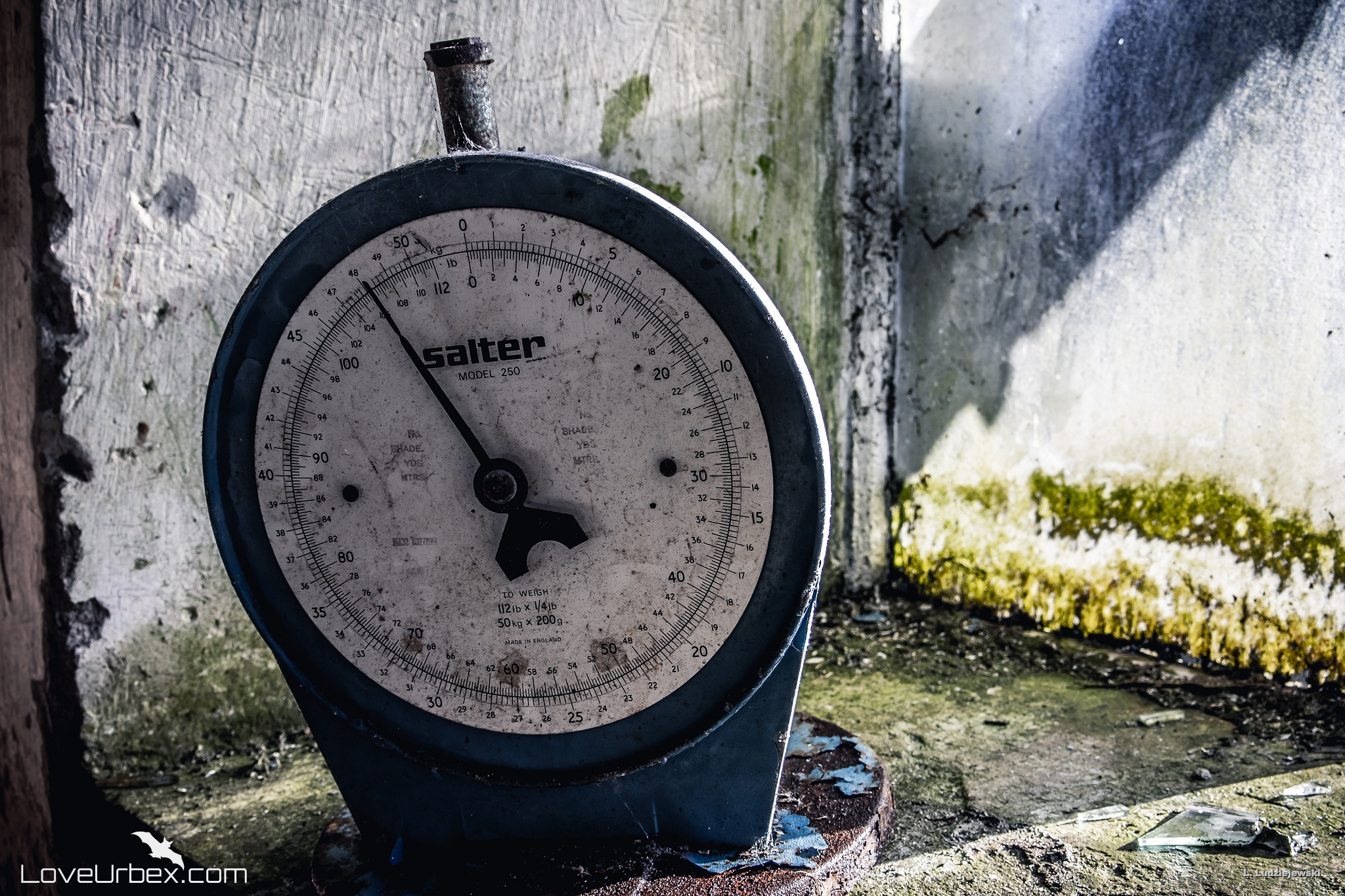
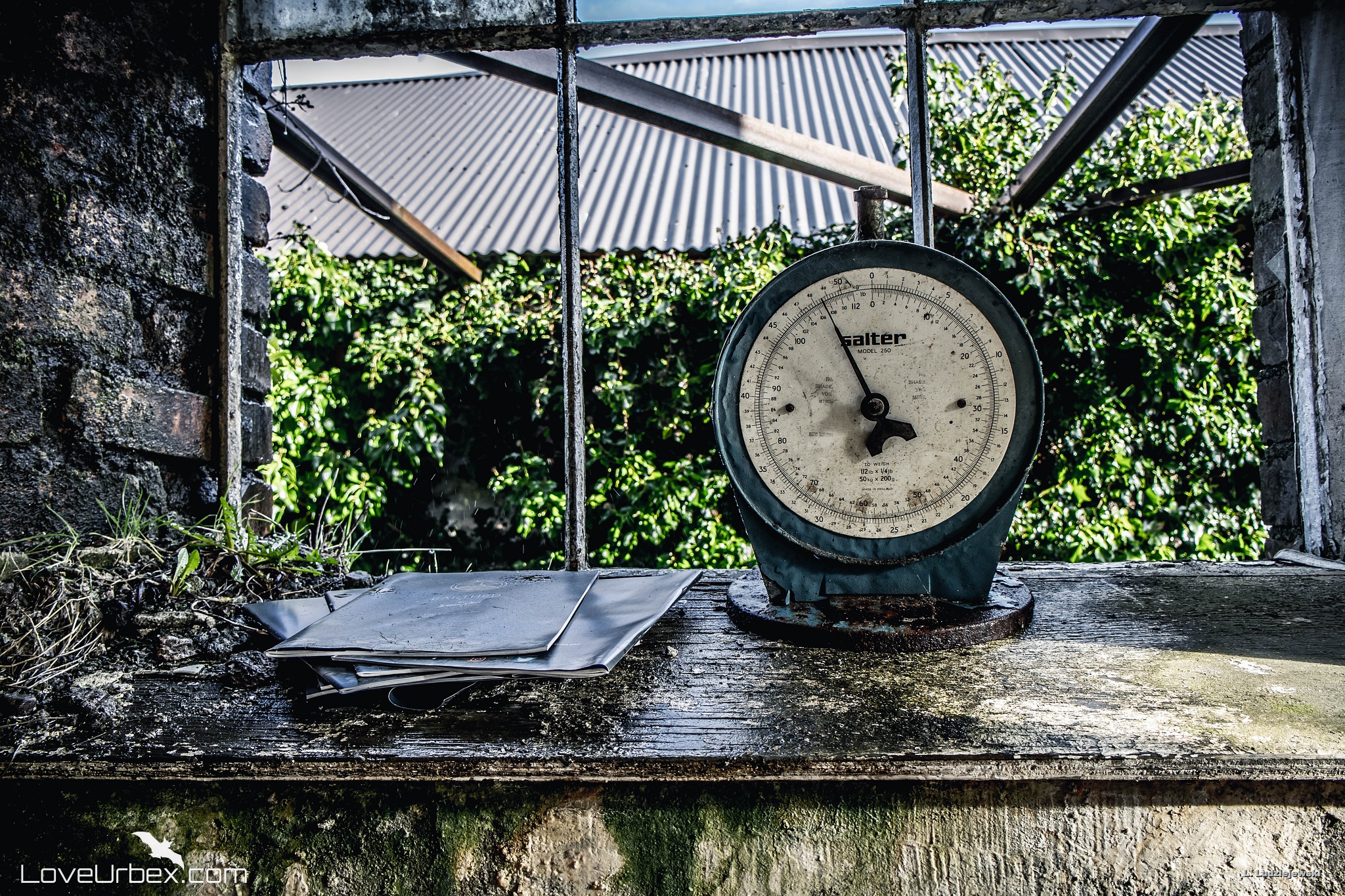
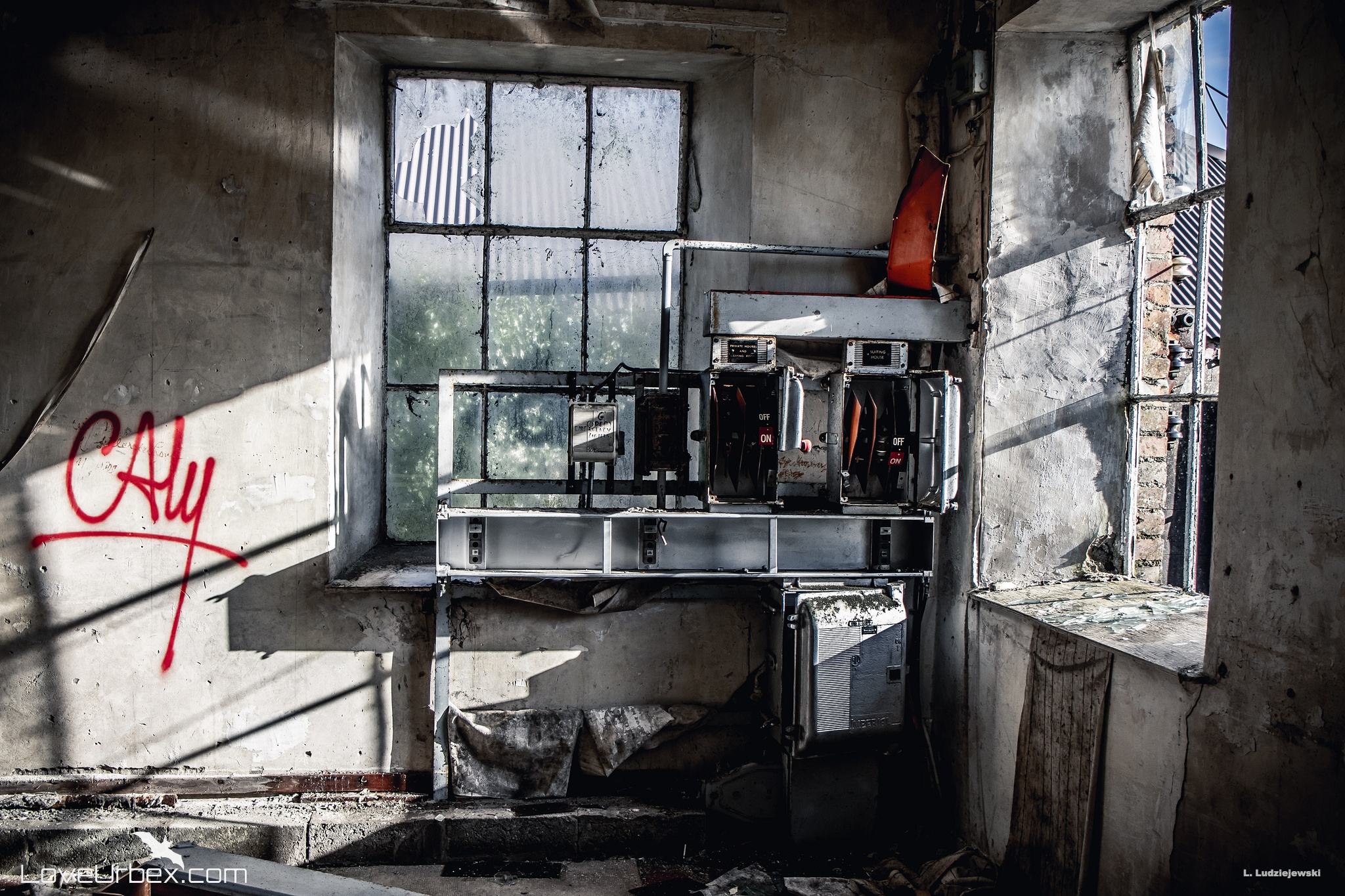
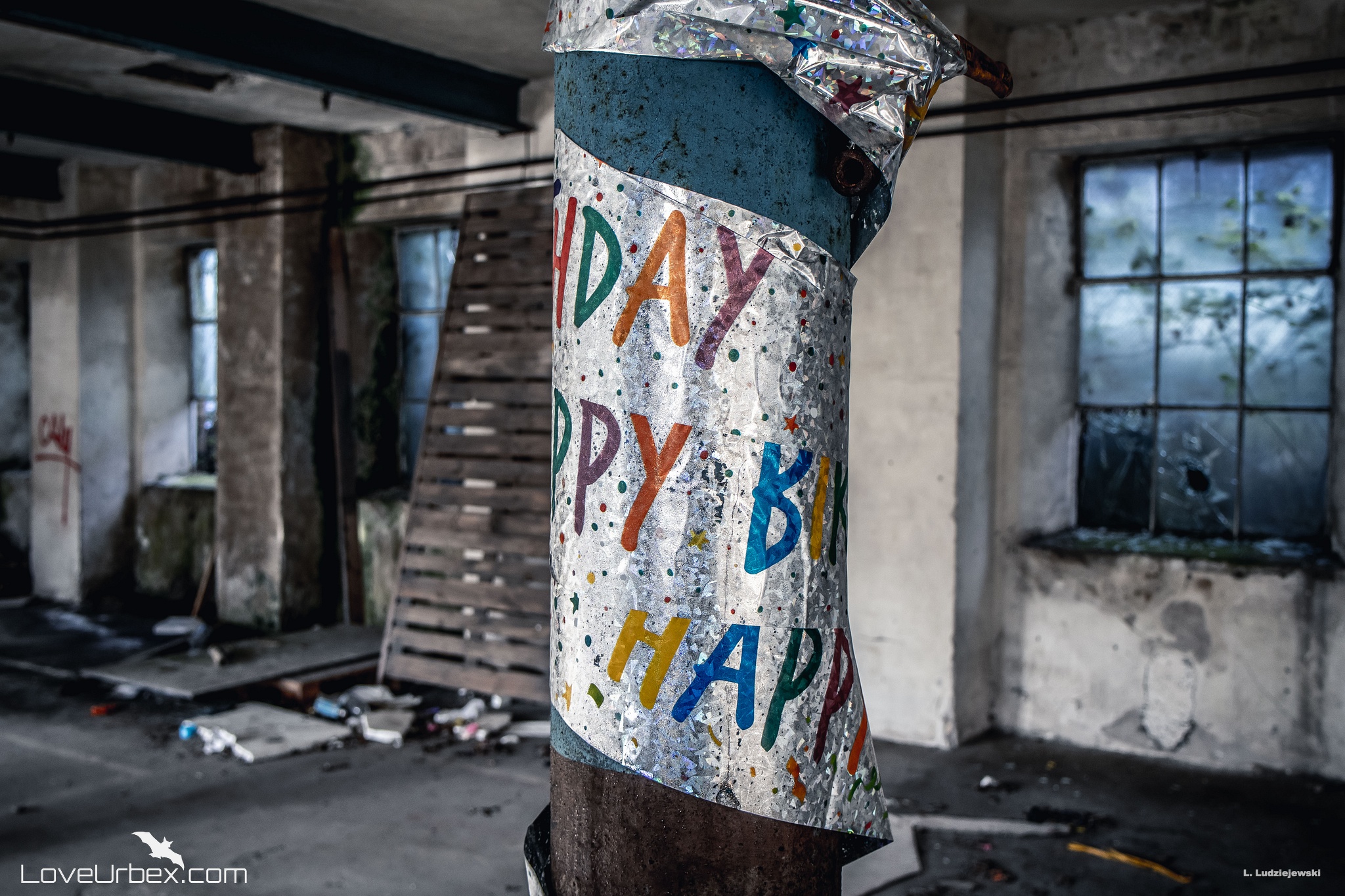
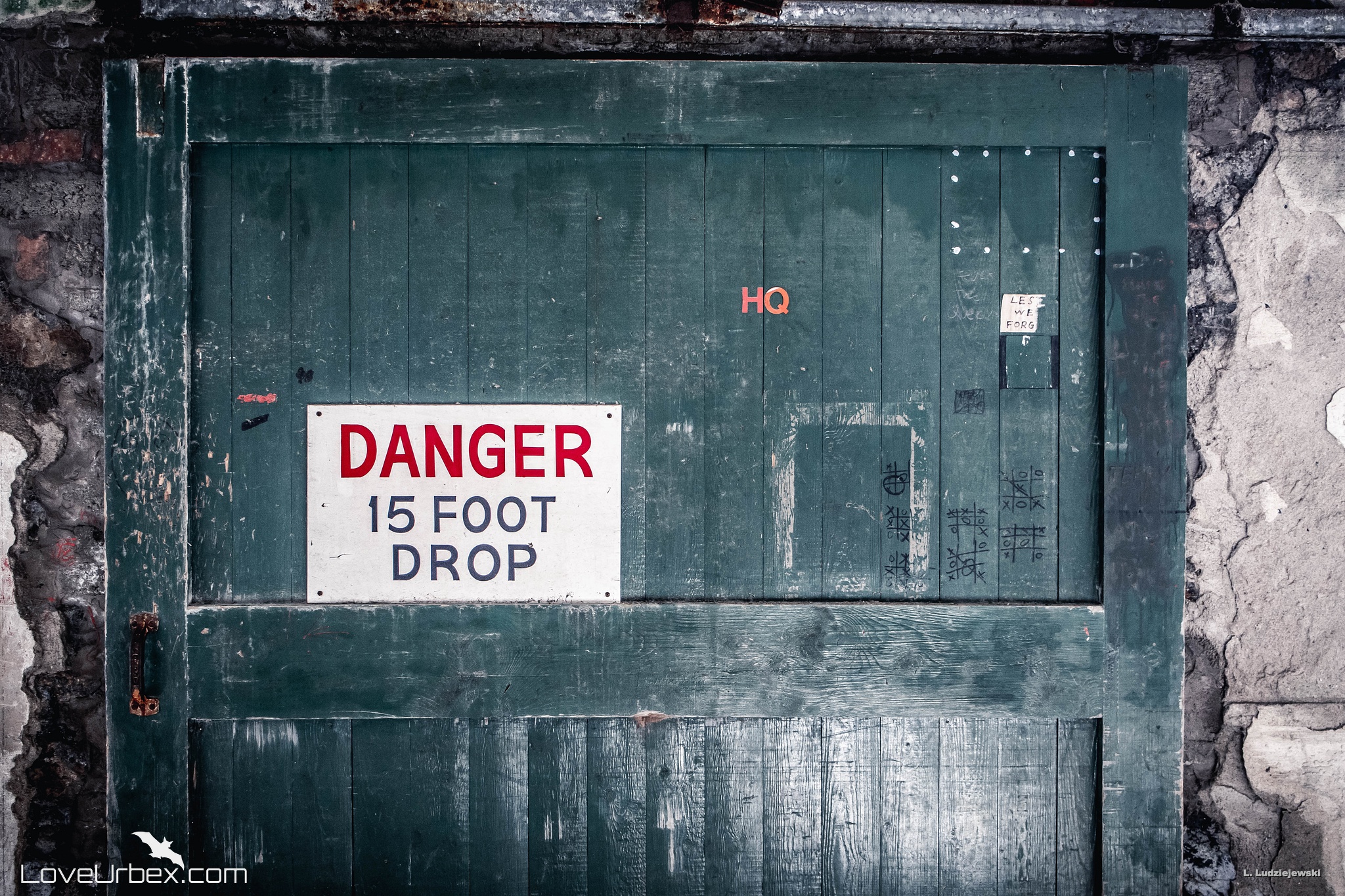
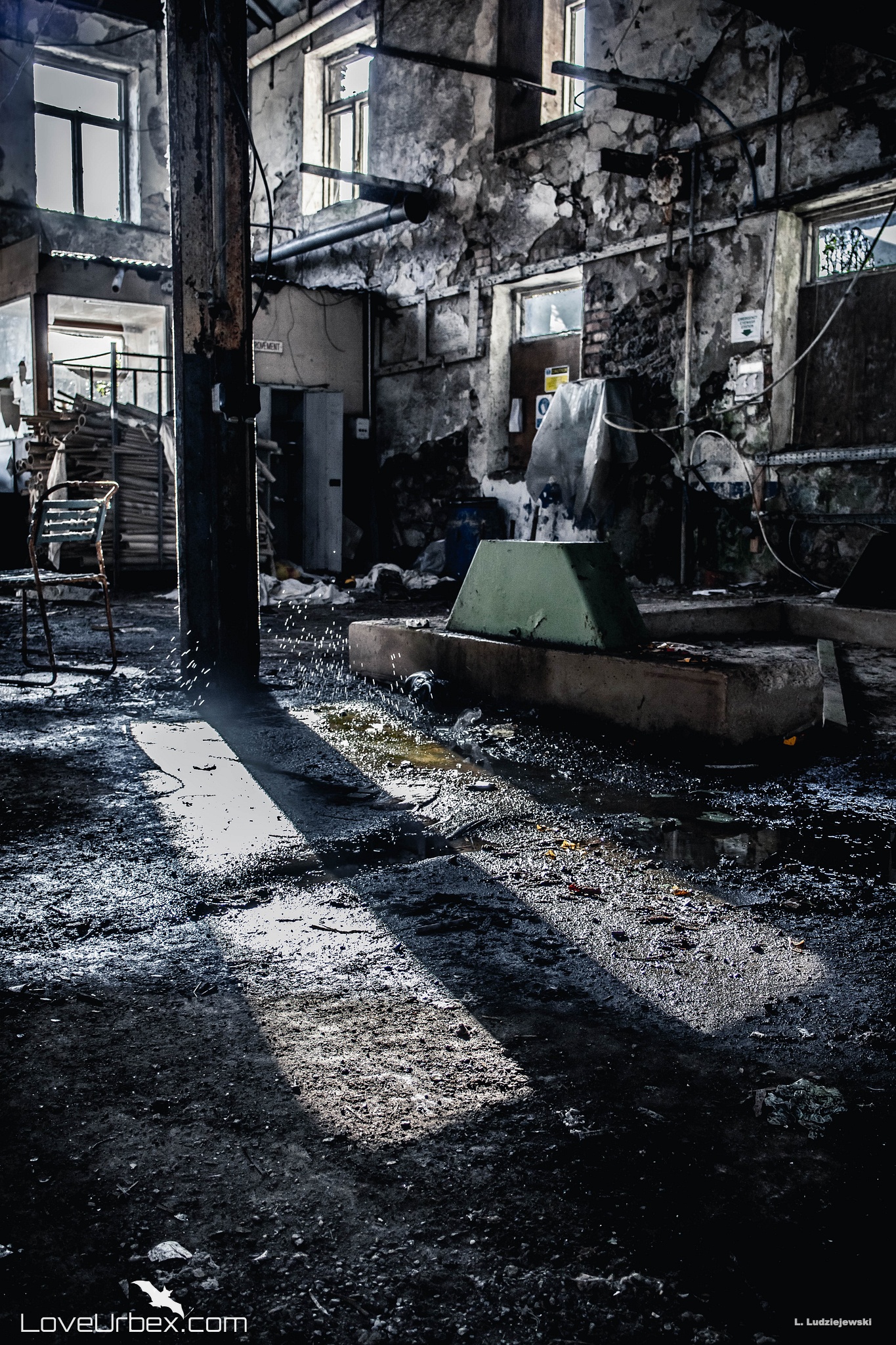
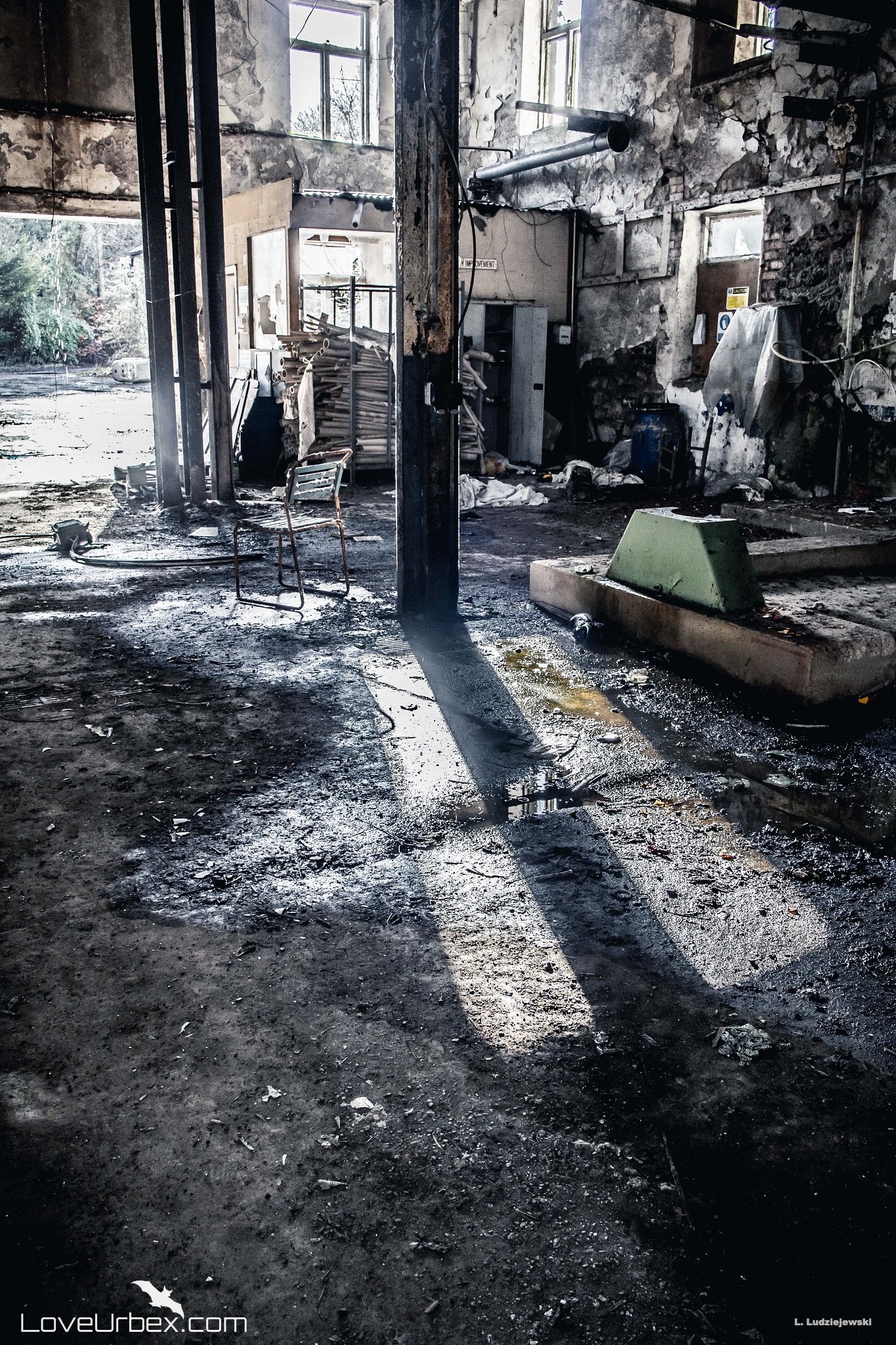
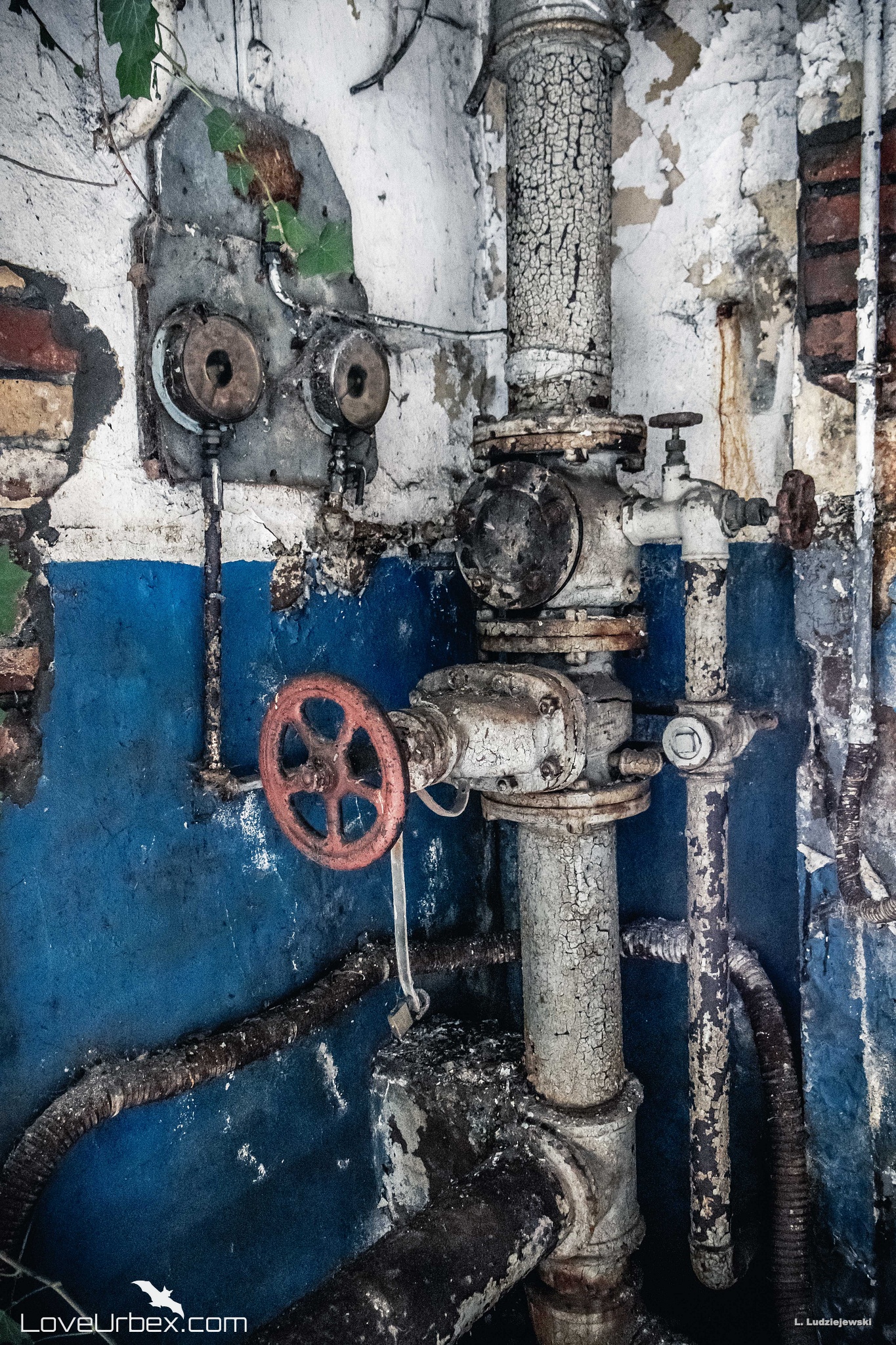
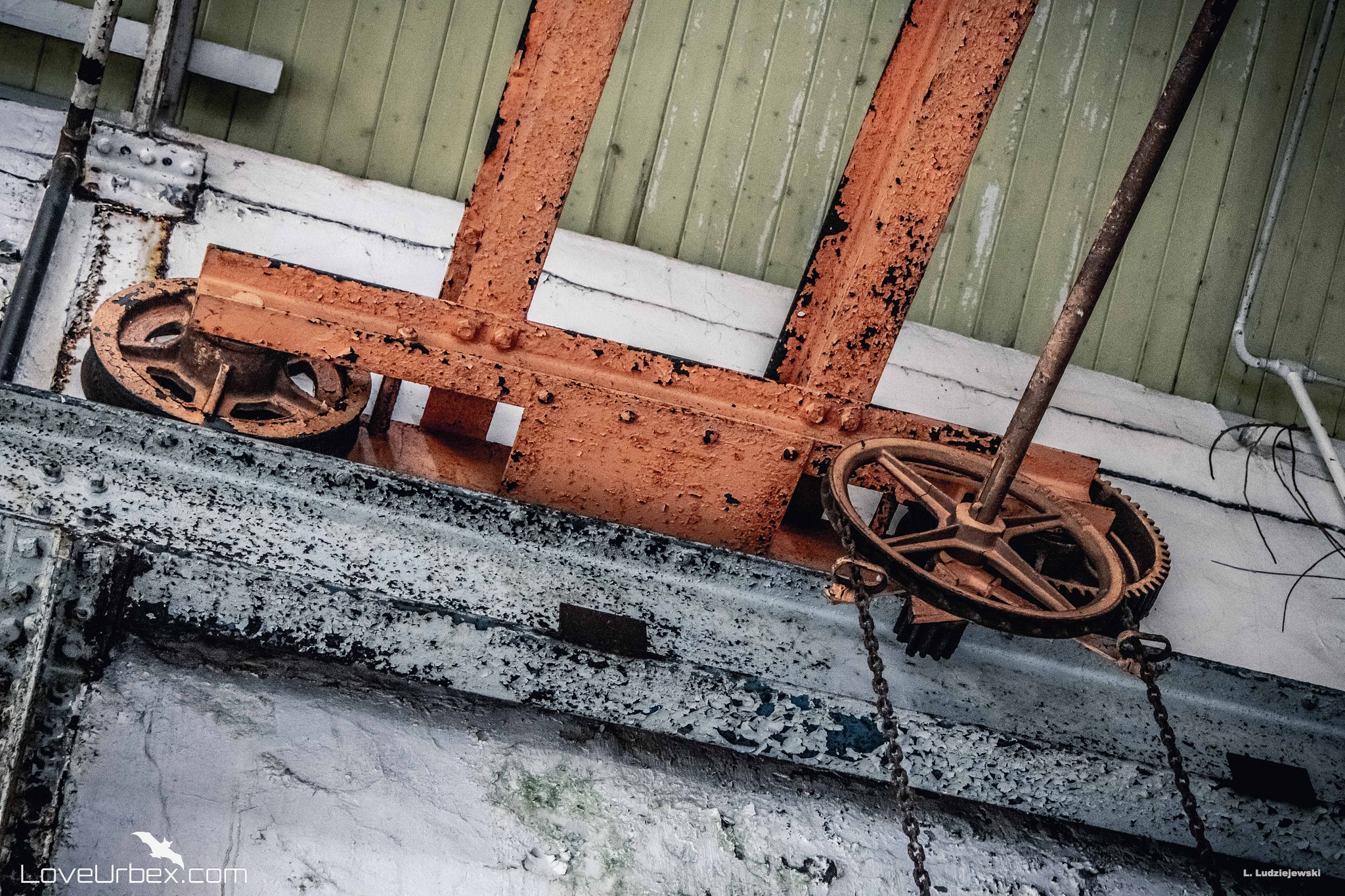
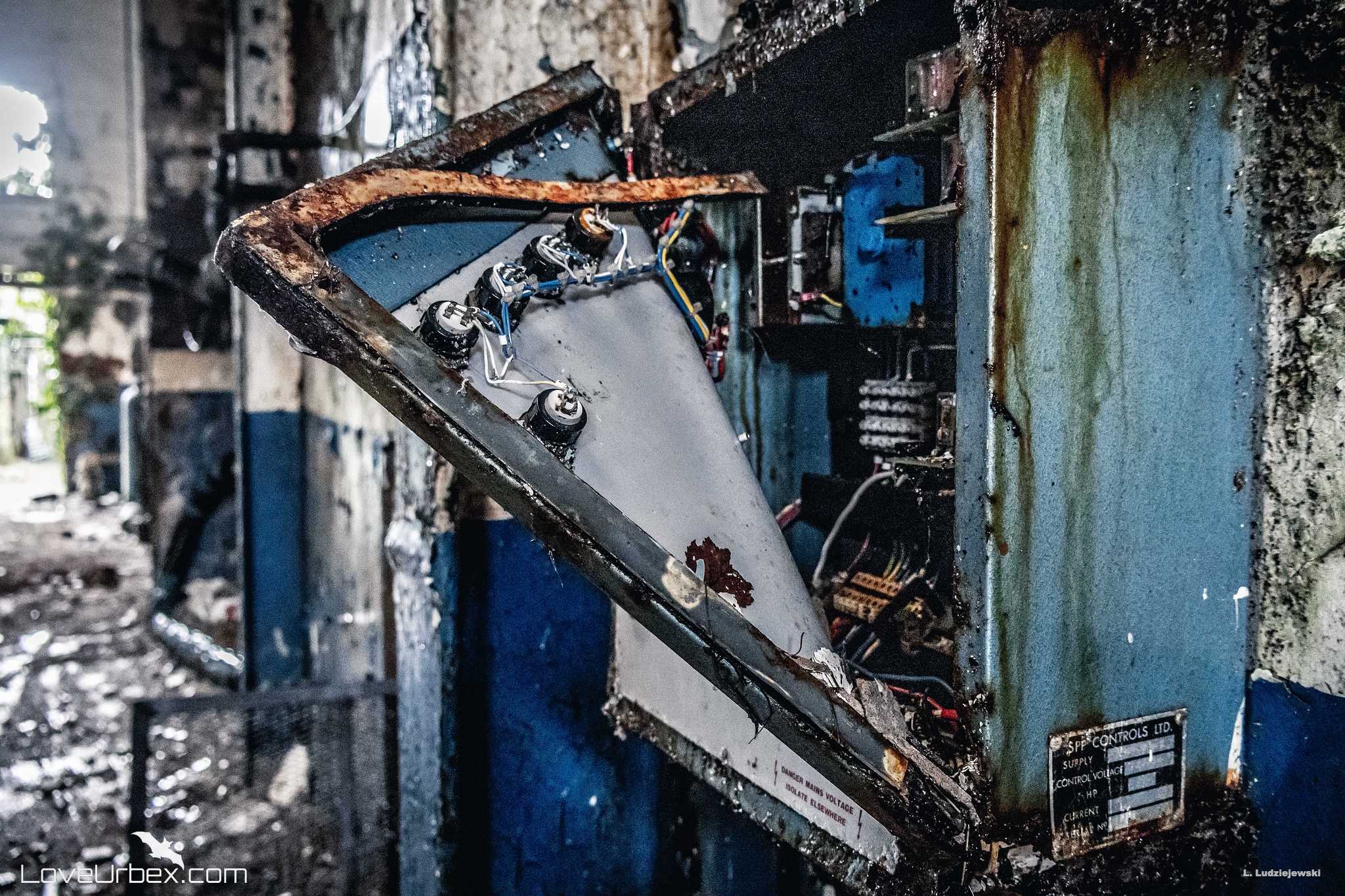
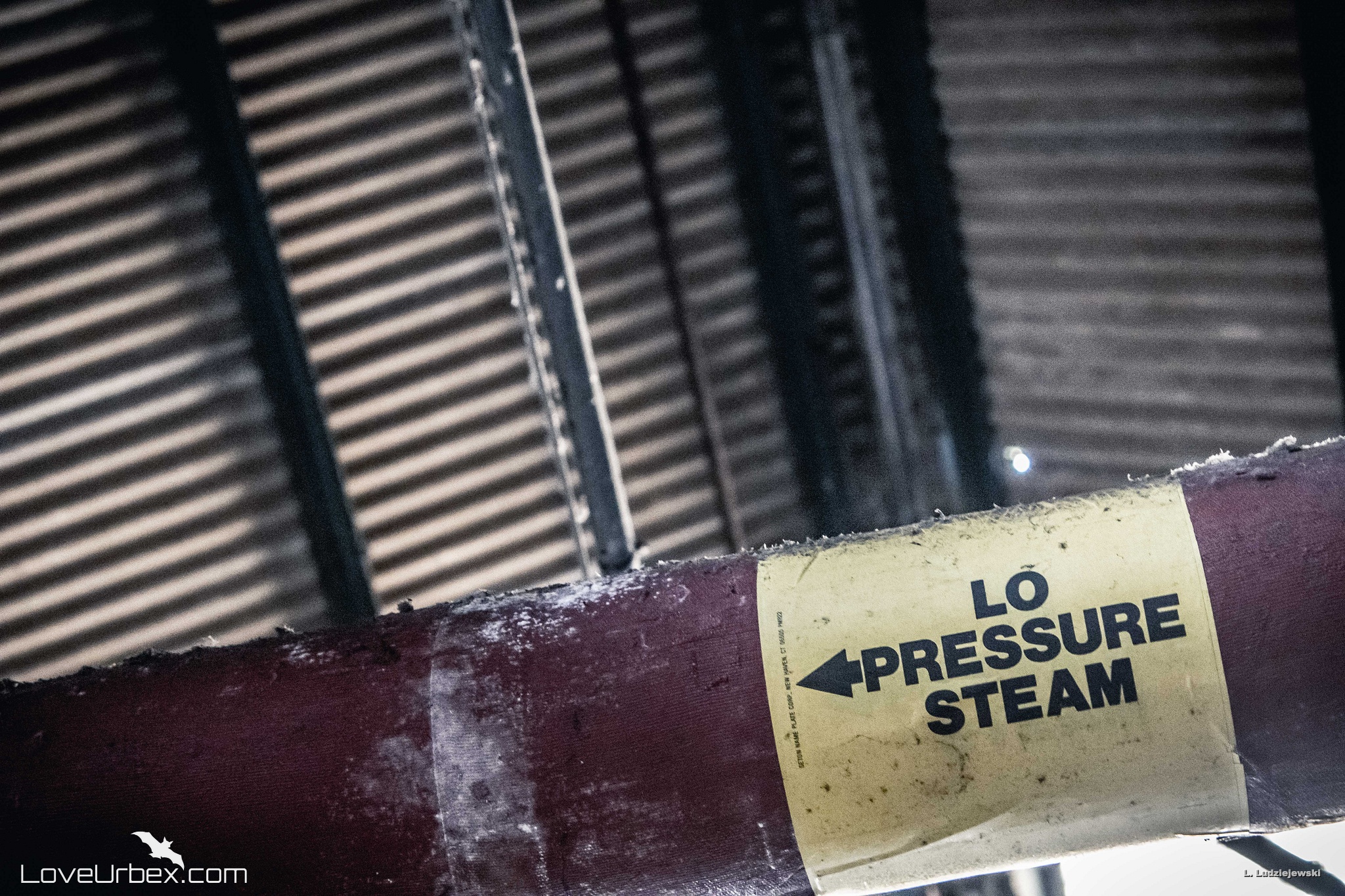
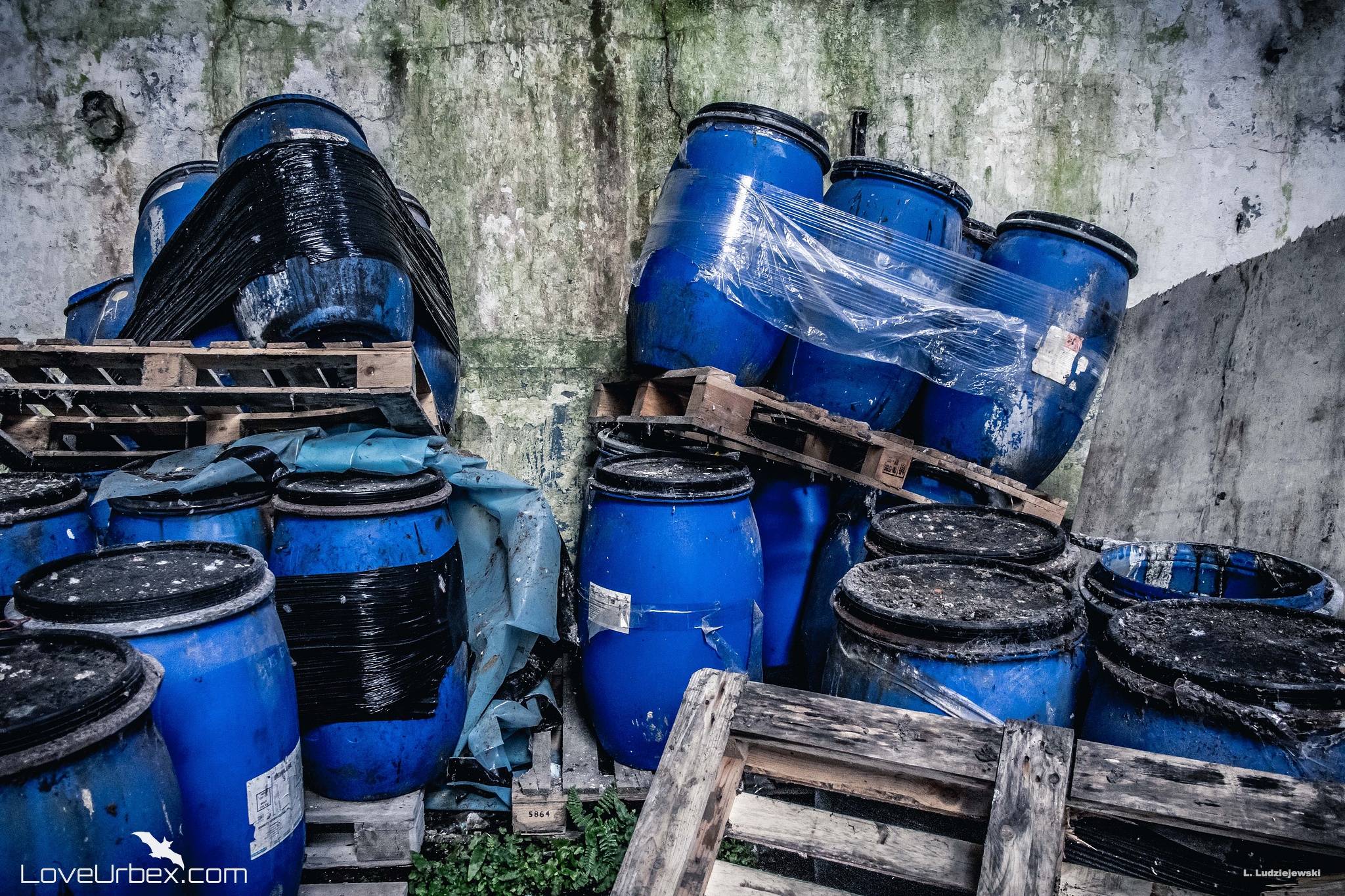
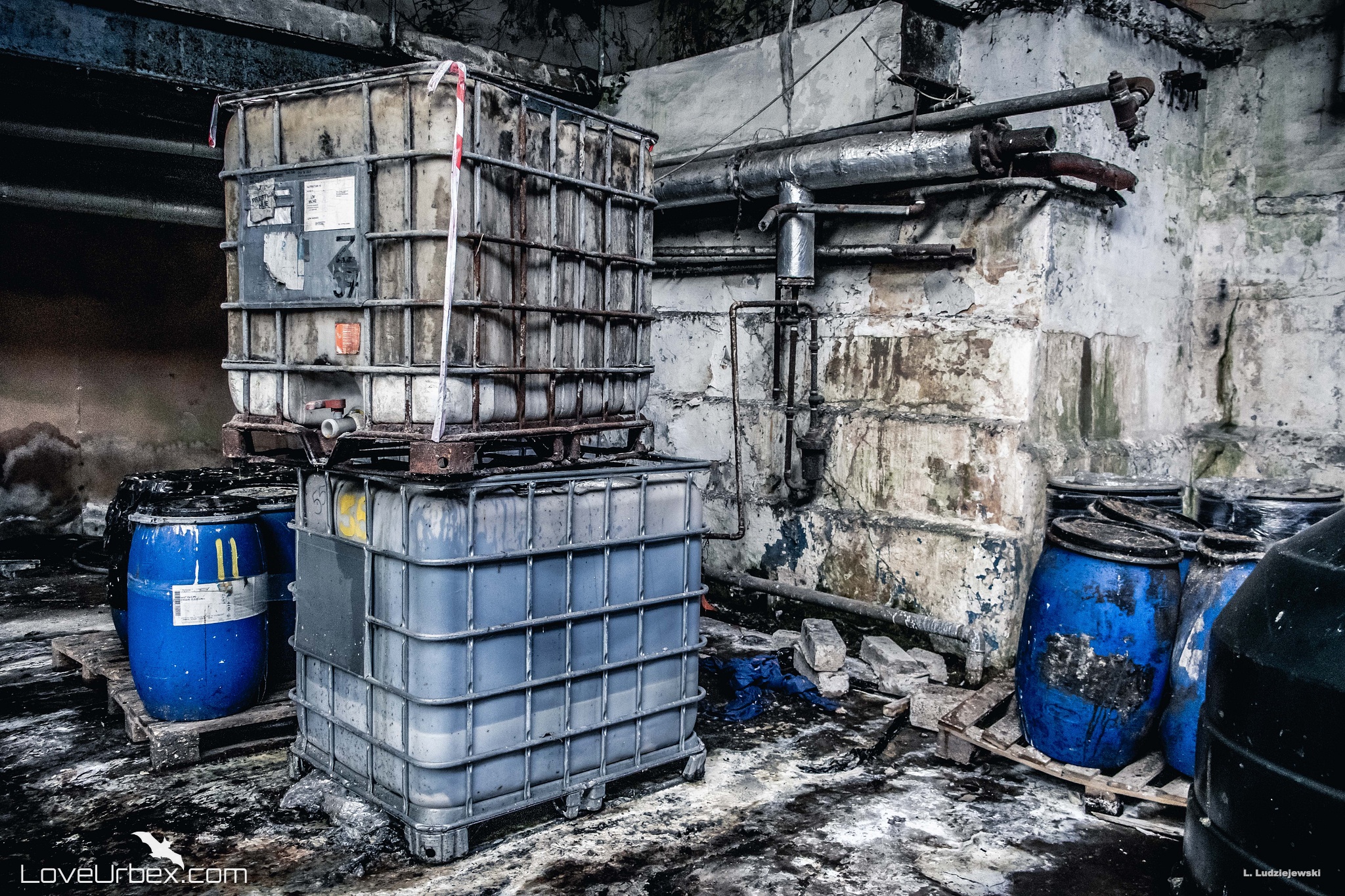
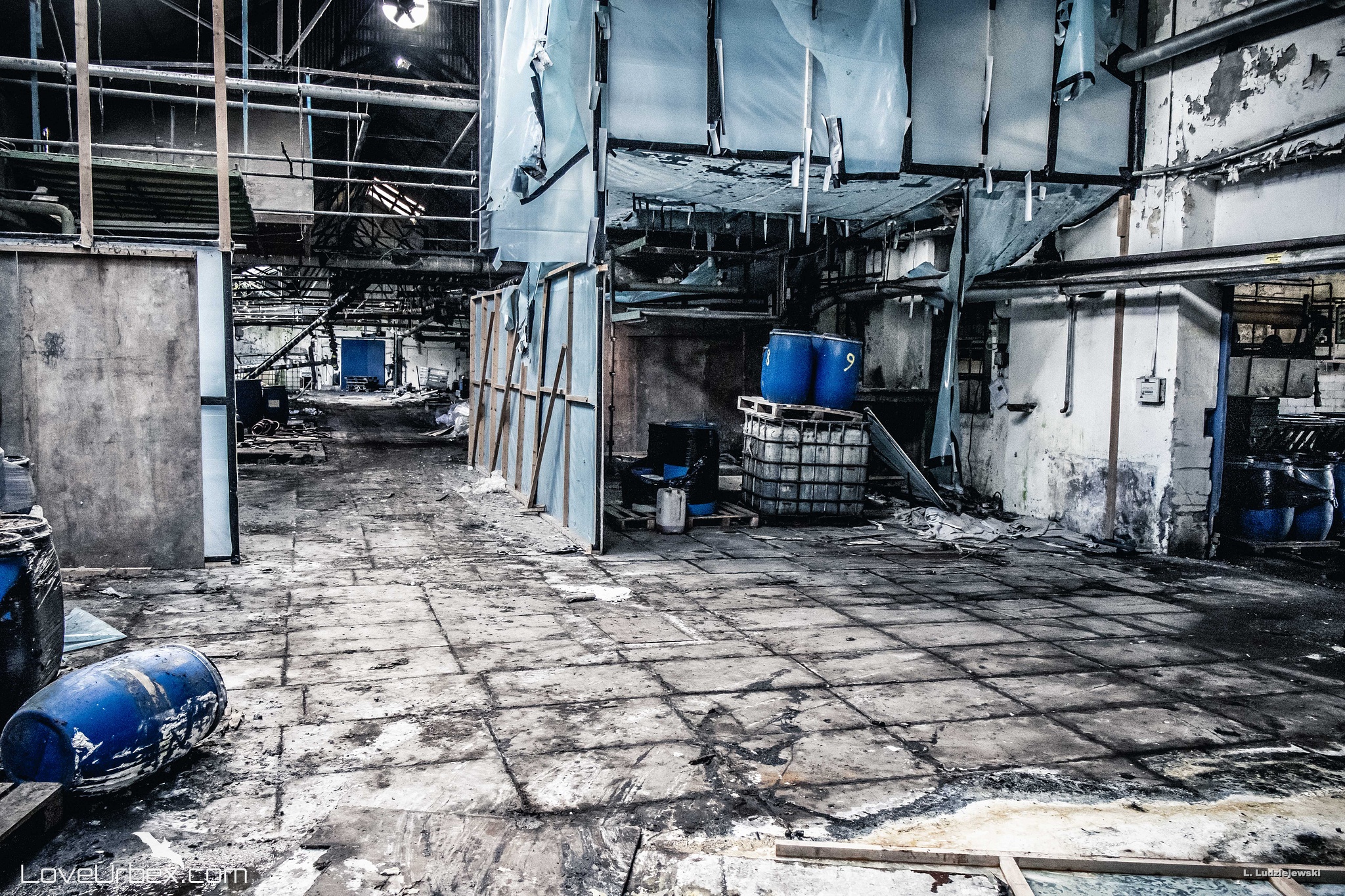
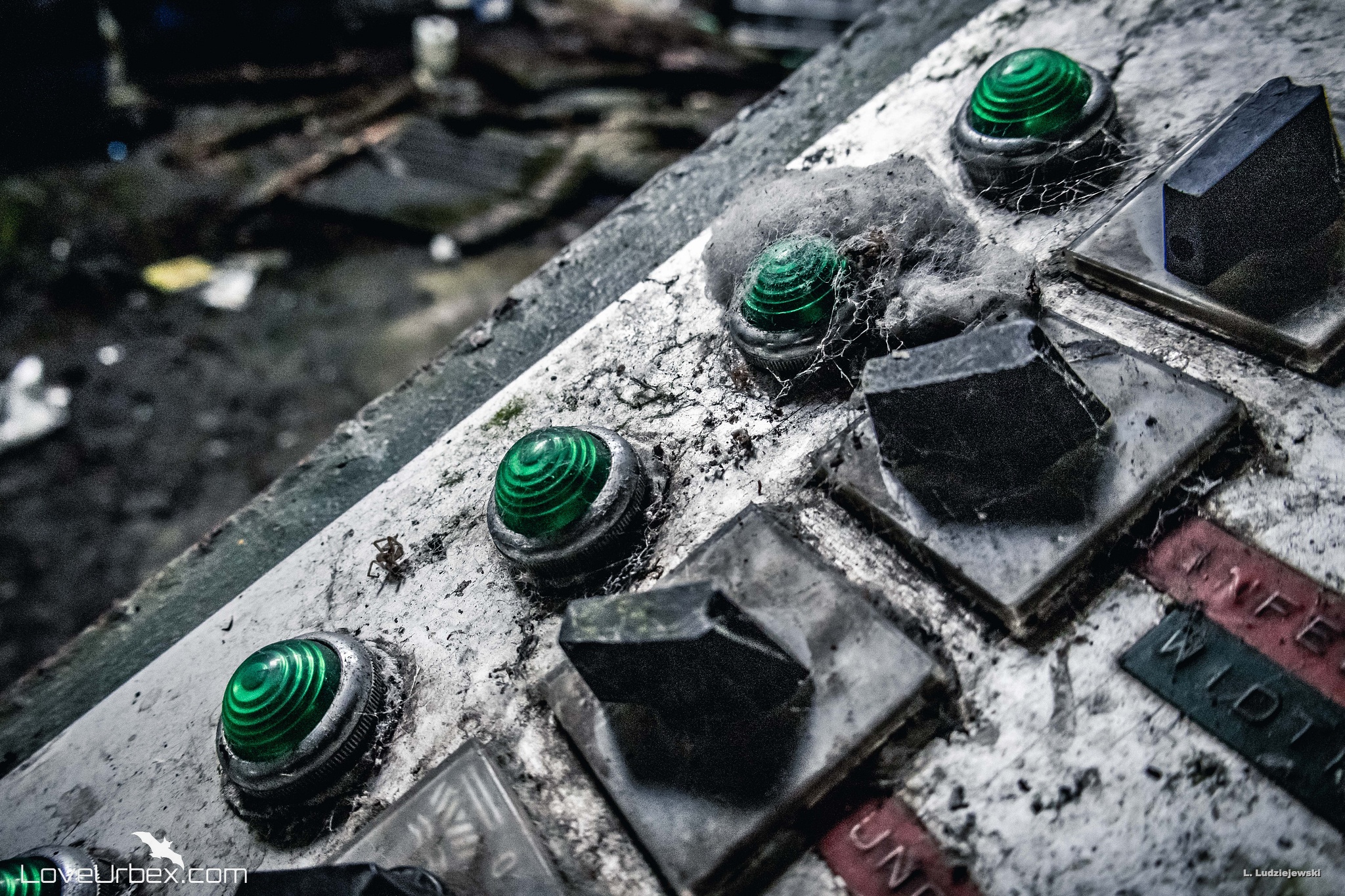
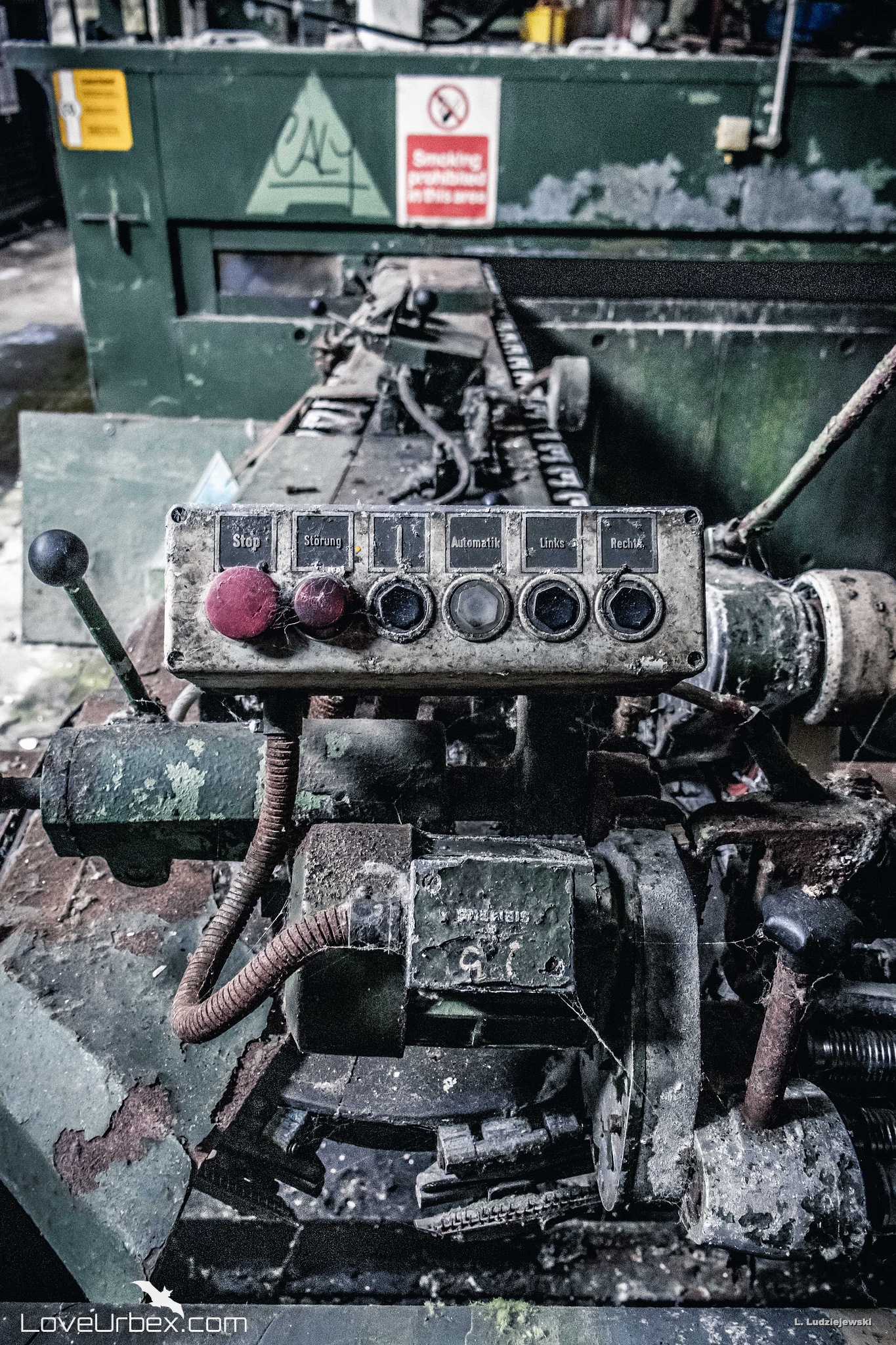
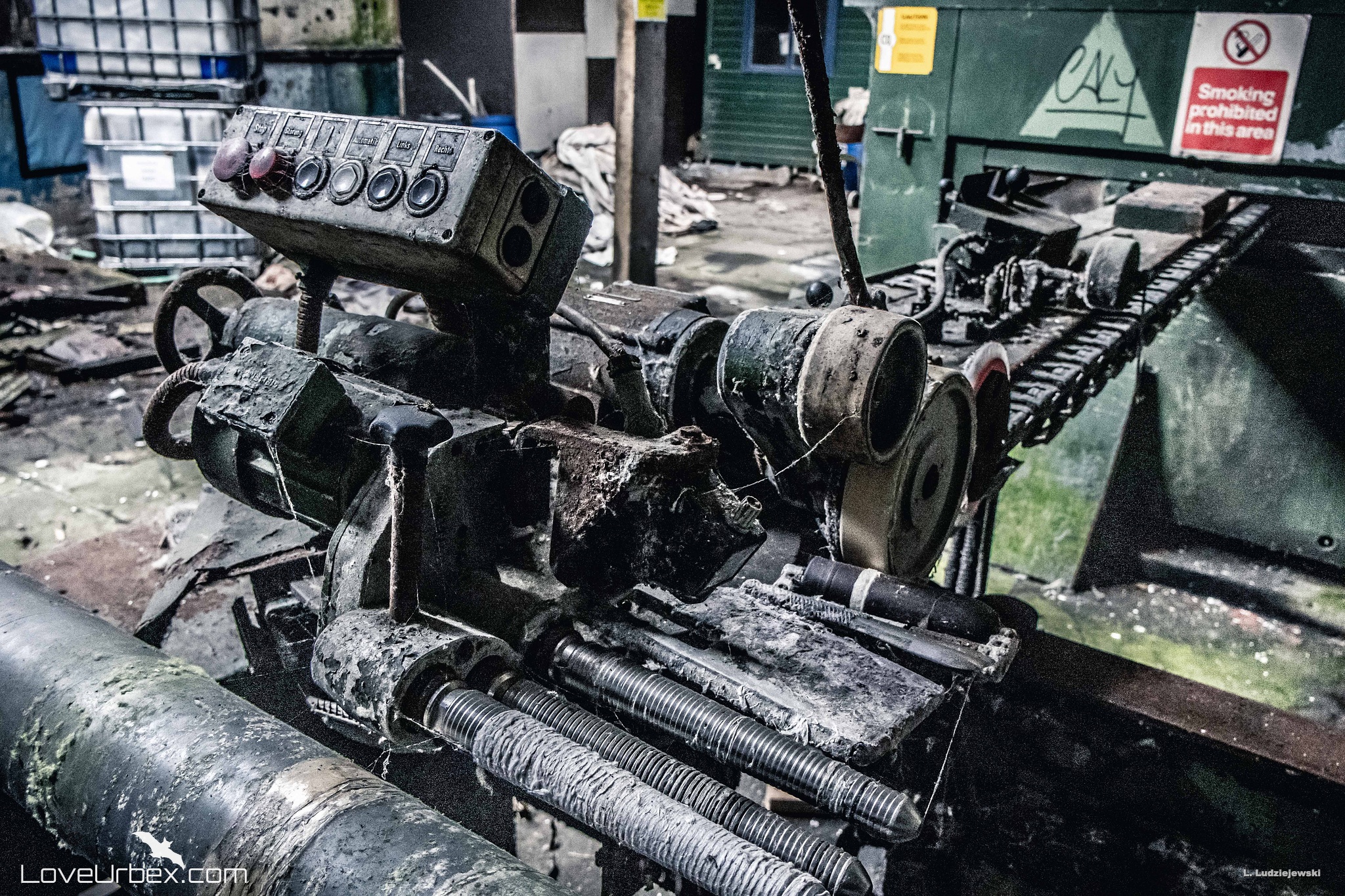
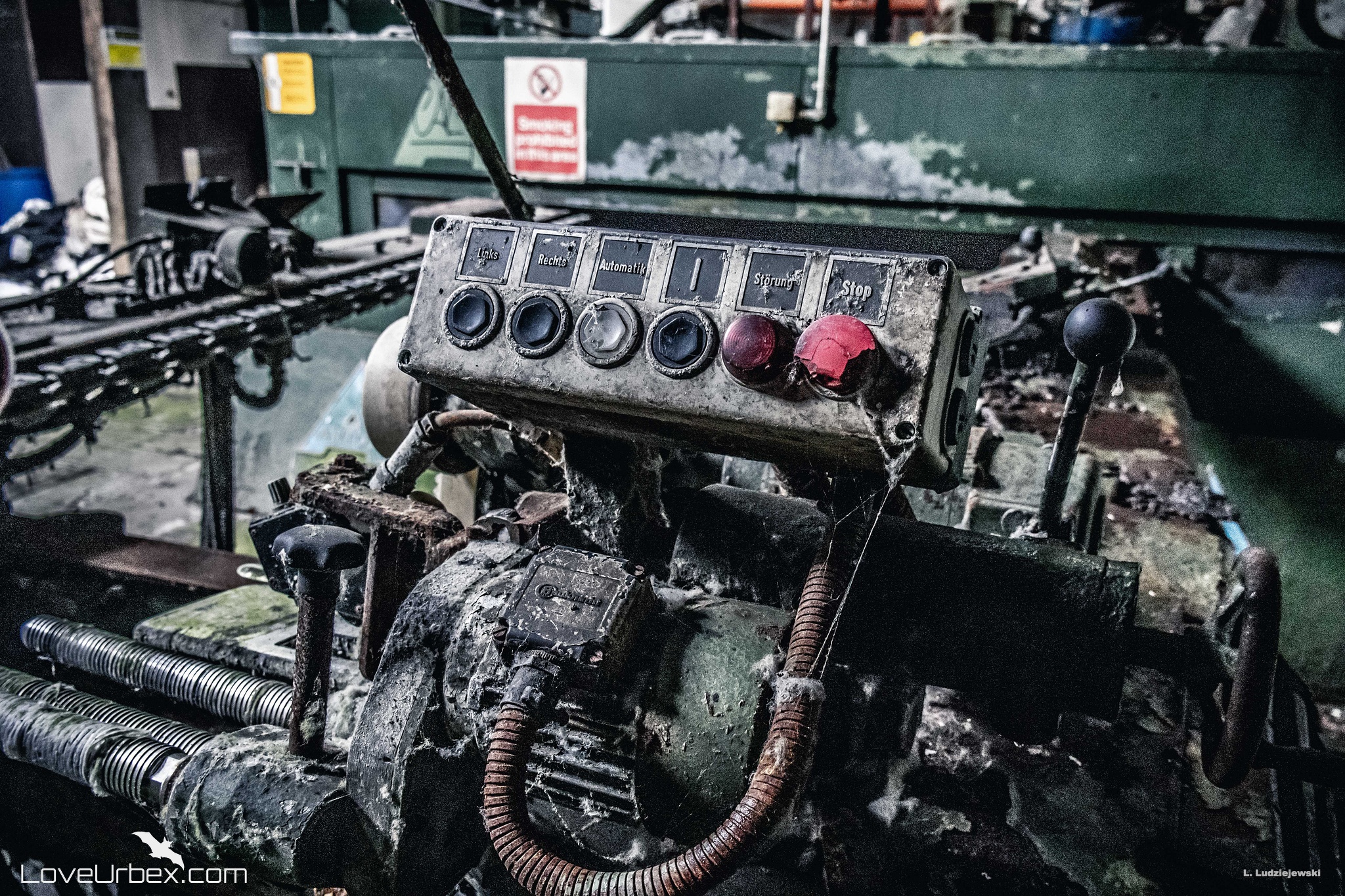
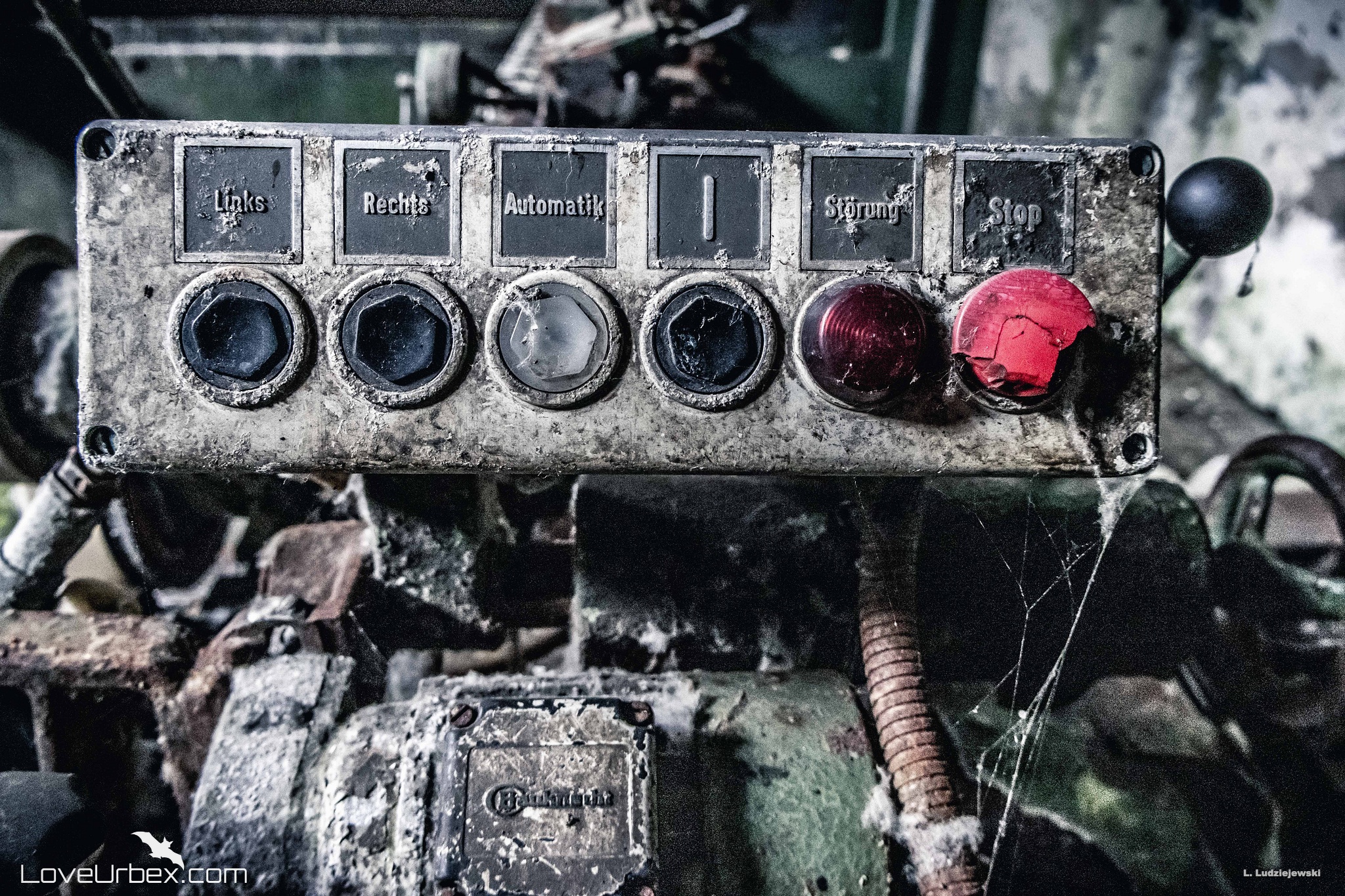
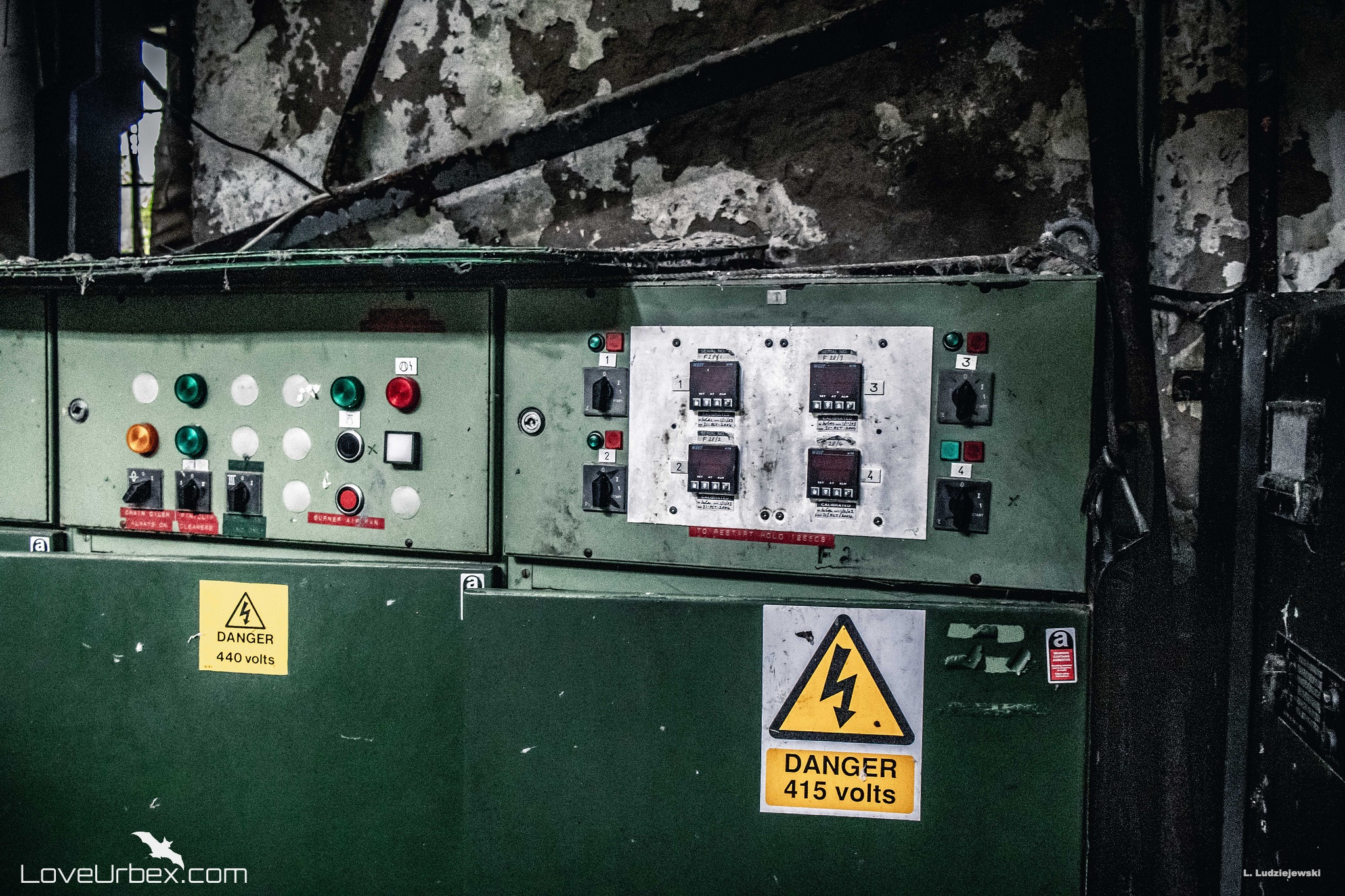
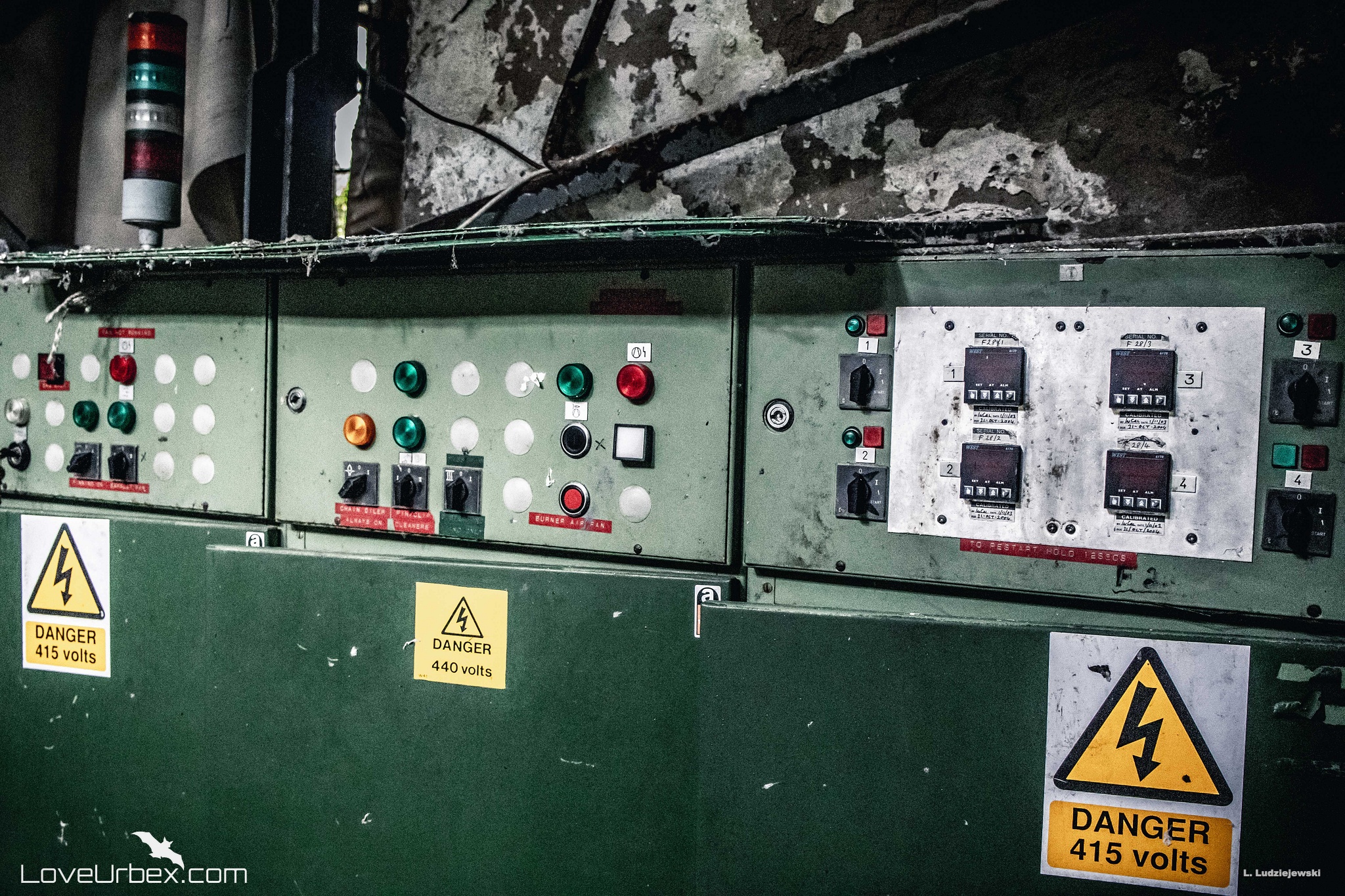
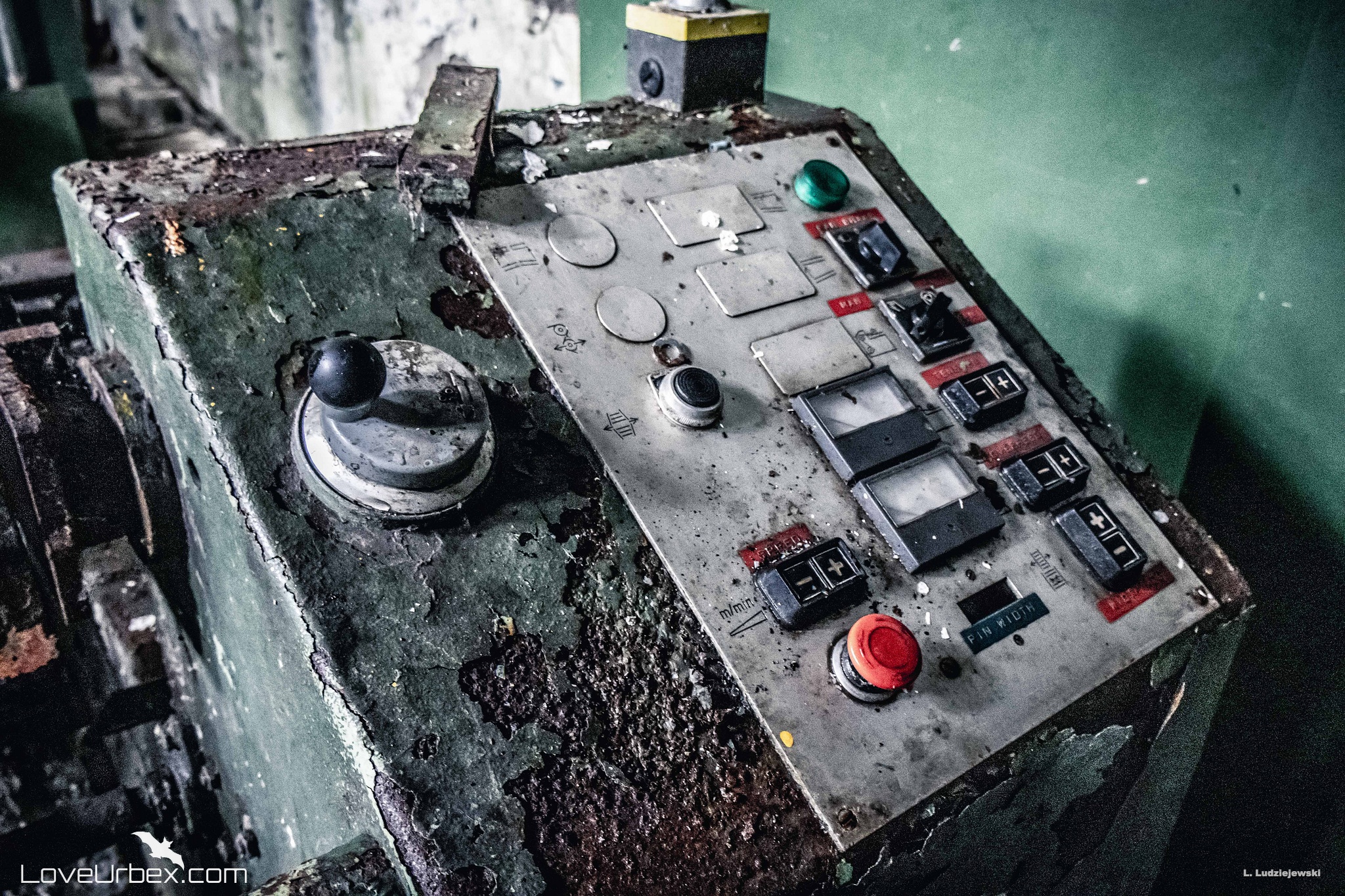
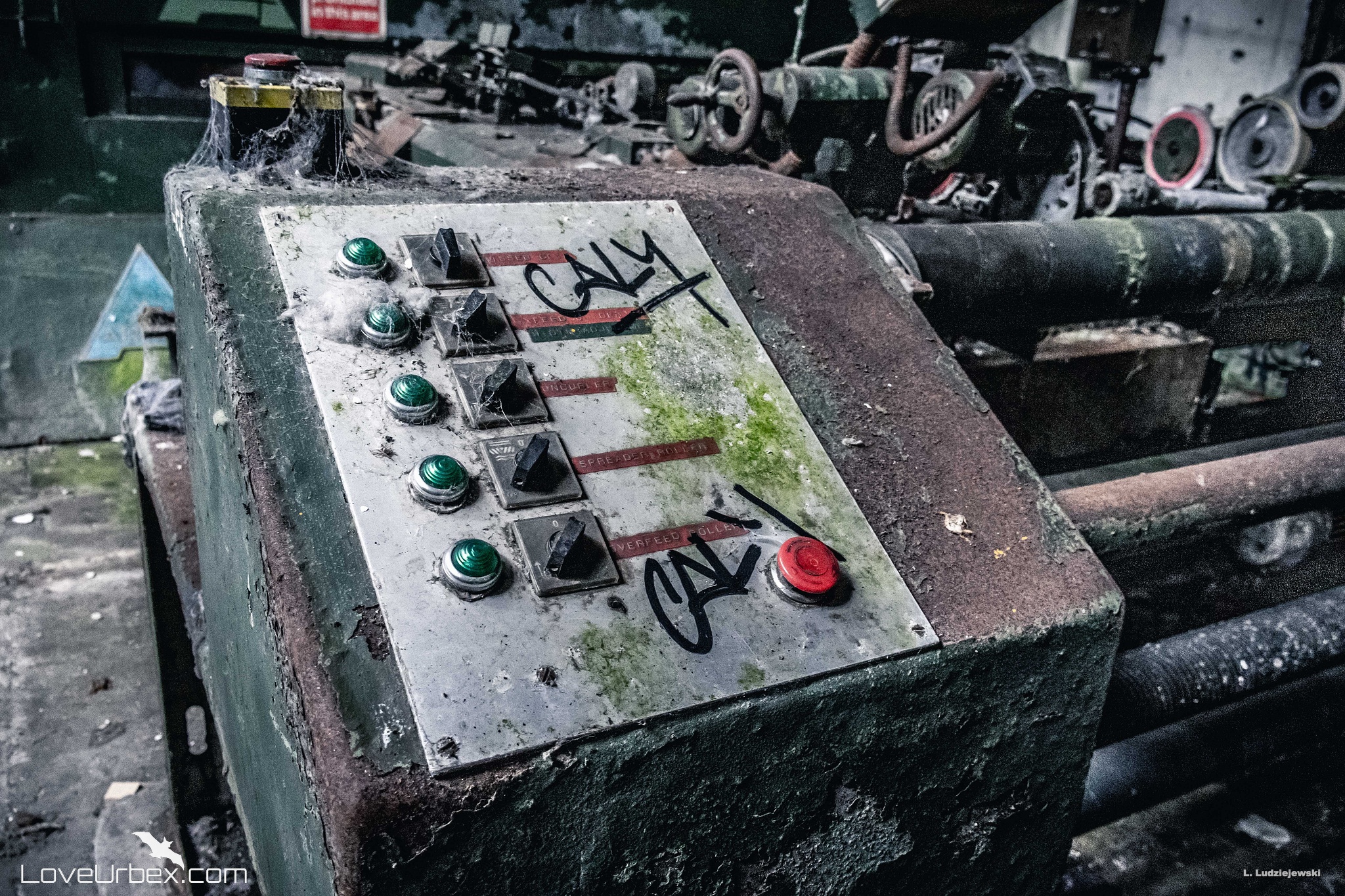
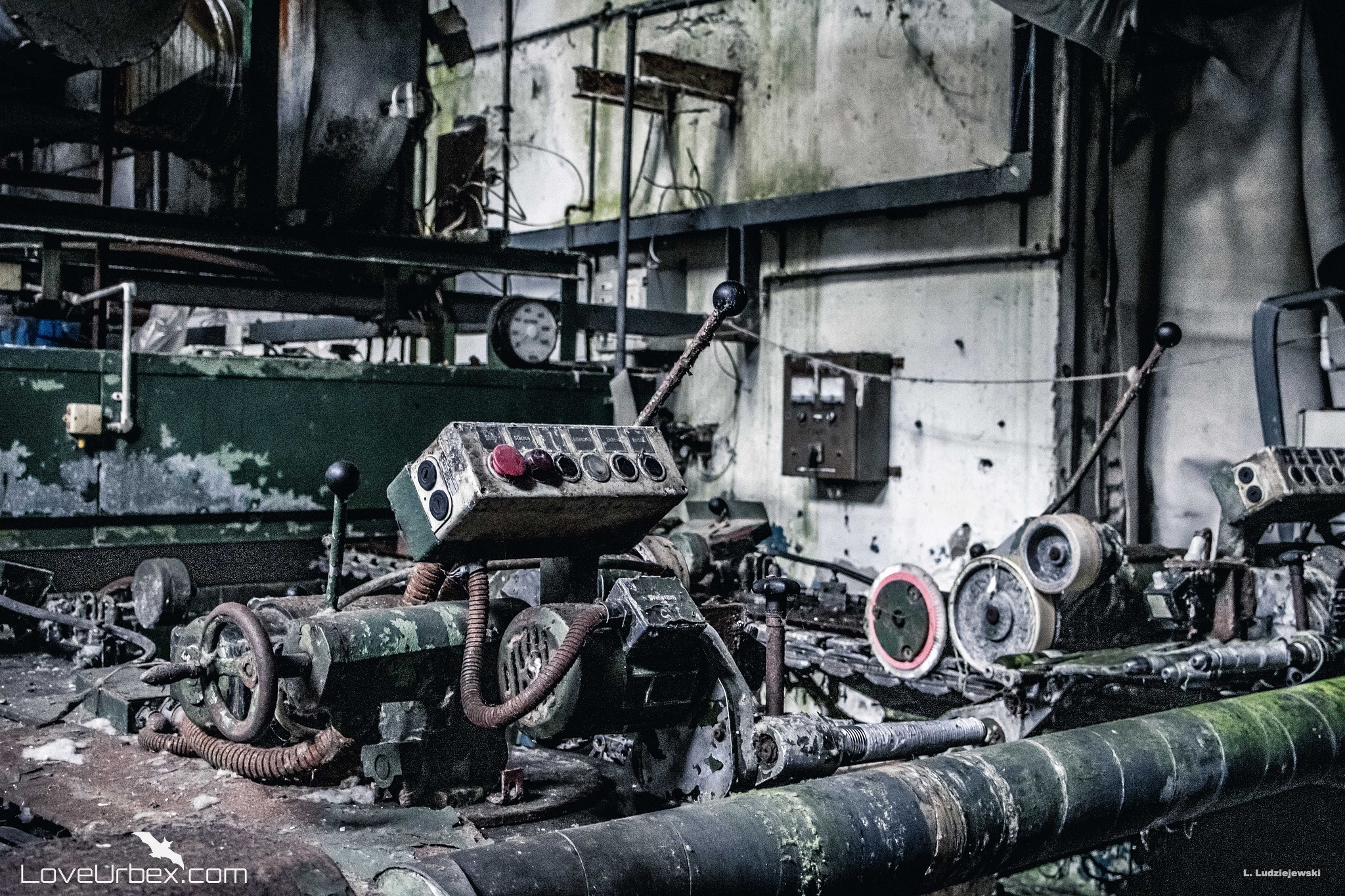
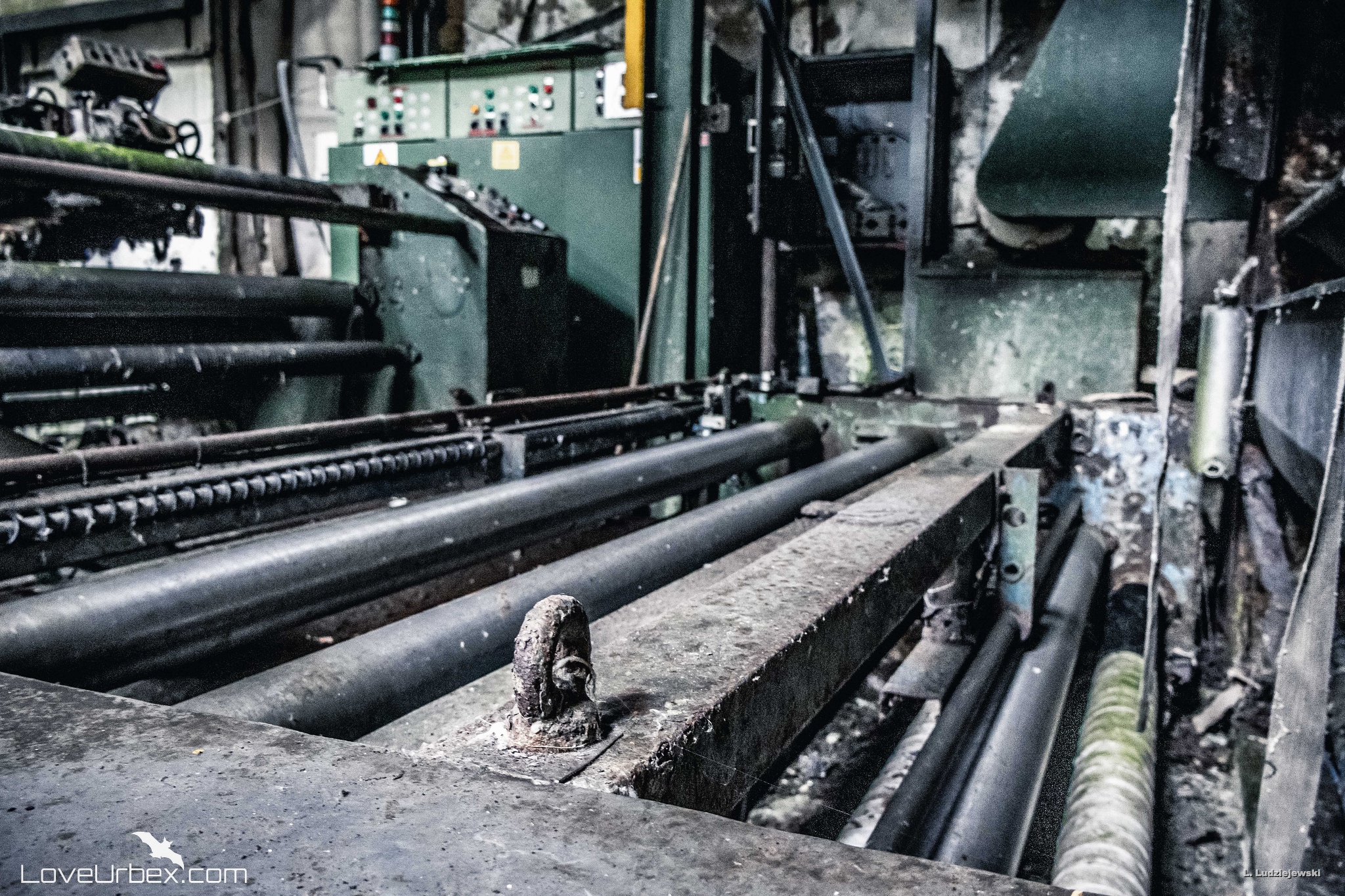
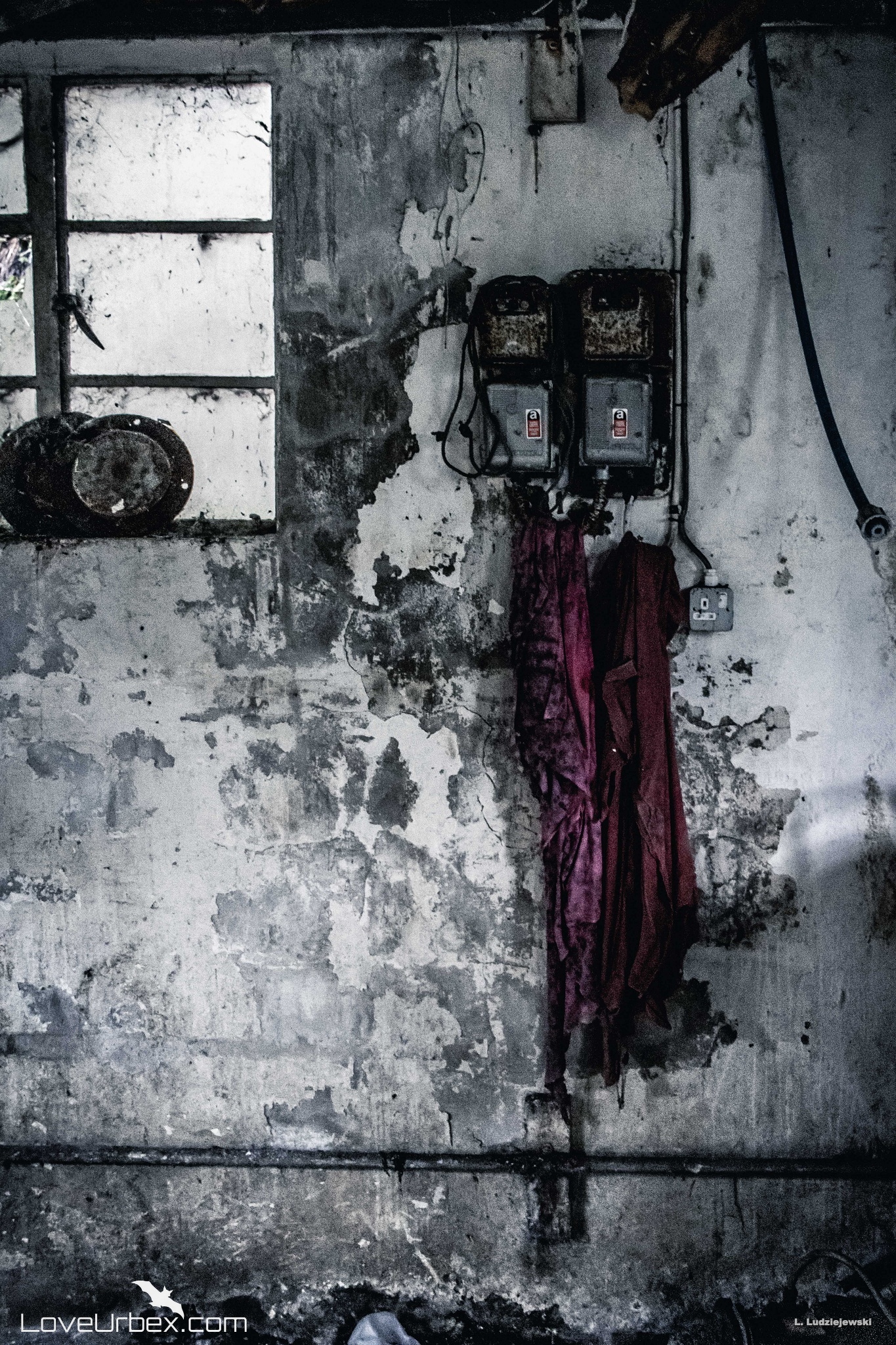
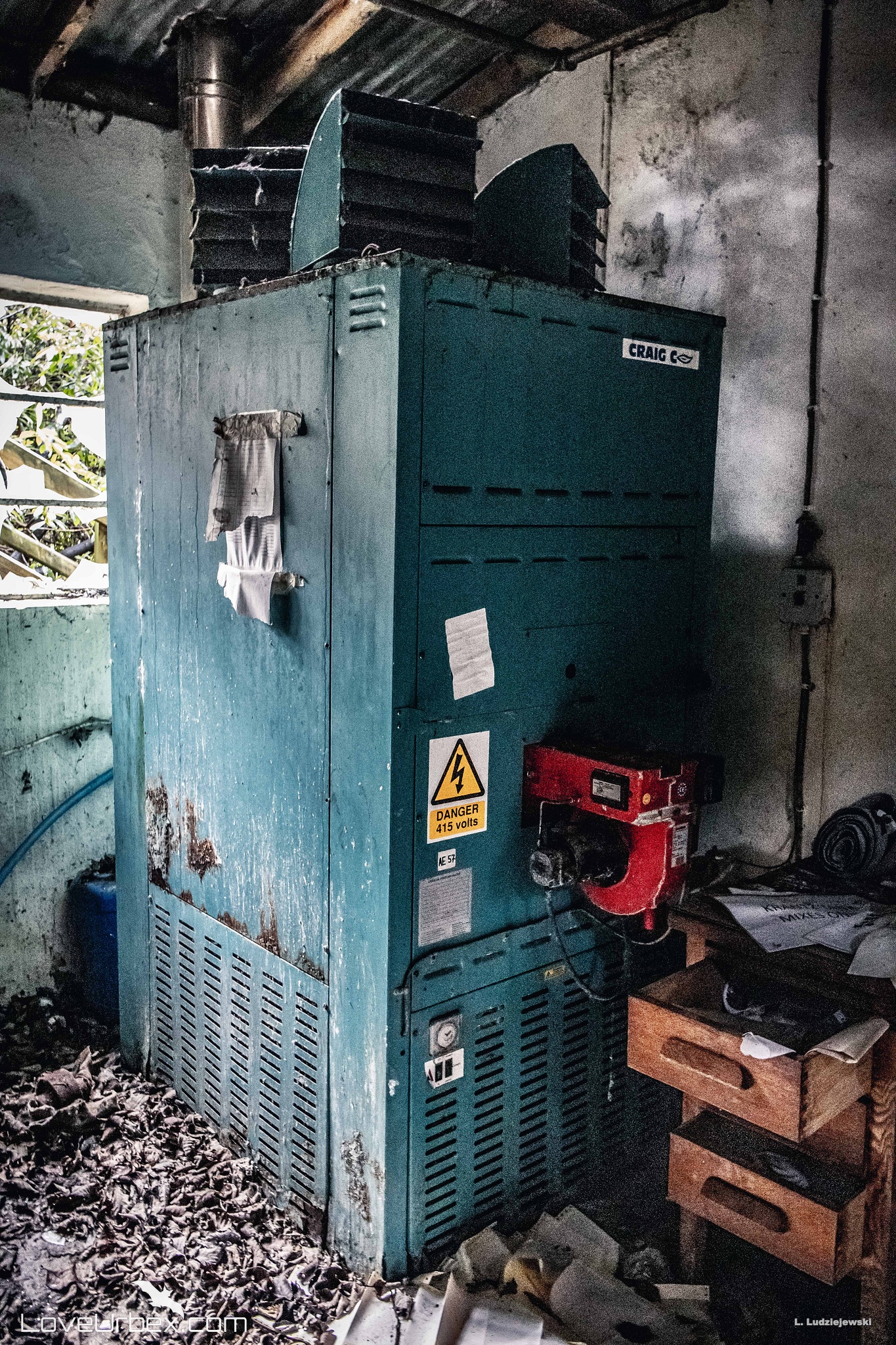
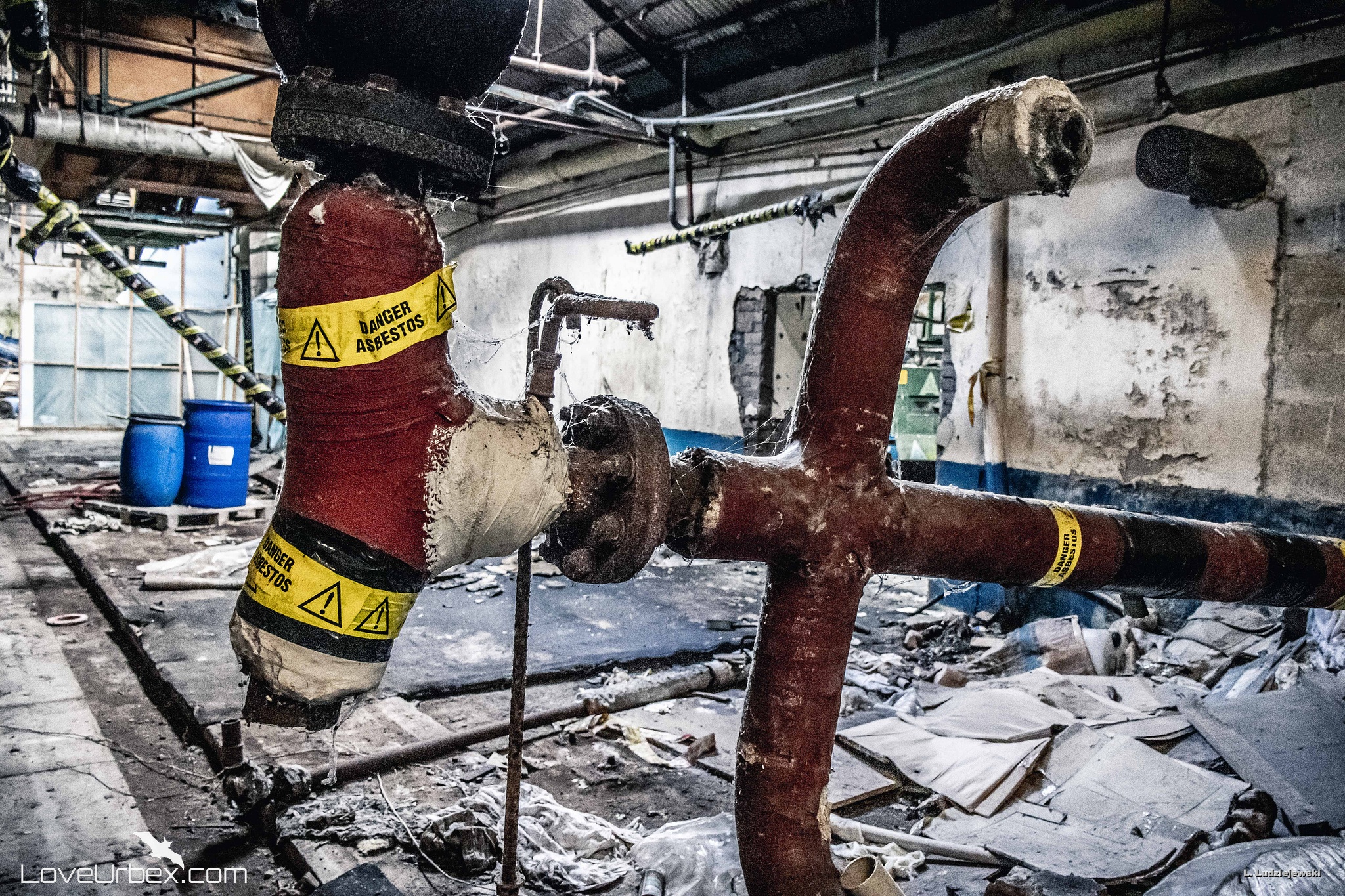
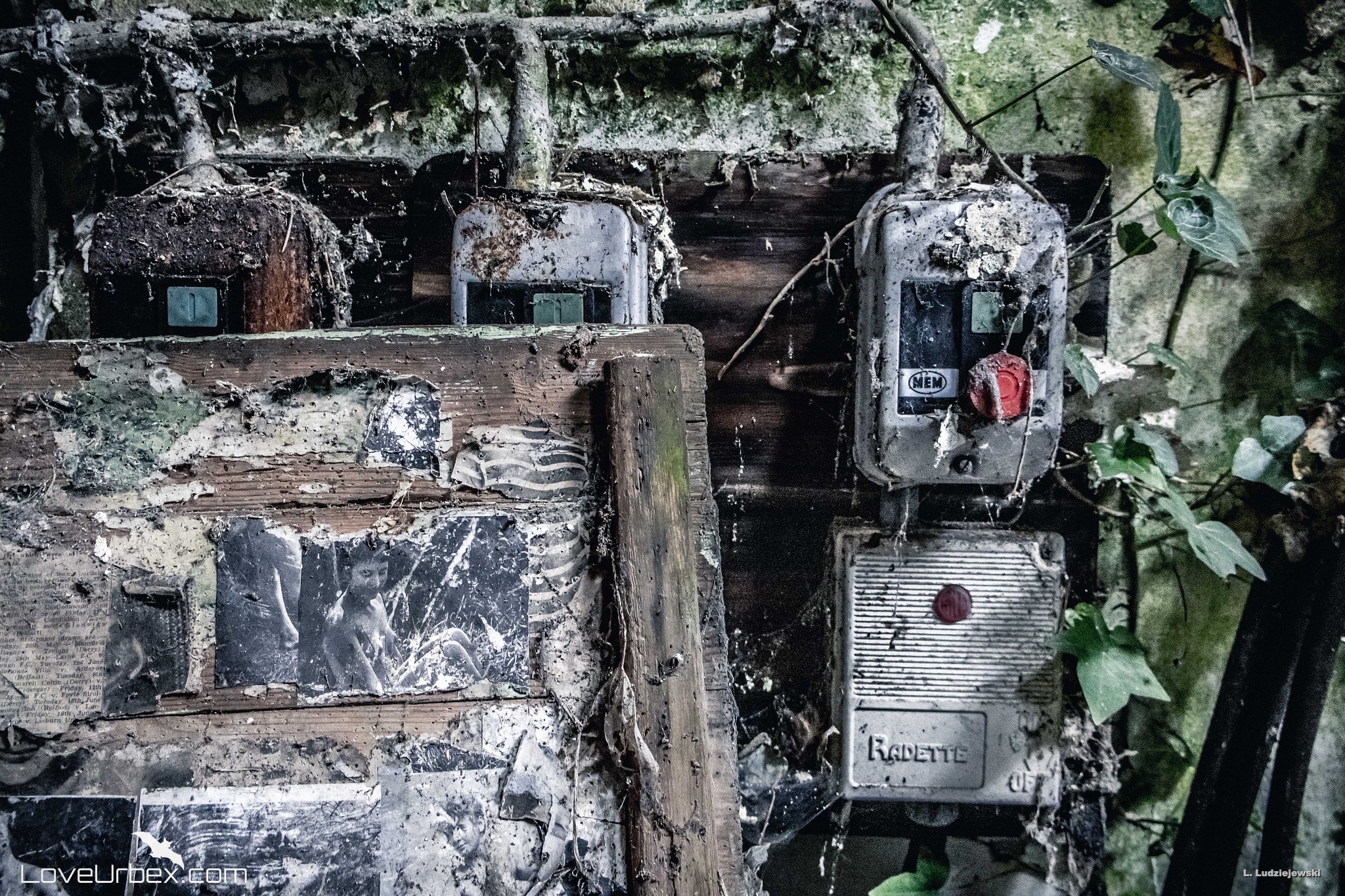
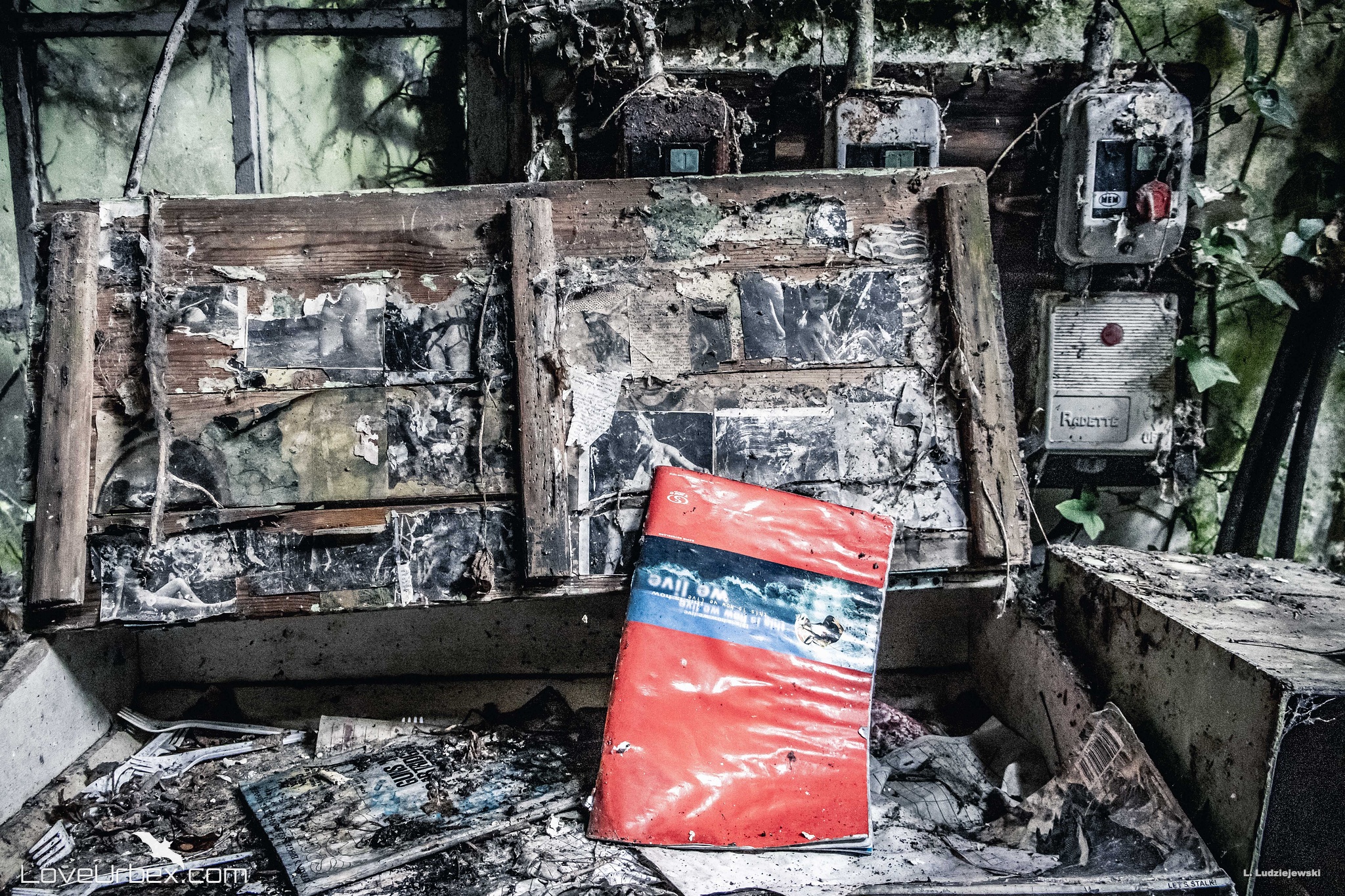
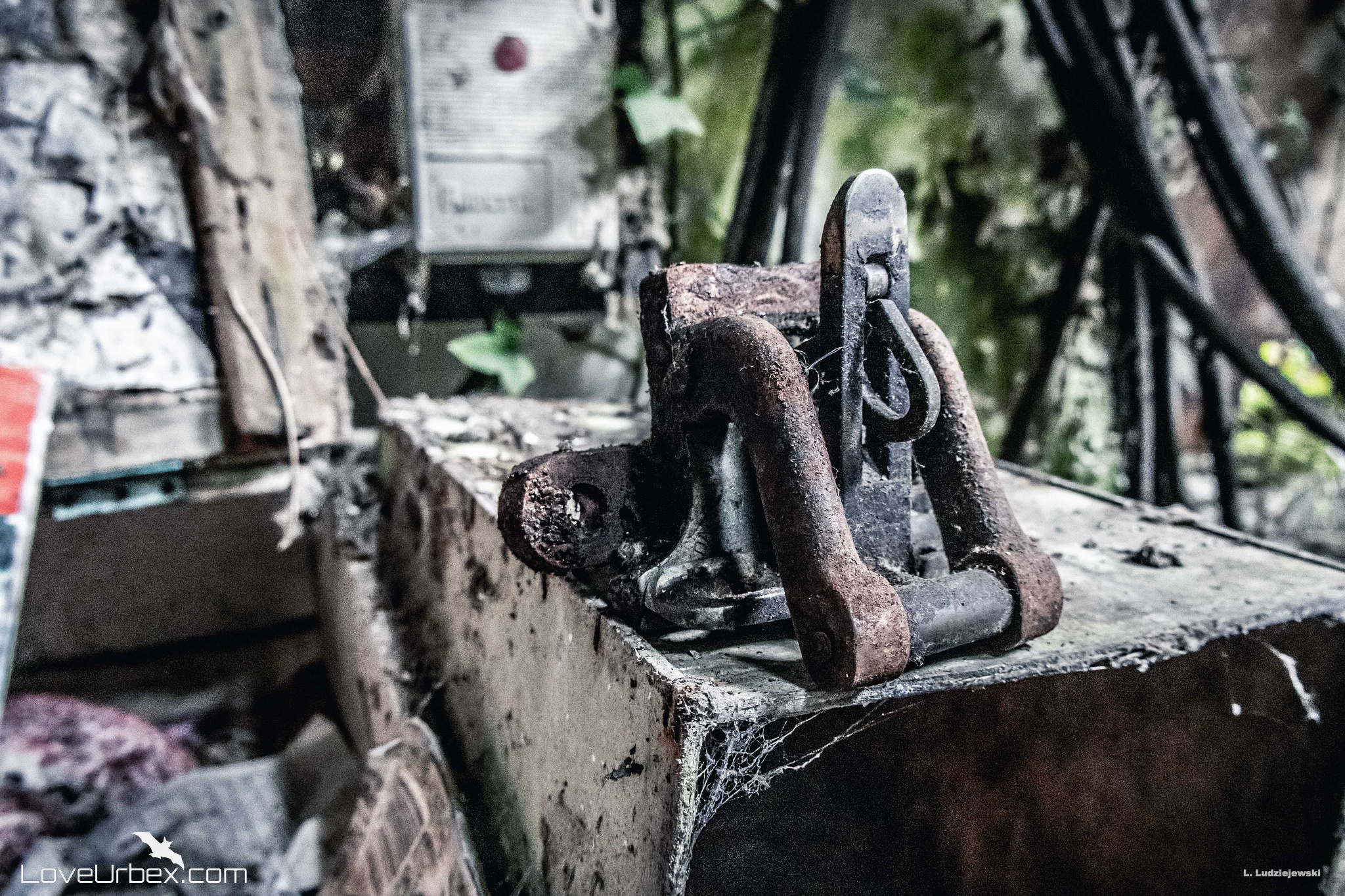
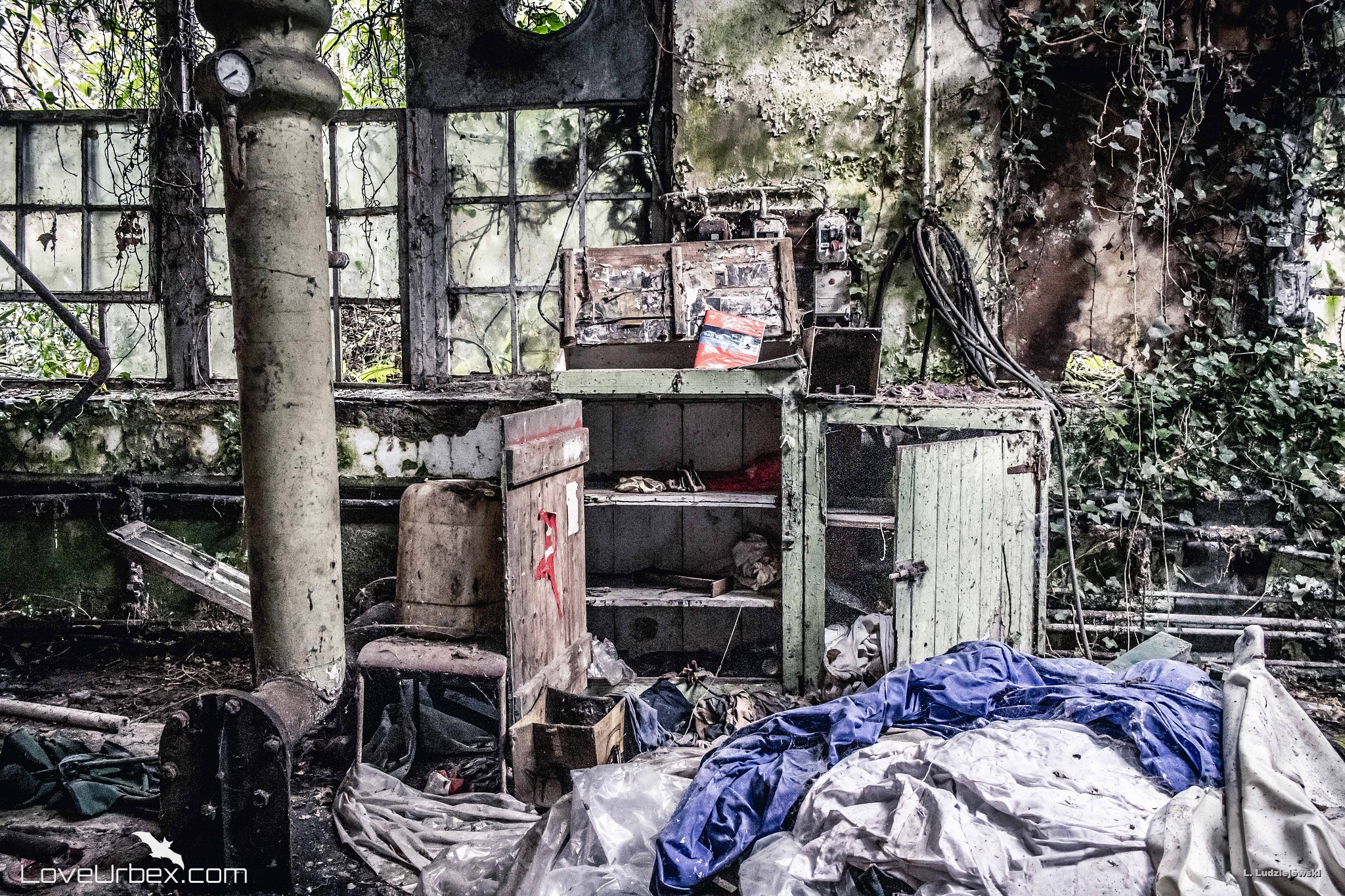
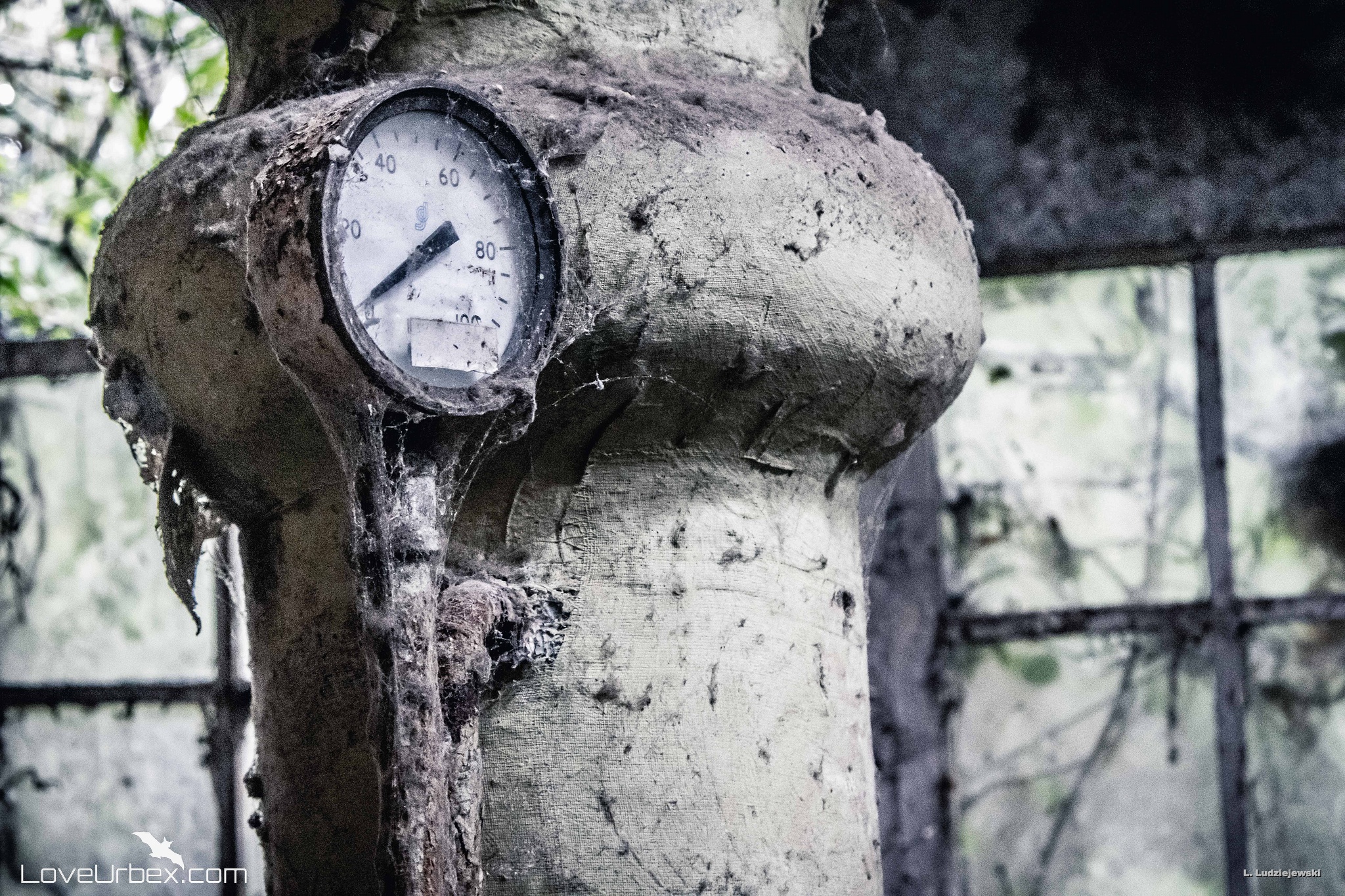
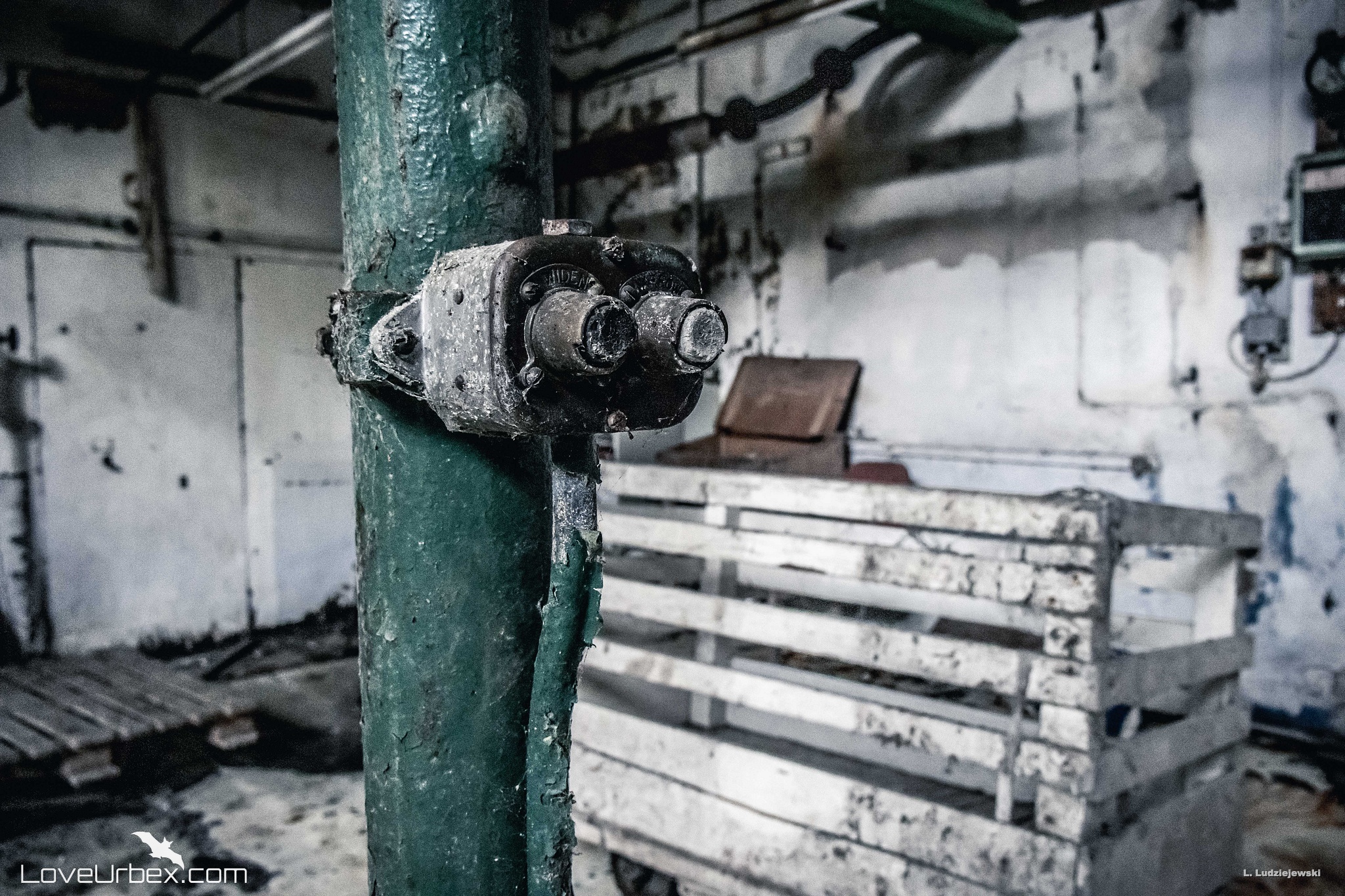
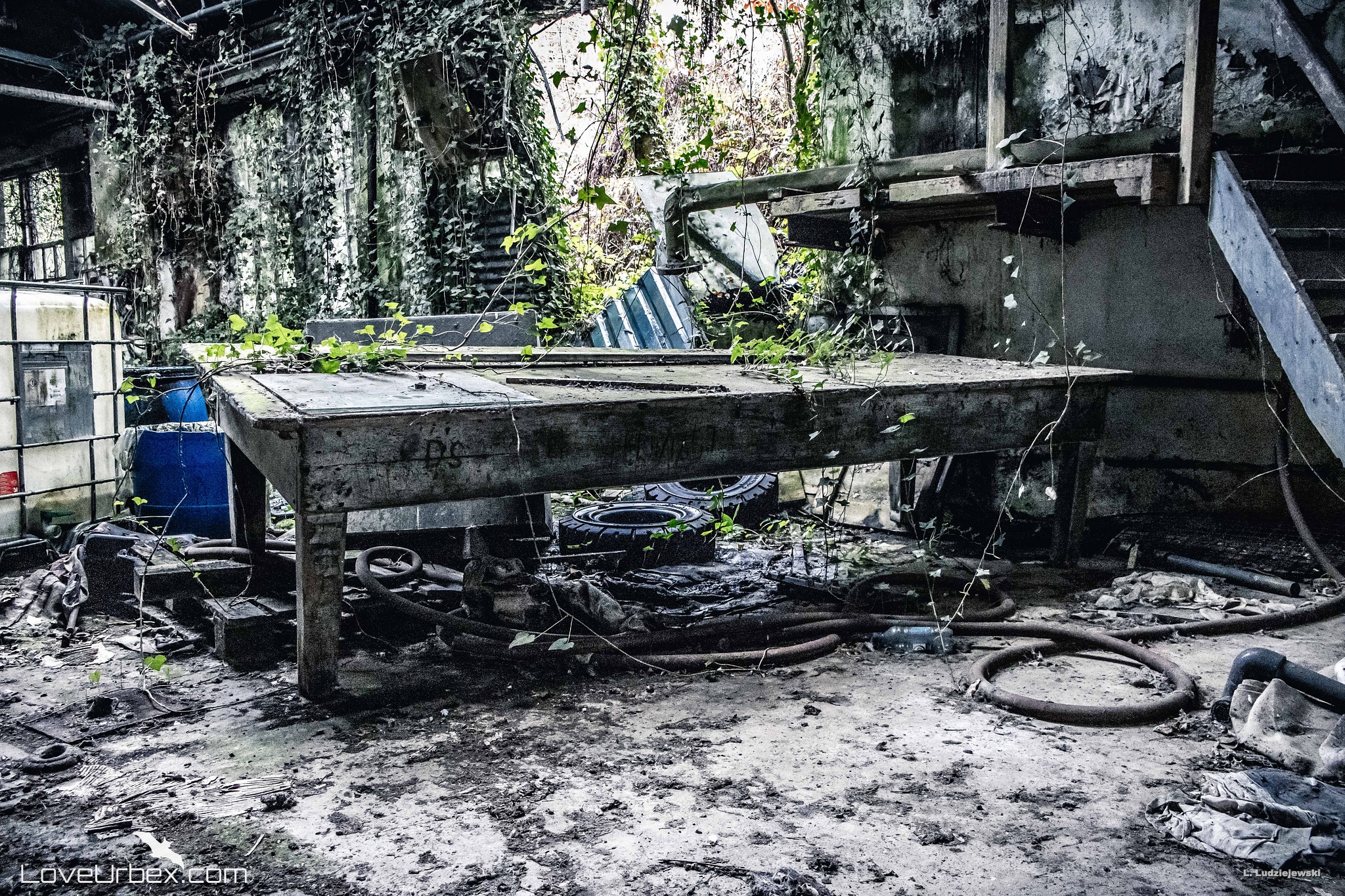
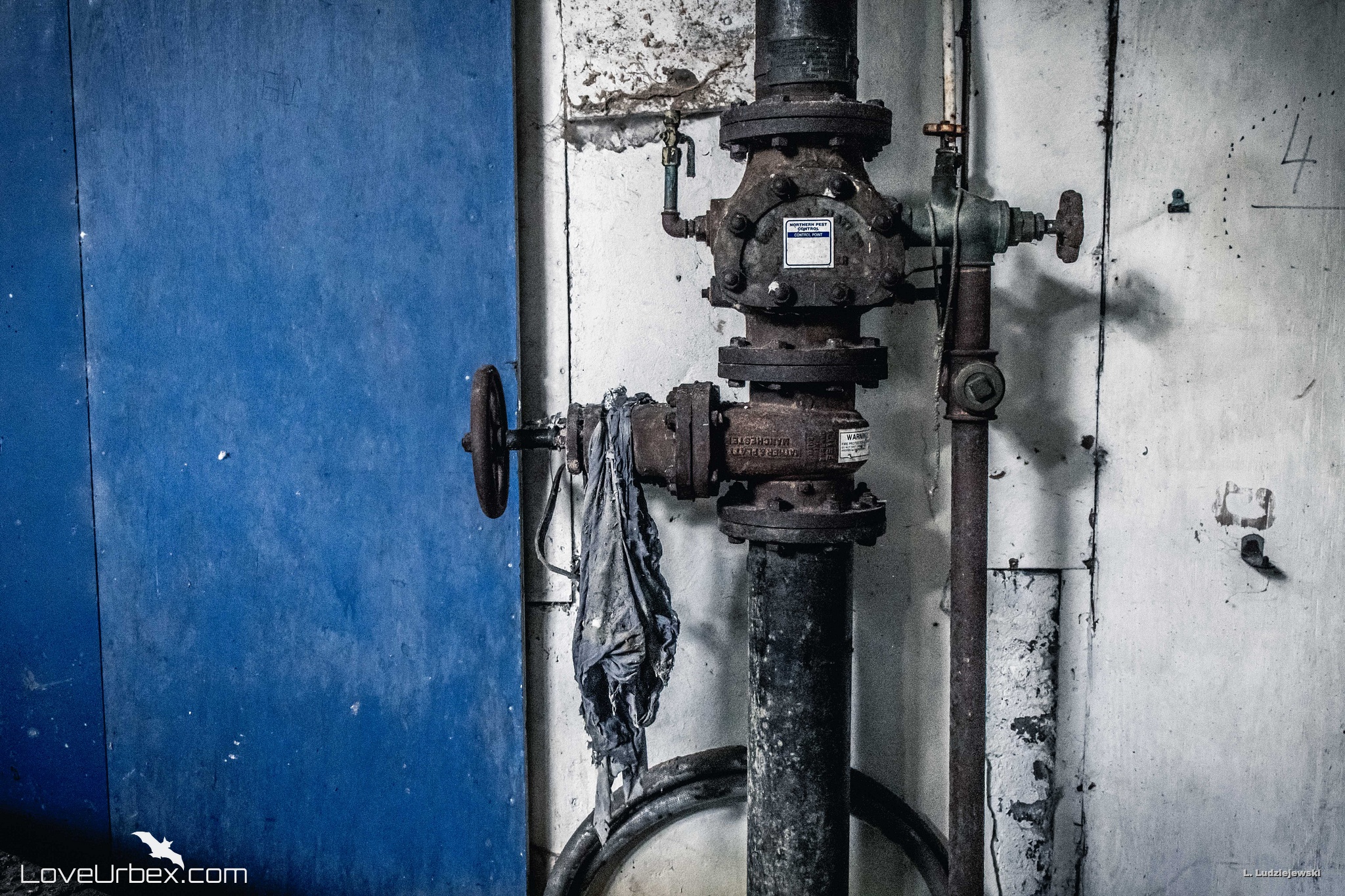
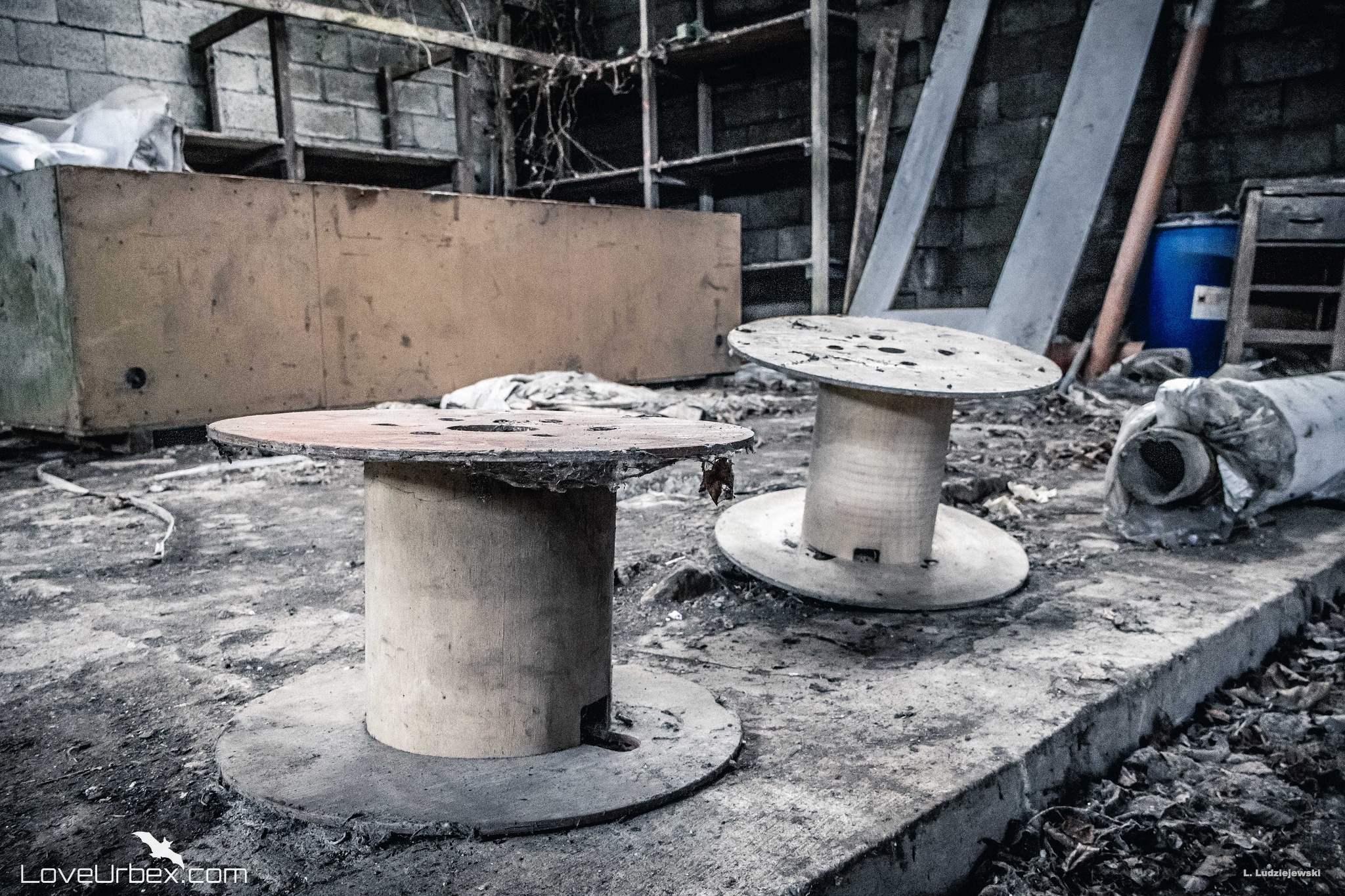
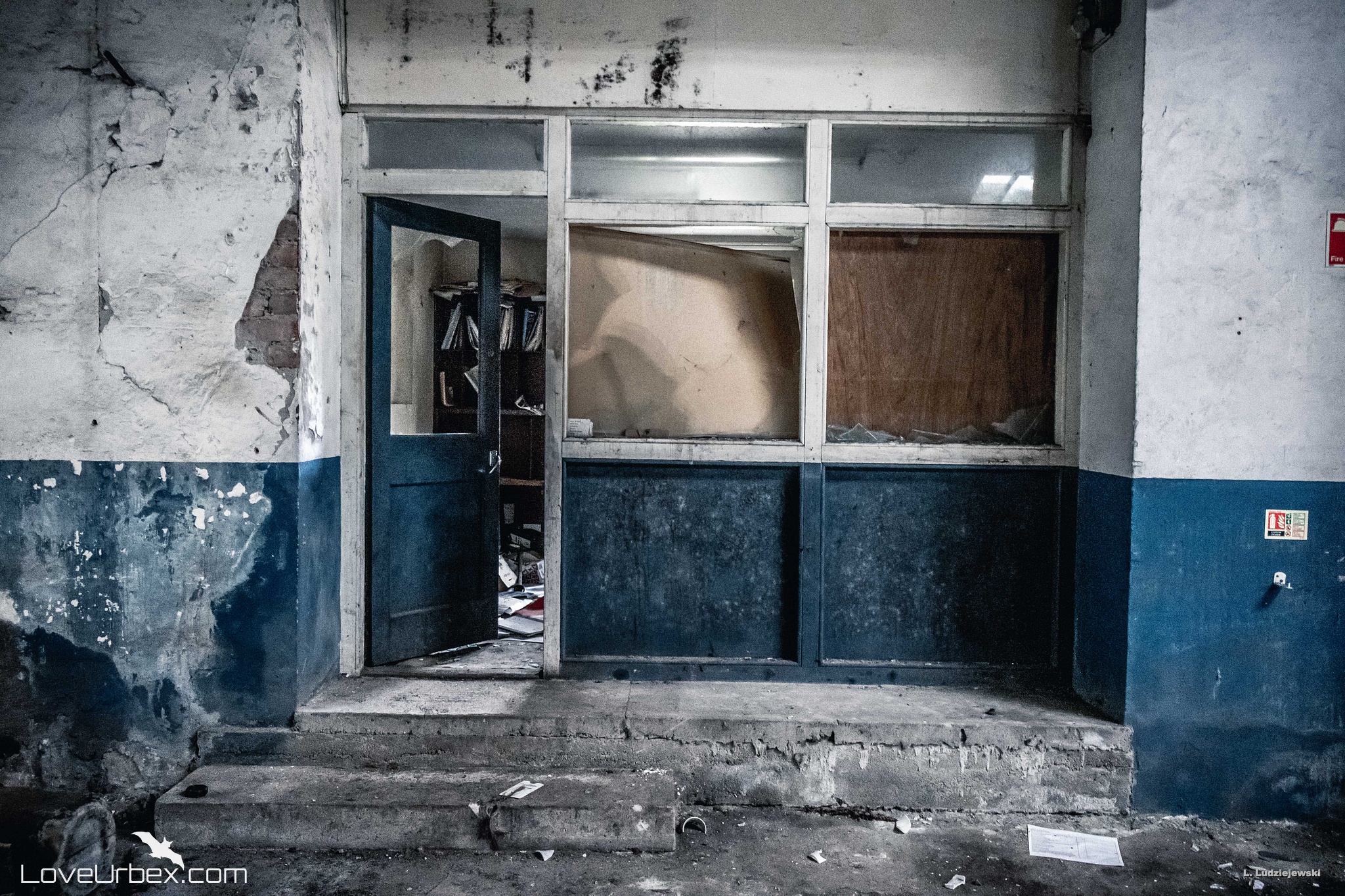
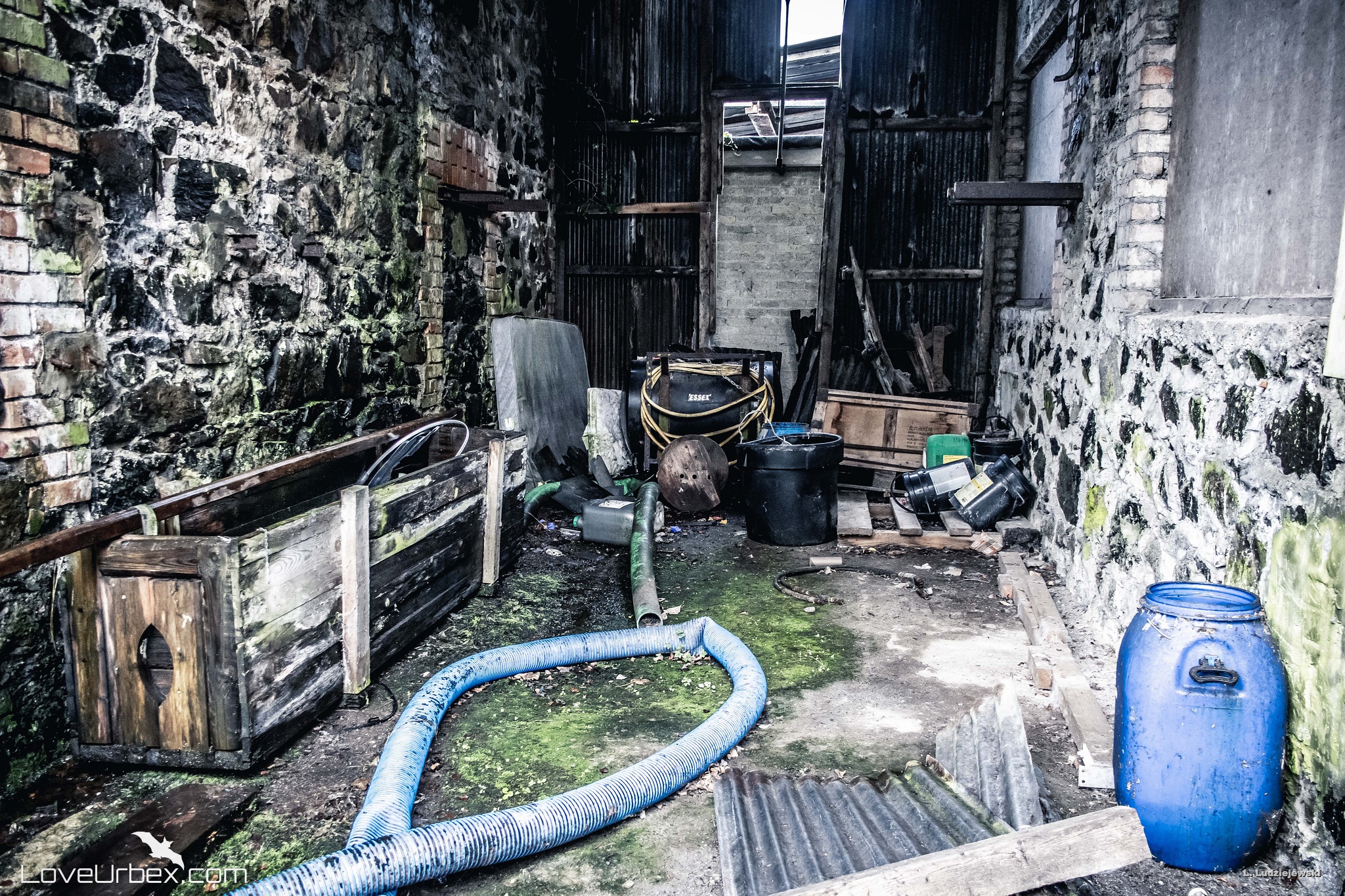
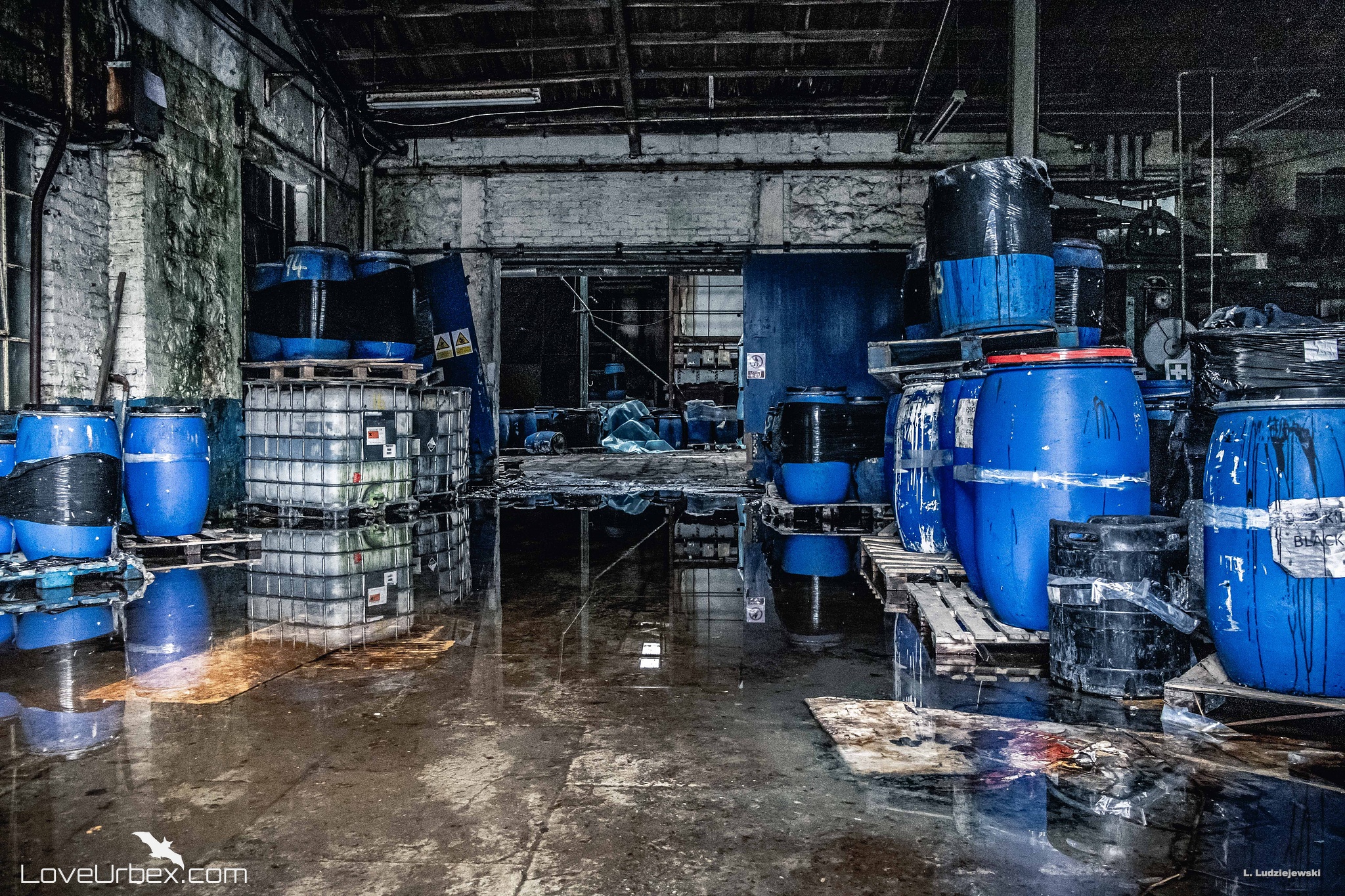
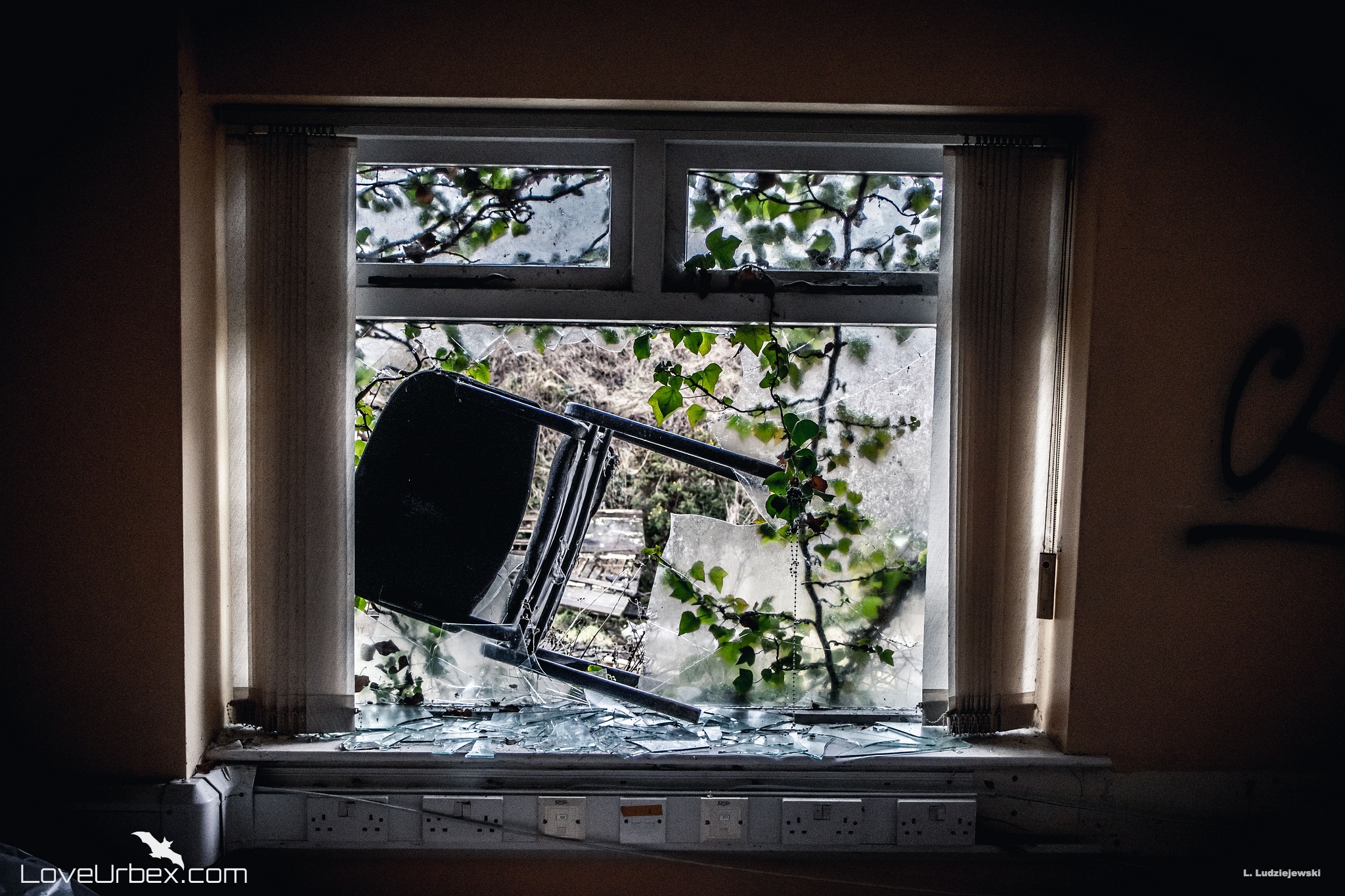
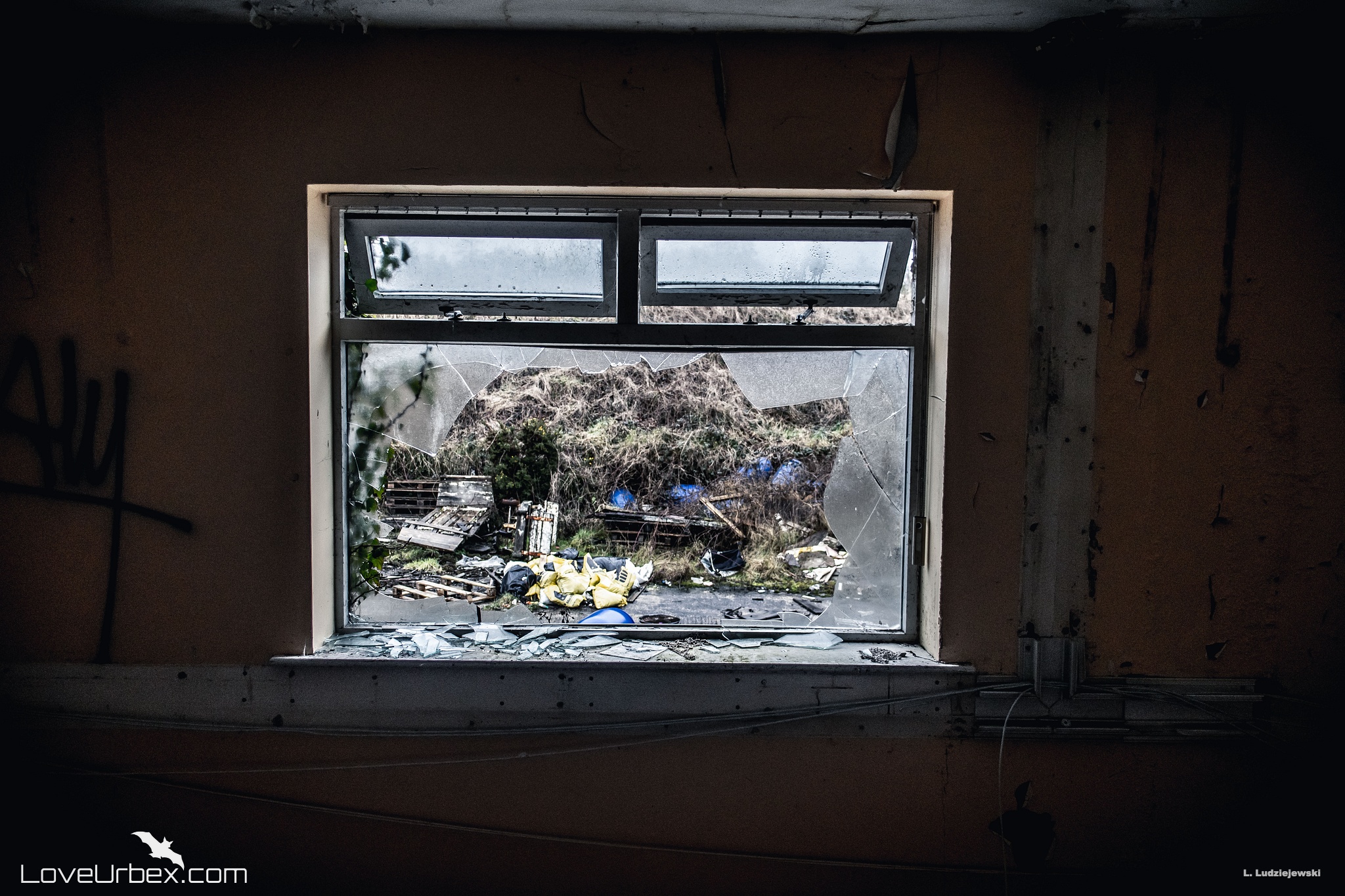
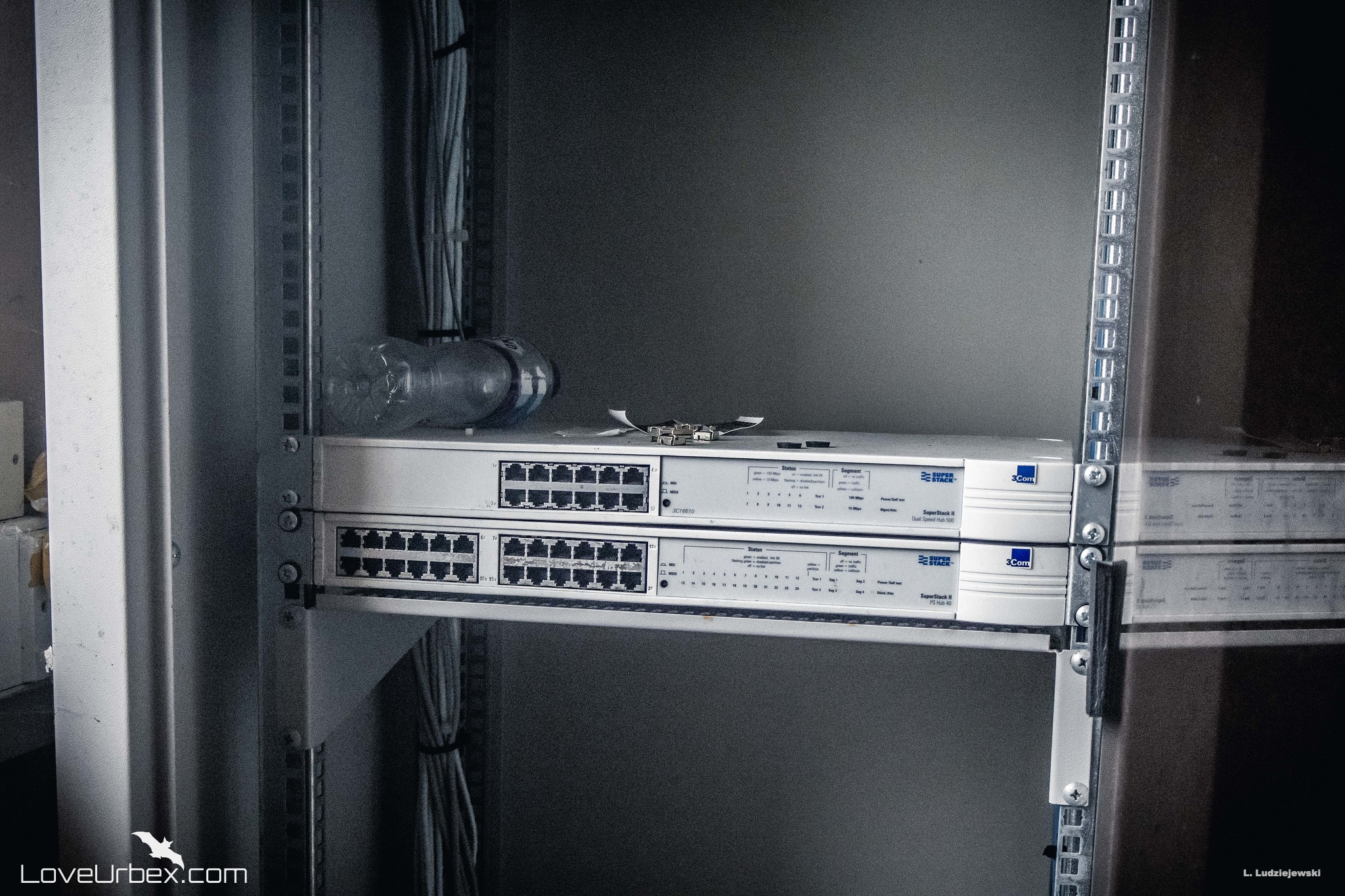
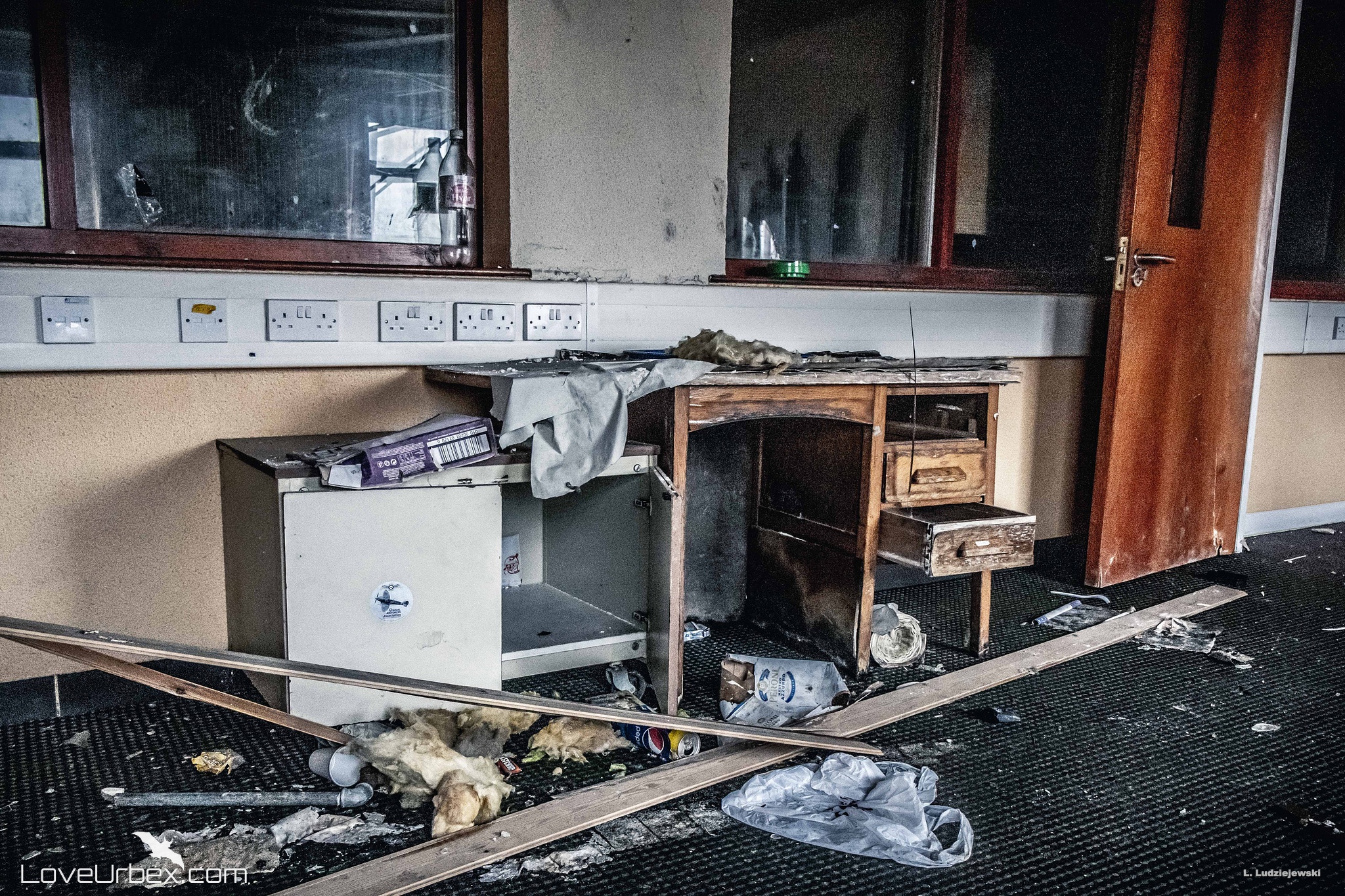
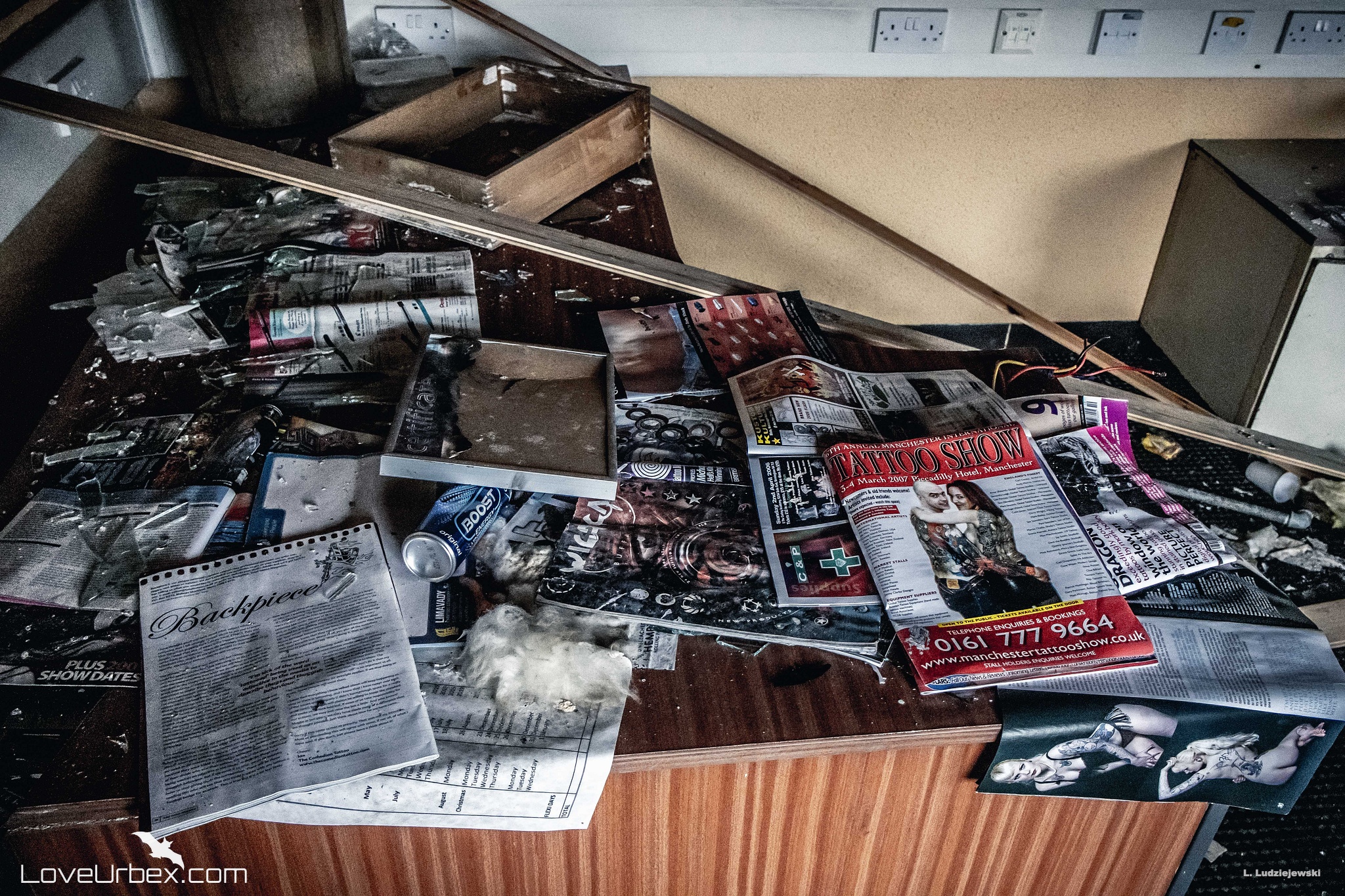
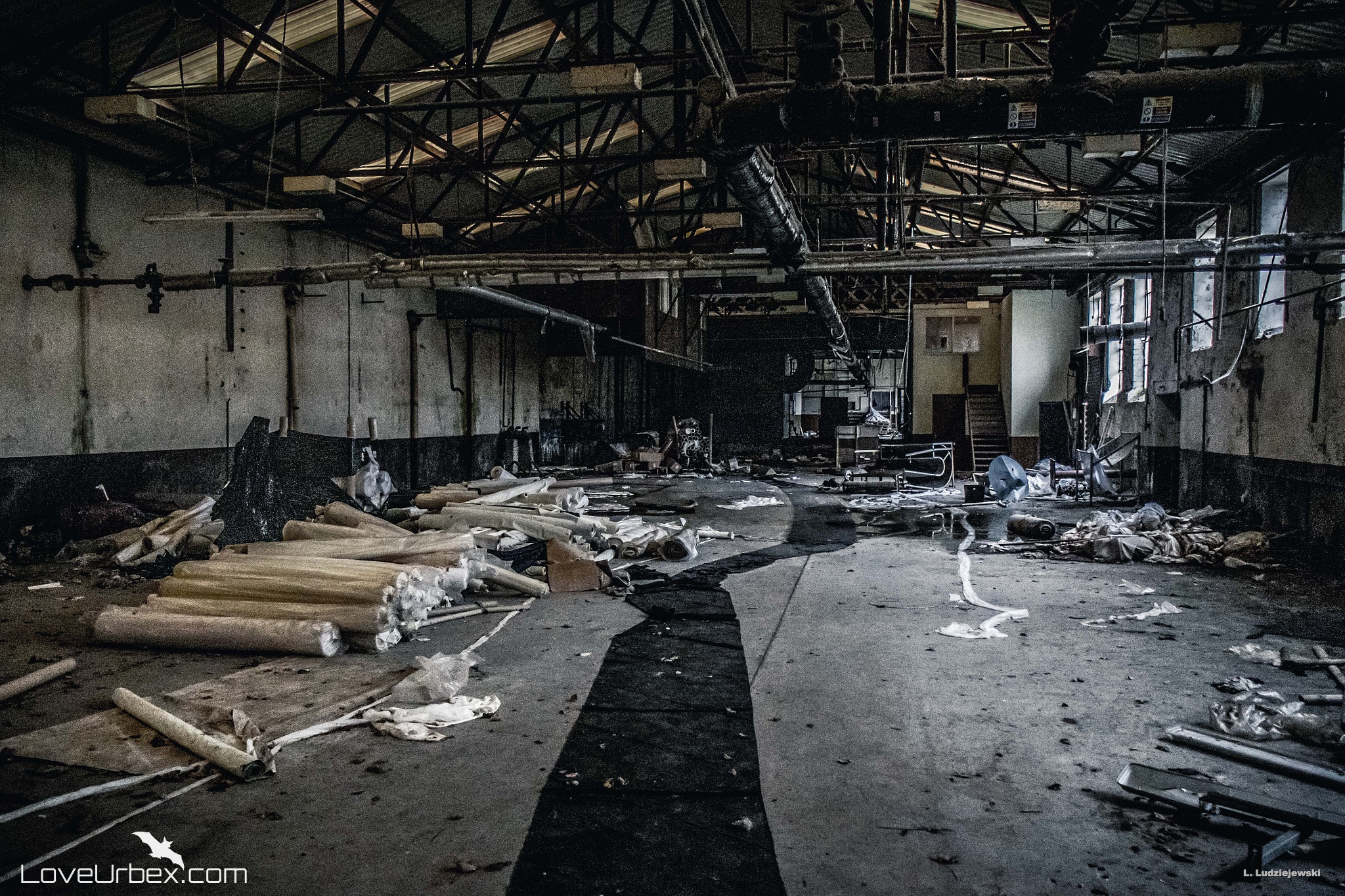
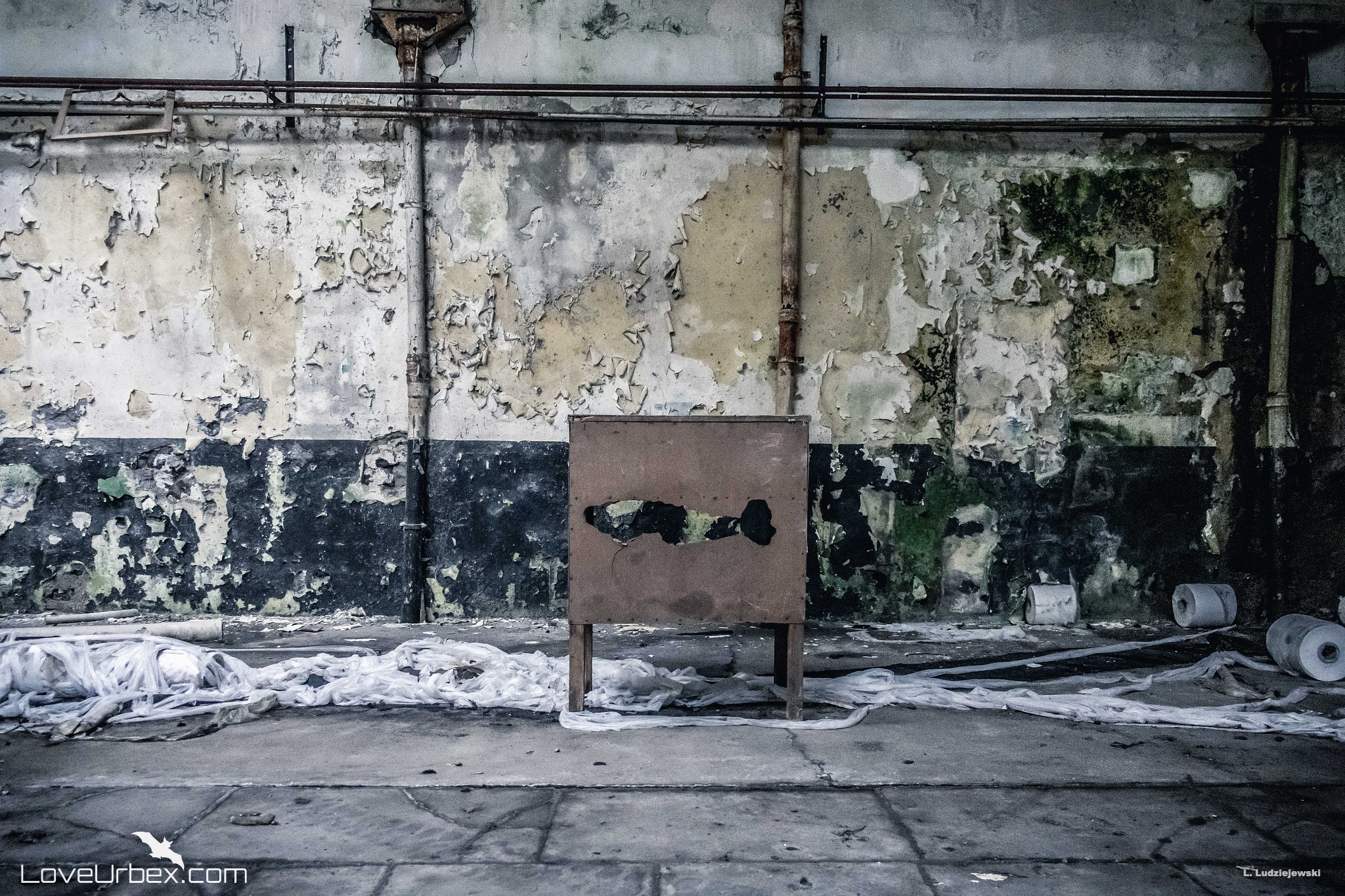
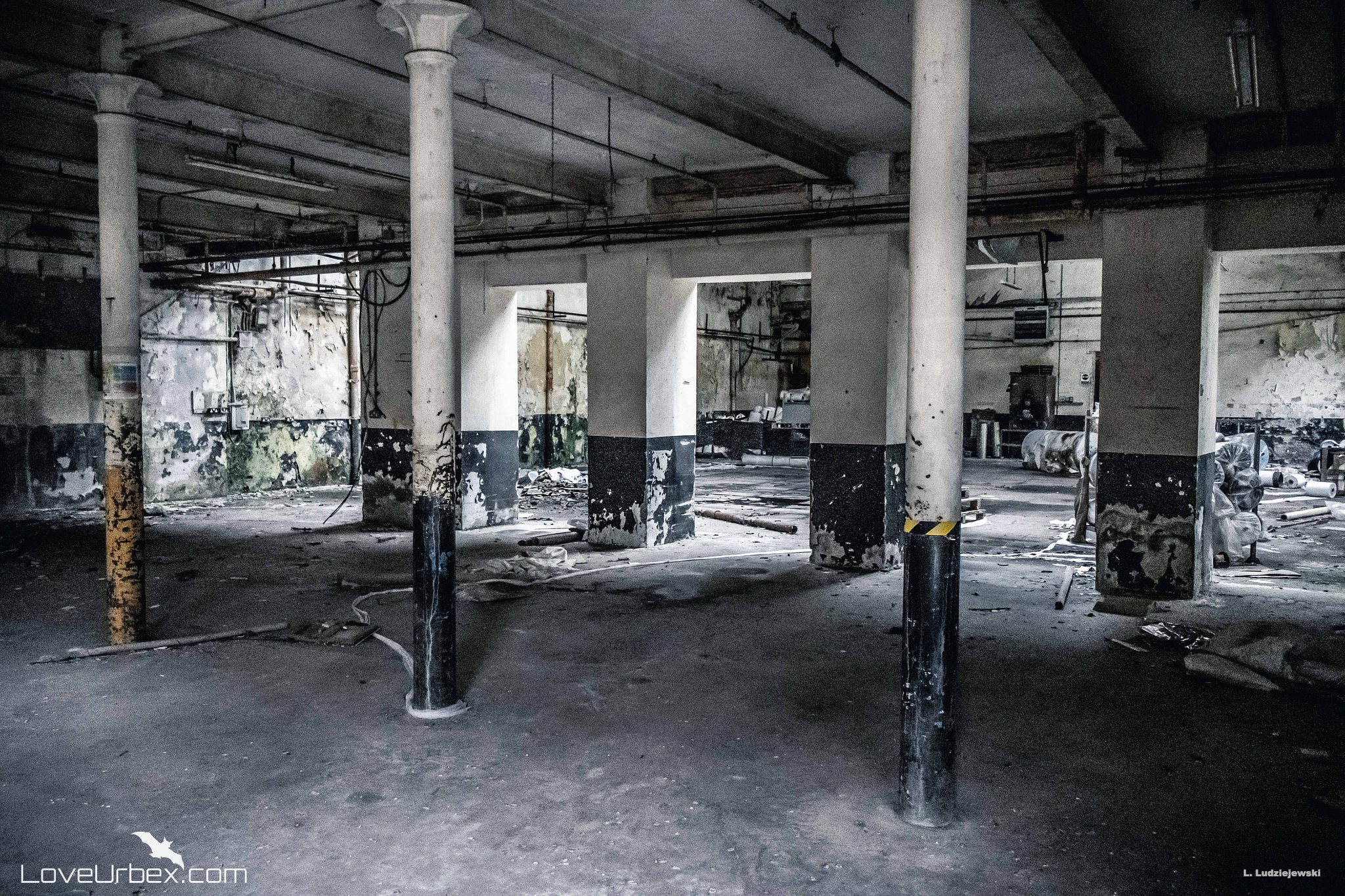
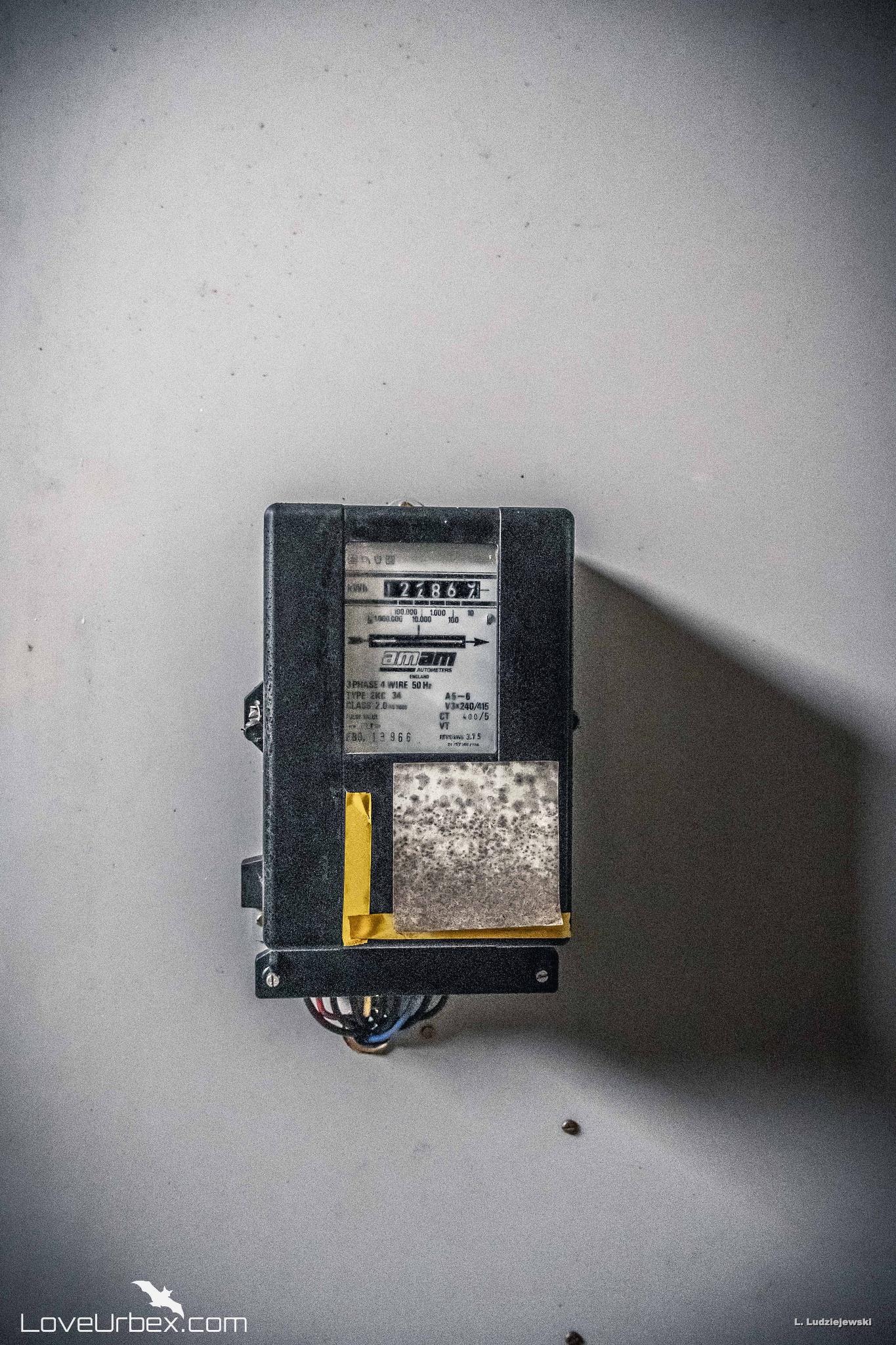
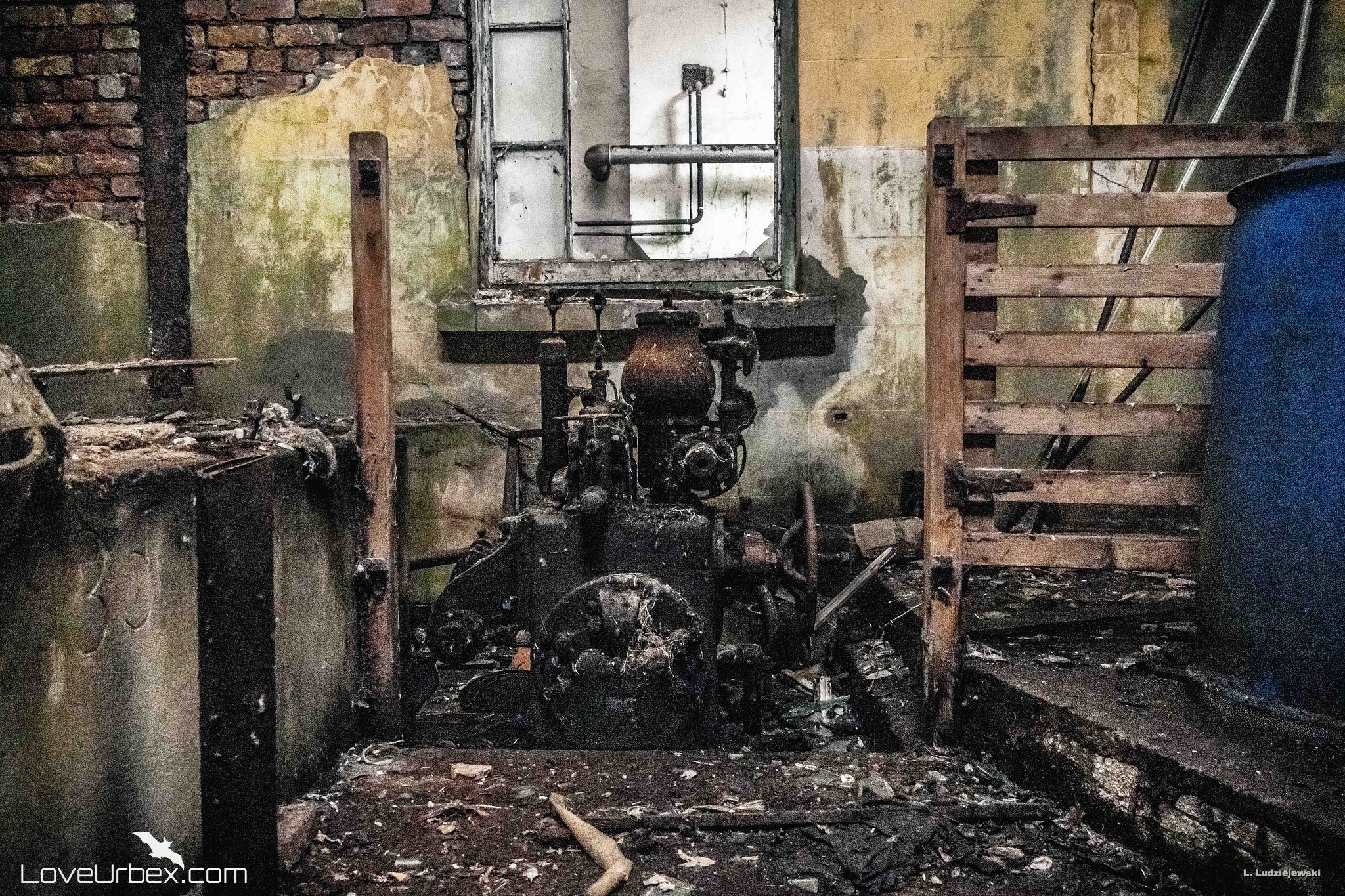
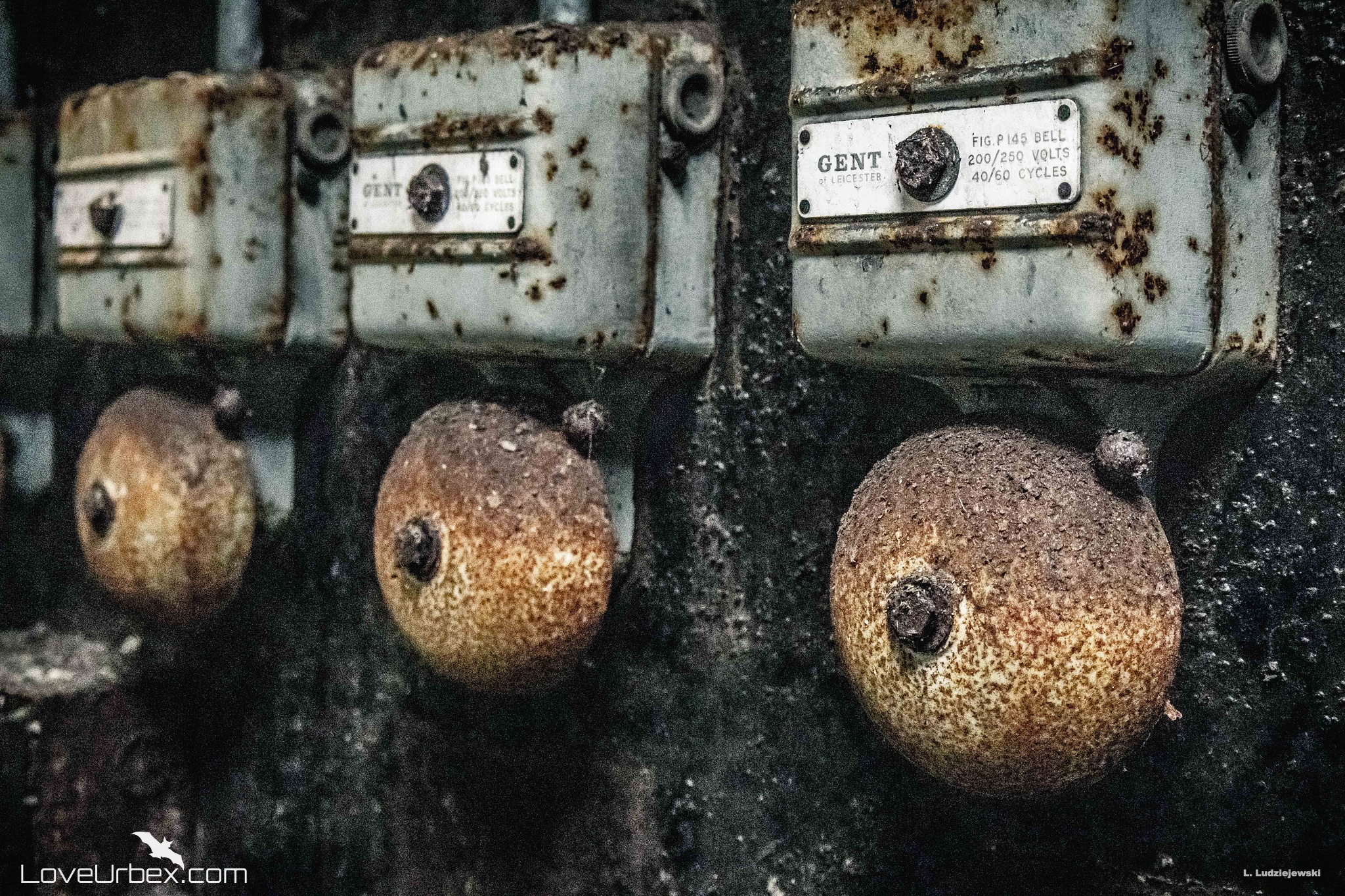
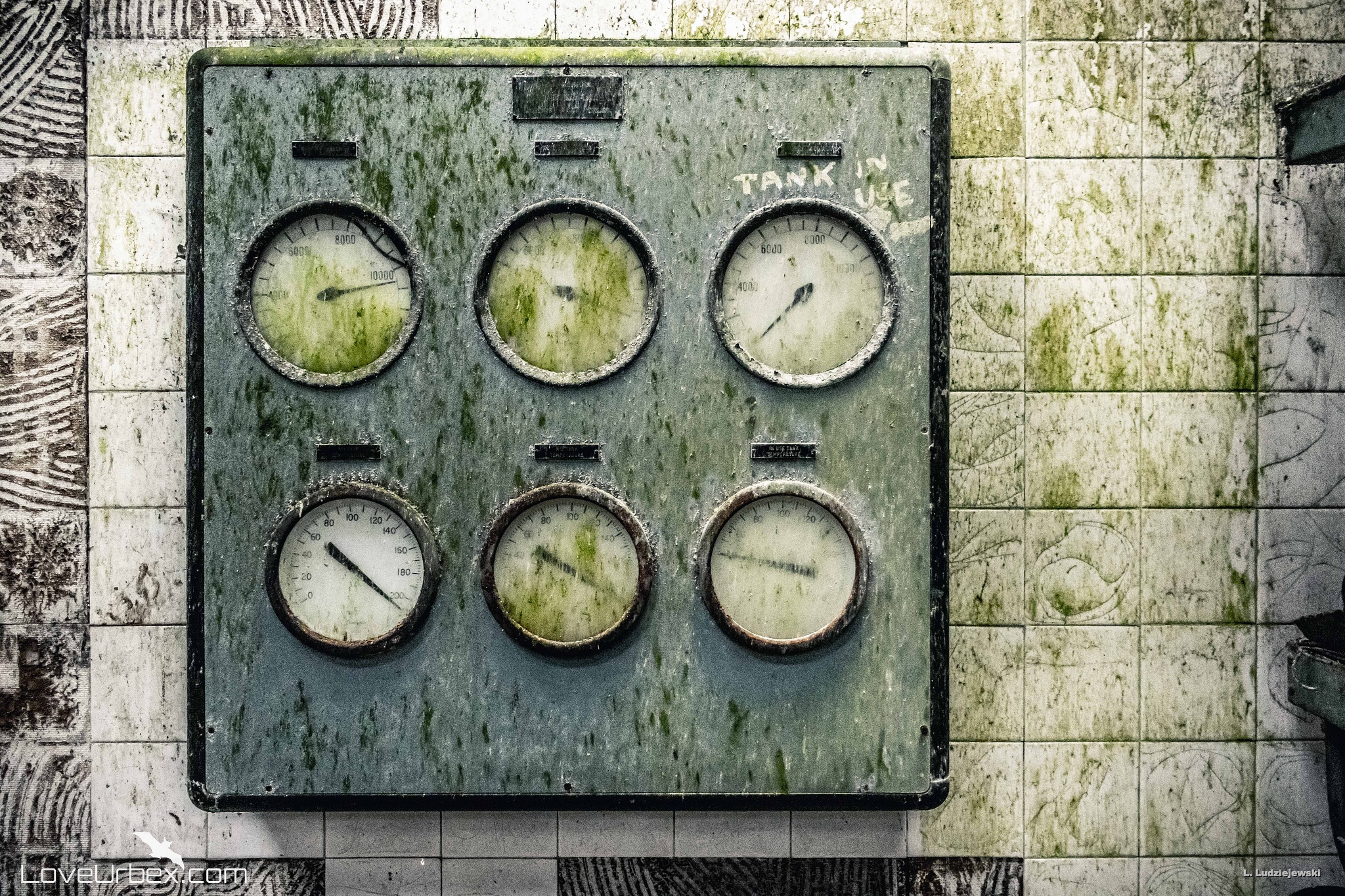
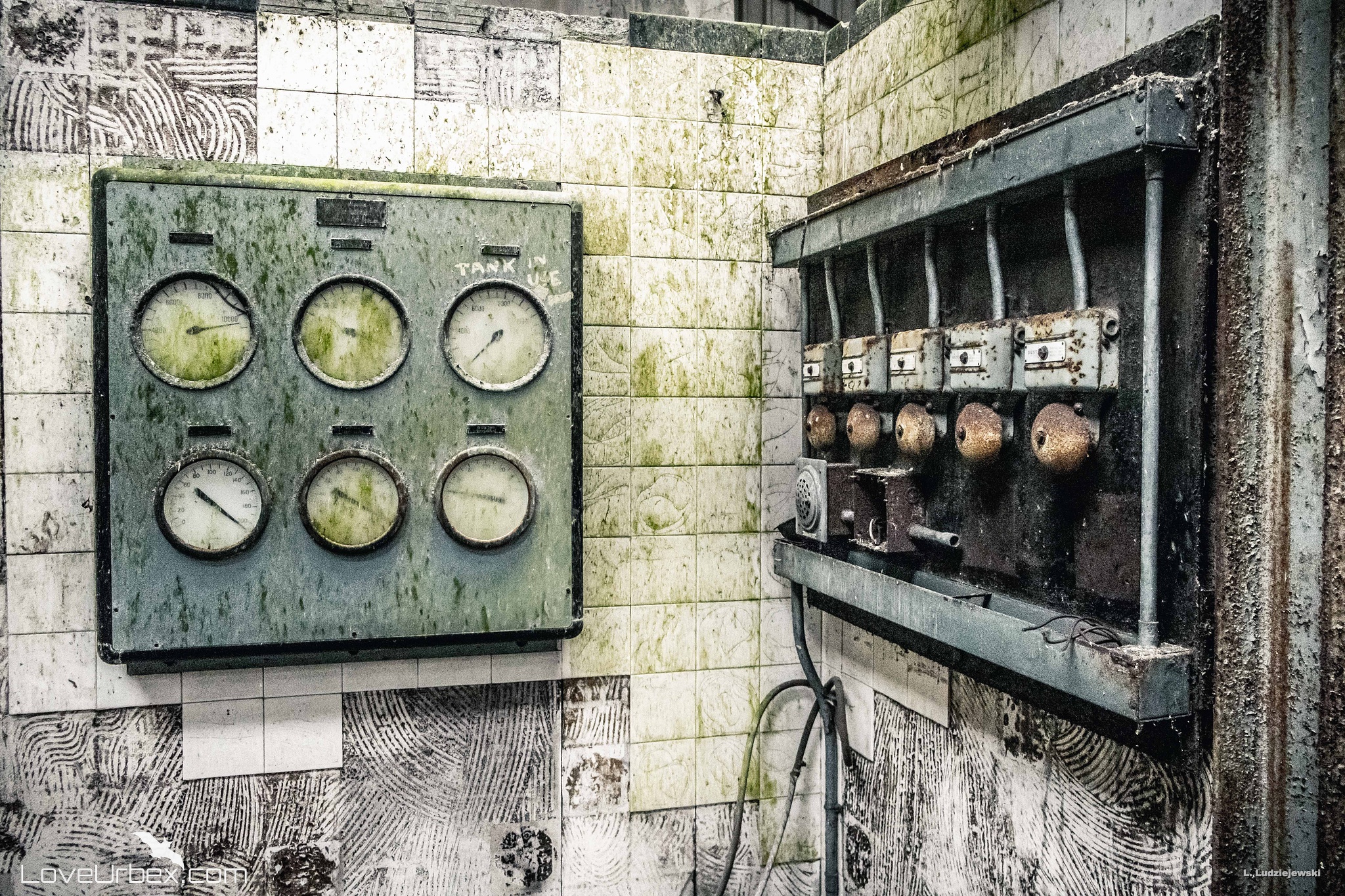
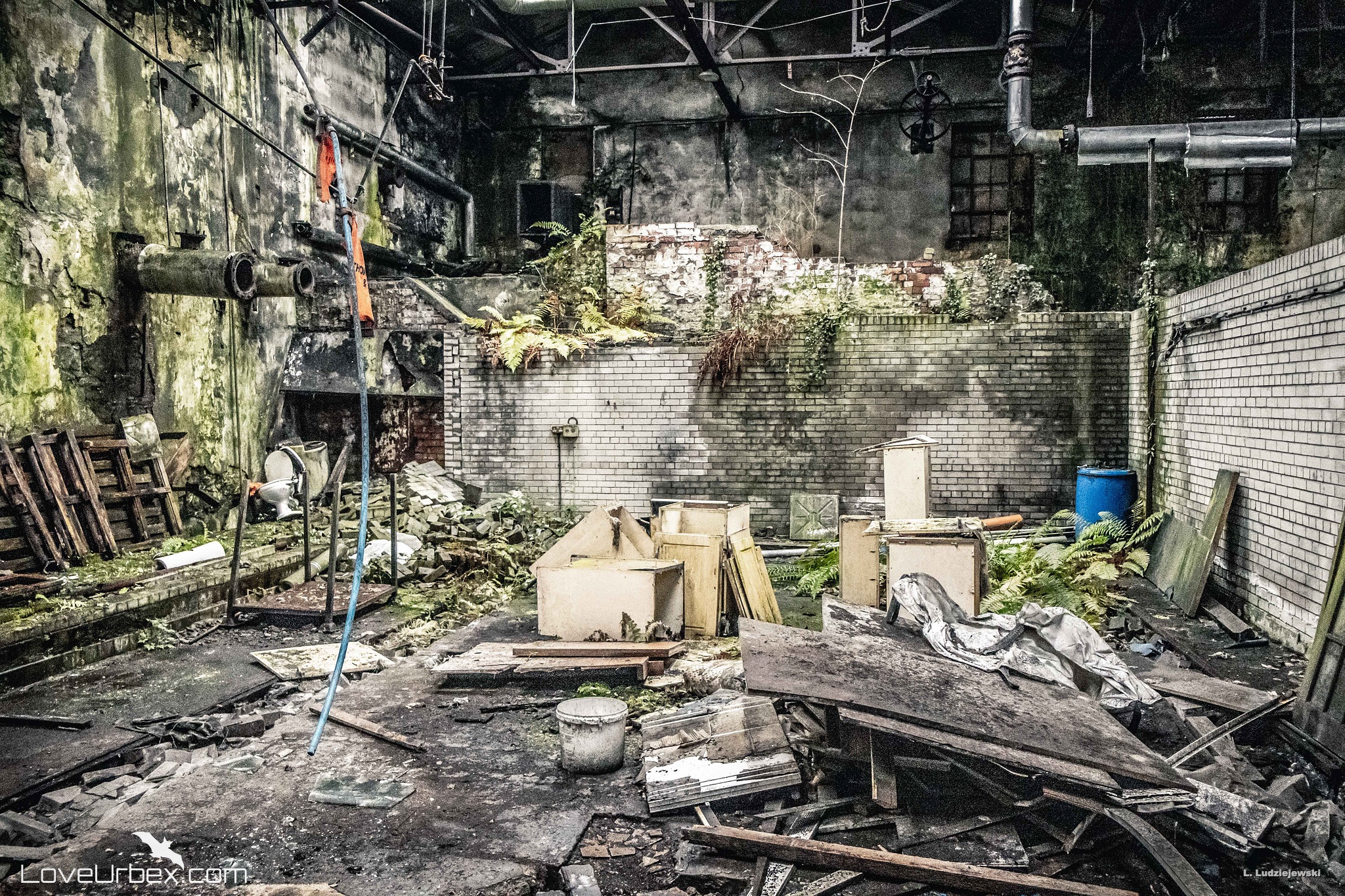
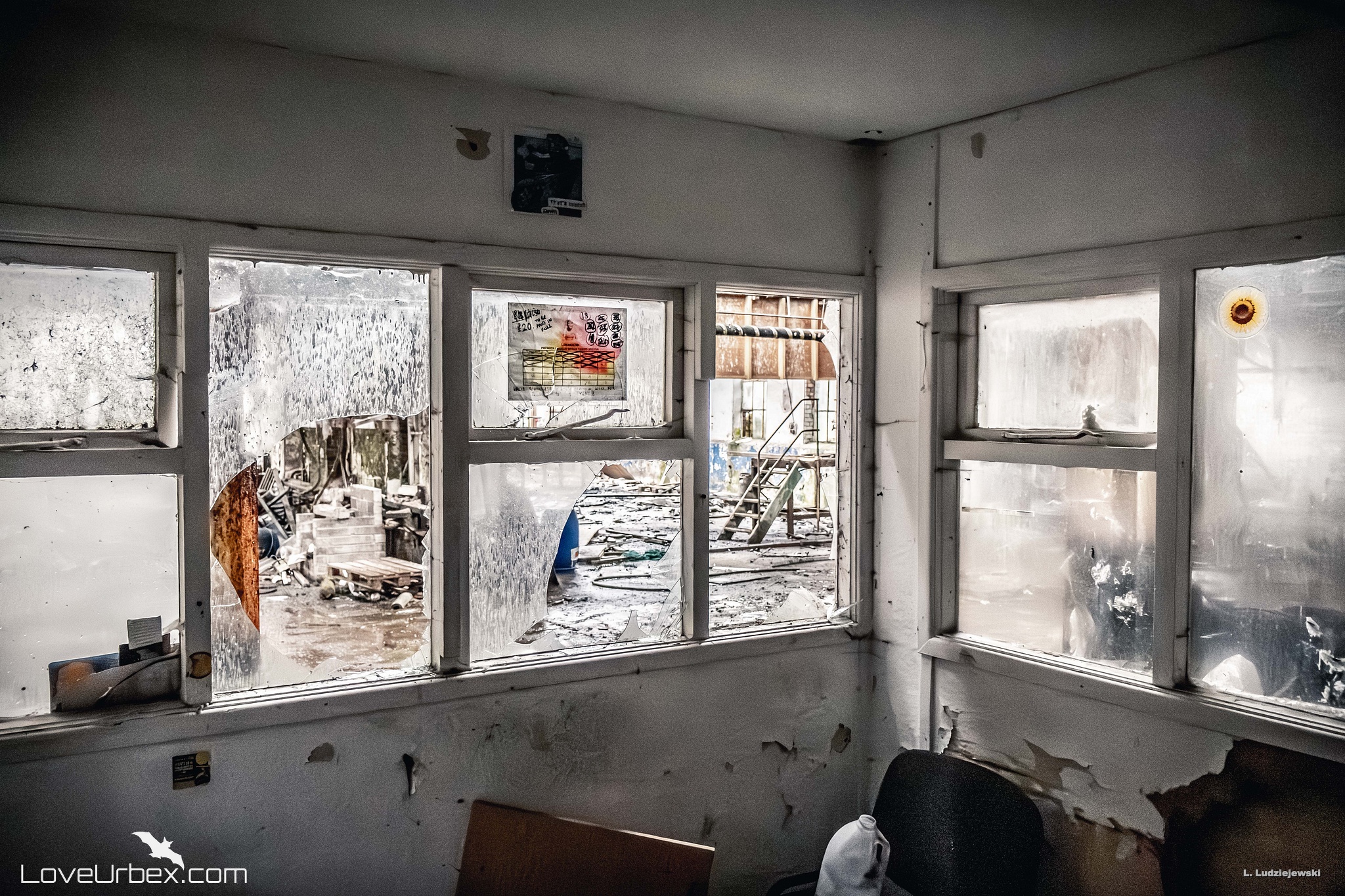
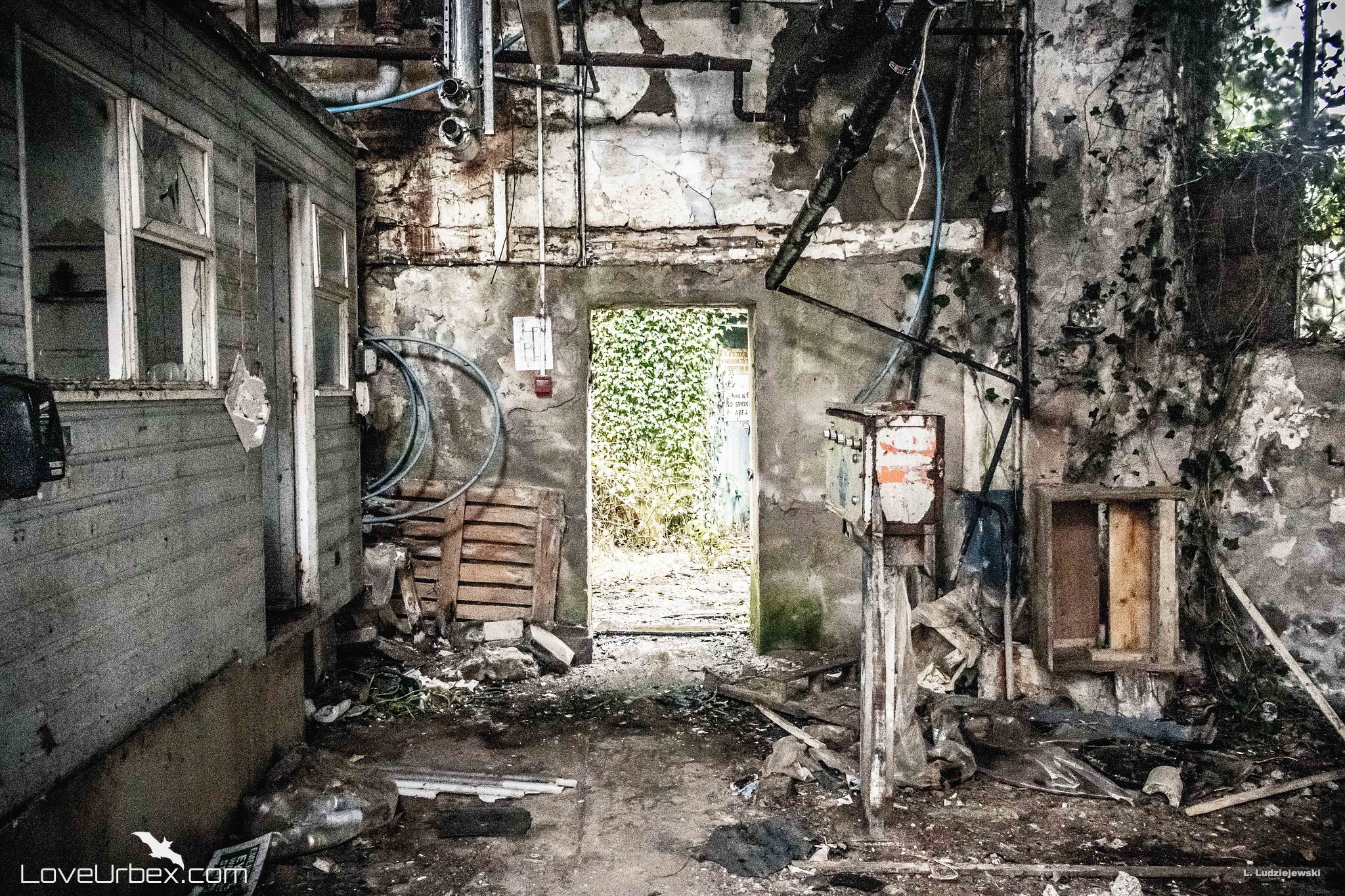
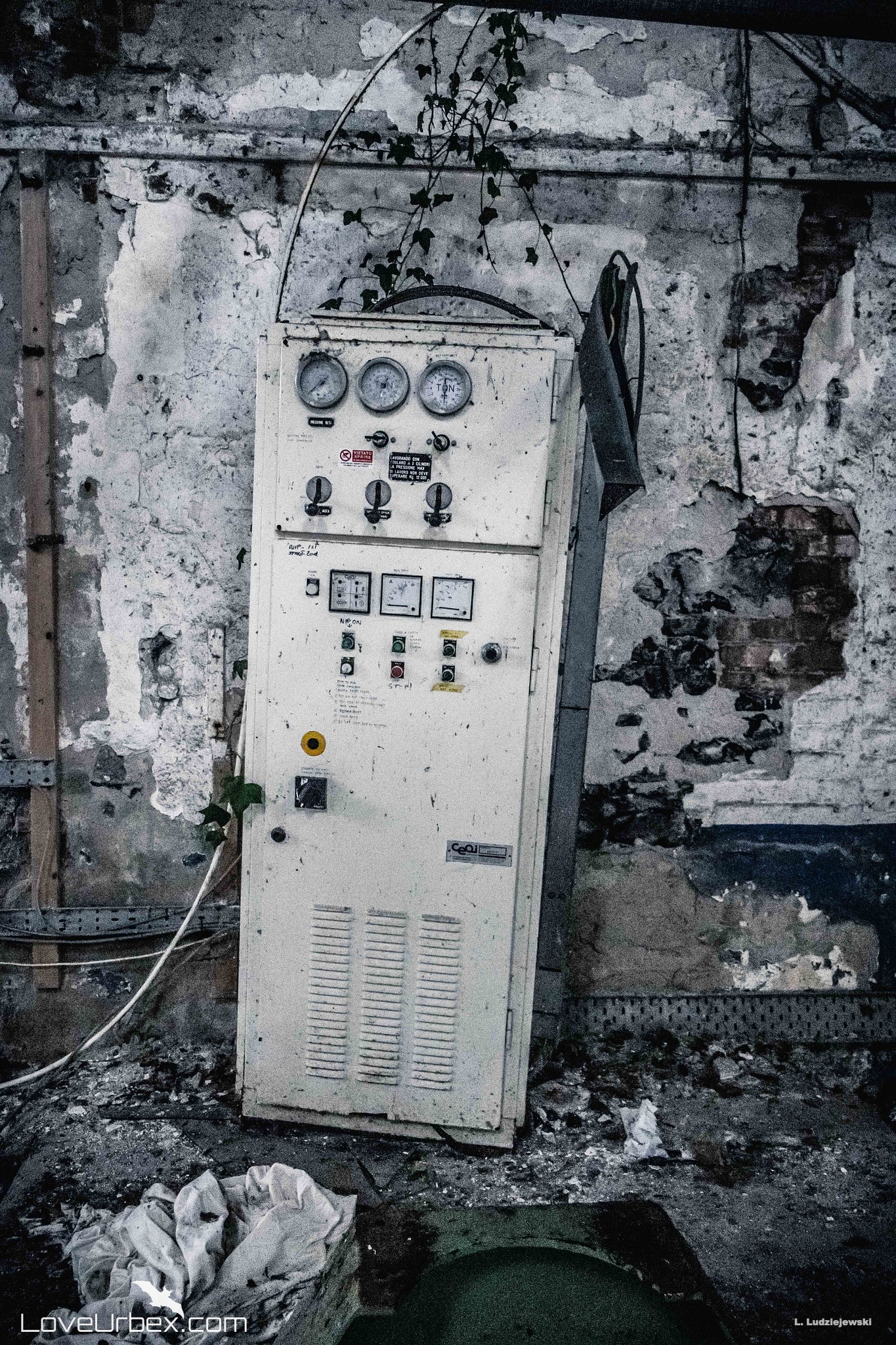
On my recent photographic exploration of the site with Robert from Urbex – Forgotten Ulster, I walked among these silent walls and weathered brick, capturing images of a place that once buzzed with life and industry. It was a bittersweet visit – beautiful in its decay, yet somber in what has been lost. Sadly, Beka from Abandoned NI couldn’t join us this time, but the experience still offered a powerful glimpse into the past and a stark reflection on how quickly history can slip away when it’s left to time and chance.